 📈 Trending
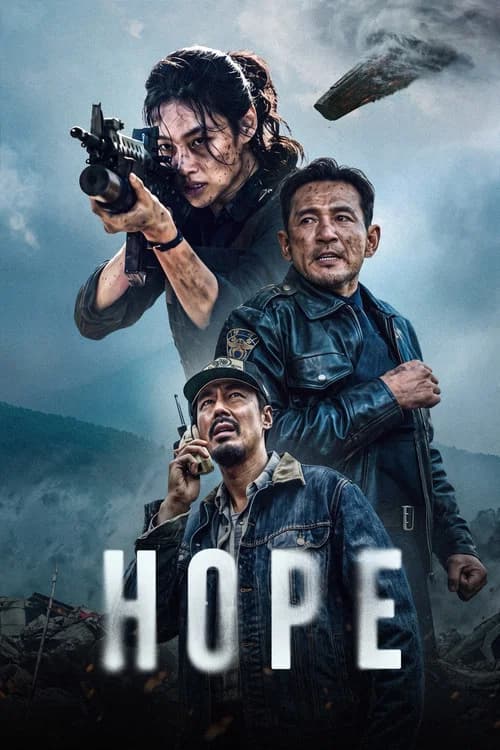
Hope
Science FictionJul 15, 2026
Hope
Details
Popularity · Search interest now
Based on TMDb activity
Incoming Editorial TeamVerified
Ancraophobia is an upcoming film shot on a Bolex camera, scheduled for release on April 25, 2026.
Ancraophobia is scheduled for release on April 25, 2026.
The film is structured around shots taken on a Bolex camera, each lasting the duration of a fully rewound motor, with a gust of wind entering at the end of each shot.
It was shot on a Bolex camera set on a tripod.
Ancraophobia is a documentary film scheduled for release on April 25, 2026. The title names a specific and relatively obscure fear: ancraophobia is the fear of wind, or of drafts. That word choice, borrowed directly as the film's title, is the first signal that this is a work organized around a particular sensory and psychological experience rather than a conventional subject-driven narrative.
The production methodology is the most distinctive thing known about this film, and it is worth sitting with carefully. The filmmakers shot on a Bolex — a spring-wound 16mm camera with a long history in experimental, documentary, and avant-garde cinema, favored for its mechanical independence from electrical power and its fixed, finite magazine capacity. Here the Bolex is placed on a tripod and allowed to run for exactly as long as its fully rewound motor will carry it. That duration, determined not by an editor's decision or a director's instinct but by the physical limits of a wound spring, becomes the structural unit of the film. Each shot lasts precisely as long as the machine will allow before it winds down. Then wind arrives.
The repetition embedded in that description — the rewinding, the running, the gust — suggests a film built on a loop or a series, with each iteration of the Bolex's full motor run functioning almost like a stanza. The camera becomes less an observational instrument and more a measuring device, marking intervals of time against which the wind's appearance can be registered. Whether the wind is being waited for, whether it arrives on schedule or as interruption, whether the film treats it as threat or relief or simply phenomenon — none of that is yet known. What is clear is that the formal system is unusually constrained and unusually transparent about its own constraints. The audience, if they know the production method, will watch each shot with an awareness of its impending end, and with an anticipation of what follows that end.
The Bolex's association with a certain tradition of filmmaking is worth noting. From the structural films of the 1960s and 1970s through to contemporary observational documentary, the camera has carried with it connotations of artisanal seriousness, of a filmmaker working in proximity to the physical facts of the medium. Shooting on a tripod, without apparent camera movement within each shot, doubles down on that stillness — the frame holds while the world, specifically the wind, moves through it. The tripod removes the filmmaker's body from the equation almost entirely during each take. What remains is the fixed rectangle of the frame, the countdown of the spring motor, and whatever the wind does.
Ancraophobia as a clinical term describes an anxiety response, an aversion so pronounced it constitutes a phobia. A documentary titled after that fear raises questions it has not yet publicly answered. Is the film's subject a person or people who experience ancraophobia? Is the title being used more loosely, to describe a mood or an atmosphere the film is trying to produce in the viewer — a creeping unease about something as ordinary and omnipresent as moving air? Or is the title ironic, the film itself an extended, patient contemplation of wind that amounts to the opposite of fear, a kind of enforced familiarity? The structured, mechanical approach to shooting — waiting out the motor's duration, receiving the wind — could be read as a kind of exposure therapy enacted through cinema, or simply as an aesthetic exercise in attentiveness to a phenomenon that usually passes unnoticed.
The film is in English, though a documentary structured around wind and a mechanical camera's motor duration may communicate as much through image and sound as through spoken language. How the audio is handled — whether wind is recorded naturalistically, manipulated, or used as the film's primary sonic event — remains an open question. Wind as a sound subject has its own complicated relationship with recording technology. Microphones are notoriously sensitive to it, and the challenge of capturing wind without distortion or the opposite, of allowing that distortion in deliberately, is a technical and aesthetic decision that will shape the film considerably.
At roughly 82 minutes or whatever runtime the shot-duration method produces — that runtime has not been published — the film will land in a documentary landscape that increasingly accommodates formally rigorous, structurally transparent work alongside more conventional journalistic or narrative-driven nonfiction. Festivals have made room for films that prioritize process and perception over story, and a work as legible in its method as this one appears to be can attract audiences who follow that tradition without needing a conventional subject hook.
The people most likely to seek this out are those already oriented toward experimental documentary and structural film, viewers who find the disclosure of a formal system not off-putting but generative. The ancraophobia framing may draw in a secondary audience curious about the phenomenology of fear, though how deeply the film engages with that clinical concept versus using it as a title-level provocation is precisely one of the things that remains to be seen.
📈 TrendingHope
Science FictionJul 15, 2026
Hope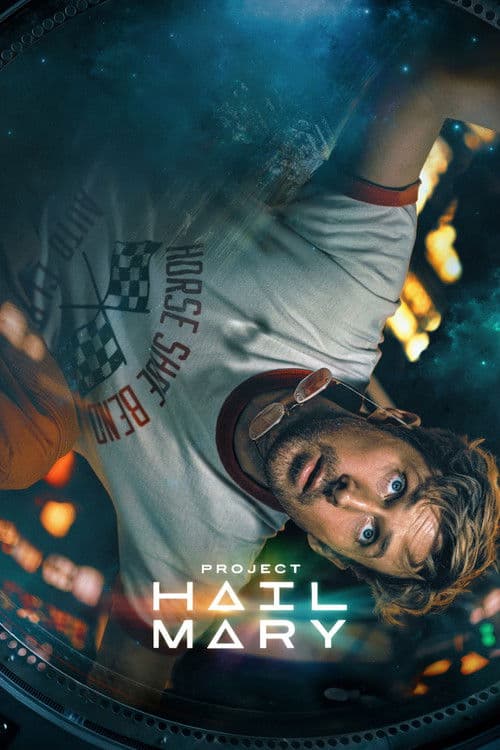 📈 Trending
Project Hail Mary
Science FictionAmericanMar 15, 2026
Project Hail Mary 🔥 Hot
Teenage Sex and Death at Camp Miasma
ComedyAug 6, 2026
Teenage Sex and Death at Camp Miasma ⭐ Popular
Backrooms
HorrorMay 27, 2026
Backrooms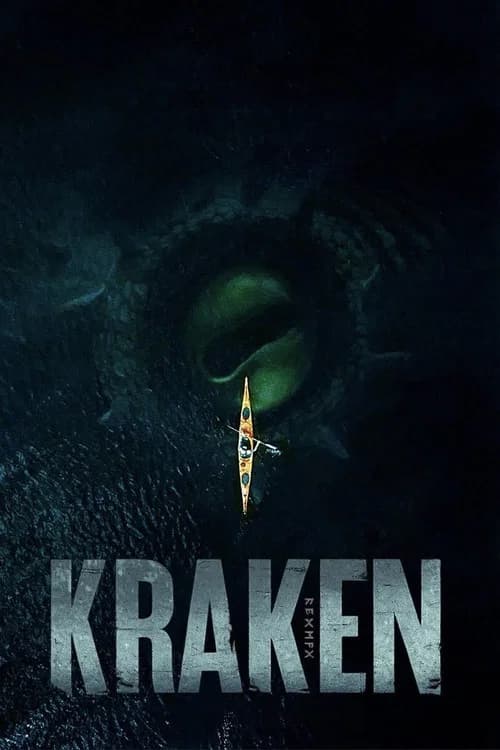
Kraken
HorrorFeb 6, 2026
Kraken
Bhooth Bangla
HorrorApr 16, 2026
Bhooth BanglaSign in to join the conversation.