







 🔥 Hot
Rick and Morty
AnimationAmericanDec 2, 2013
Rick and Morty
Details
Rating · Quality score from voters
Popularity · Search interest now
Based on TMDb activity
Incoming Editorial TeamVerified
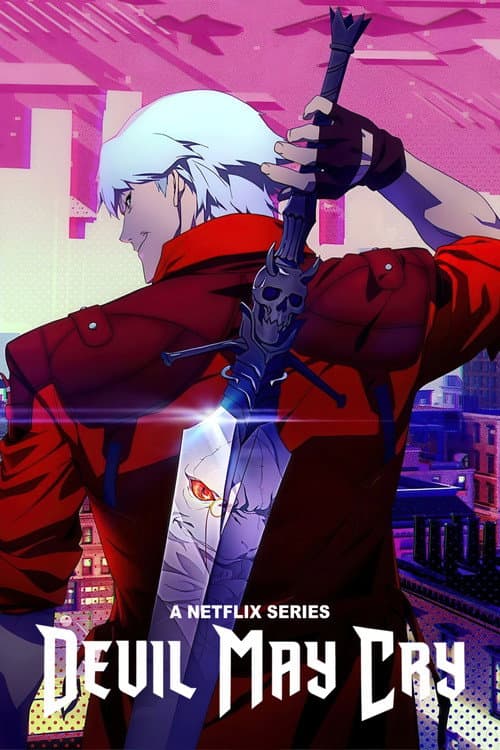
Devil May Cry is an animated action-adventure series produced by Capcom, premiering on Netflix on April 3, 2025. The series is set within the Devil May Cry franchise and follows a demon hunter navigating a conflict between good and evil.
Devil May Cry premieres on April 3, 2025. Both seasons are available from that date on Netflix and Netflix Standard with Ads.
Devil May Cry is available to stream on Netflix and Netflix Standard with Ads. No theatrical release has been announced.
Devil May Cry has 16 episodes across two seasons. Both seasons are available at launch on April 3, 2025.
Devil May Cry is an animated action-adventure series that also incorporates sci-fi and fantasy elements. It centers on a demon hunter caught in a conflict between good and evil.
Devil May Cry has two seasons, comprising 16 episodes in total. Both seasons are set to be available on Netflix from the April 3, 2025 premiere date.
Yes, Devil May Cry is produced by Capcom and is based on its long-running Devil May Cry video game franchise. The series adapts the franchise's central premise of a demon hunter battling forces of evil.
An animated adaptation of Capcom's long-running action game franchise Devil May Cry arrives on Netflix on April 3, 2025. The series spans two seasons and sixteen episodes in total, and is produced by a three-studio collaboration: Capcom, the Japanese game publisher that originated the property; Studio Mir, the South Korean animation house; and Adishankarbrand, the production outfit led by Adi Shankar, who has become closely associated with prestige animated adaptations of gaming IP. The show is presented in English and originates from the United States.
The source material has a particular standing in gaming culture. The Devil May Cry franchise, which Capcom launched in the early 2000s, built its reputation on stylized, high-difficulty action centered on Dante, a demon hunter of half-human, half-devil parentage who operates somewhere between mercenary and reluctant savior. The games are known less for narrative coherence than for kinetic excess — elaborate combat systems, operatic boss encounters, and a protagonist whose affect runs from wisecracking to brooding depending on which installment you pick up. Adapting that sensibility for a serialized animated format is a non-trivial problem, and it's one that the attached studios have varying experience addressing.
Studio Mir's portfolio includes animation work on The Legend of Korra and several Marvel animated projects, suggesting a facility with action choreography at a relatively high production level. Adi Shankar's involvement is the more pointed signal for anyone who has followed the recent wave of game-to-animation projects on streaming platforms. His name is most prominently associated with the Castlevania animated series on Netflix, which ran for four seasons and earned considerable attention for taking its source material seriously as dramatic fiction rather than as a licensing vehicle. Whether Devil May Cry pursues a comparable approach — dense lore, morally complicated characters, genuine narrative ambition — or settles into something more episodic and action-forward is not something the available information answers.
What the metadata does confirm is that the project has already been structured as a two-season, sixteen-episode release, which implies a degree of planning beyond a single pilot order. That kind of pre-commitment from Netflix suggests the platform has some confidence in the property's audience reach, a reasonable assumption given the franchise's installed fanbase. The TMDB vote average sitting above 8.1 from roughly 360 votes indicates early audience engagement that skews positive, though the sample size is modest enough that it describes enthusiasm among those already paying attention rather than any broader reception.
The practical questions that the available promotional materials leave unanswered are, in some ways, the most interesting ones. The franchise's protagonist, Dante, is a character defined almost entirely by the interactive context of the games — his appeal is bound up in player agency, in controlling the style meter, in landing perfect parries. Translating that into a passive viewing experience requires writers and directors to find what, exactly, makes him compelling to watch rather than to play. The logline's gesture toward moral ambiguity — "the lines are blurry as hell," in its own phrasing — at least hints that the series may be reaching for something beyond a straightforward hero narrative, but how that ambiguity is dramatized across sixteen episodes is entirely unknown.
The franchise also carries a sprawling, somewhat internally inconsistent mythology across its five main game entries and various spin-offs. An animated series has to make choices about which version of the lore it's drawing from, which characters it foregrounds, and how much prior knowledge it assumes in its audience. None of those choices are visible yet, which means viewers approaching this without deep franchise familiarity will be taking something of a blind step, while longtime fans will be watching closely for how the adaptation positions itself relative to the games' canon.
The involvement of three distinct production entities — a Japanese publisher, a Korean animation studio, and an American production brand — also raises questions about creative voice and consistency. Multi-party productions can produce friction that shows up in tonal inconsistency or uneven pacing, or they can function smoothly as complementary specializations. Studio Mir handles the animation; Capcom holds the IP and presumably exercises some approval over how its characters and world are rendered; Adishankarbrand appears to be the creative organizing force on the narrative side. How that triangle resolves in practice will be one of the more structurally interesting things to observe when the episodes are actually available.
The audience most likely to seek this out immediately falls into a few distinct groups. Fans of the game series who have been waiting for a screen adaptation with any production credibility will come first, followed closely by viewers who followed Castlevania and are curious whether the Shankar-adjacent pipeline can produce something comparable in a different franchise. Animation audiences on Netflix who have developed an appetite for action-oriented genre work in this format make up a third constituency. Beyond those groups, the series' accessibility to general audiences — people with no particular attachment to Devil May Cry as games — will depend almost entirely on what the first episode does with its premise, a question that April 3 will answer on its own terms.
🔥 HotRick and Morty
AnimationAmericanDec 2, 2013
Rick and Morty ⬆️ Rising
Re:ZERO -Starting Life in Another World-
AnimationJapaneseApr 4, 2016
Re:ZERO -Starting Life in Another World-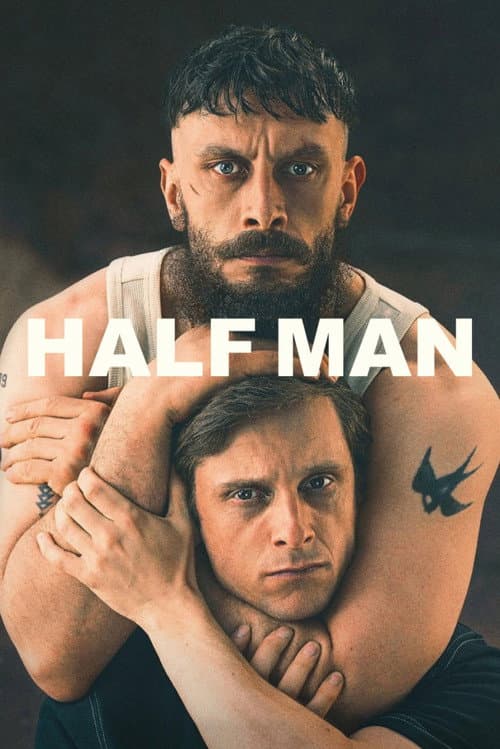
Half Man
DramaBritishApr 28, 2026
Half Man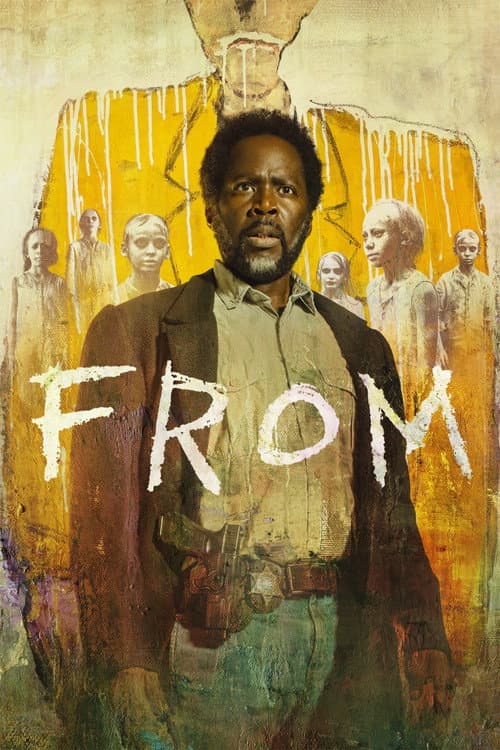 ⬆️ Rising
FROM
MysteryAmericanFeb 20, 2022
FROM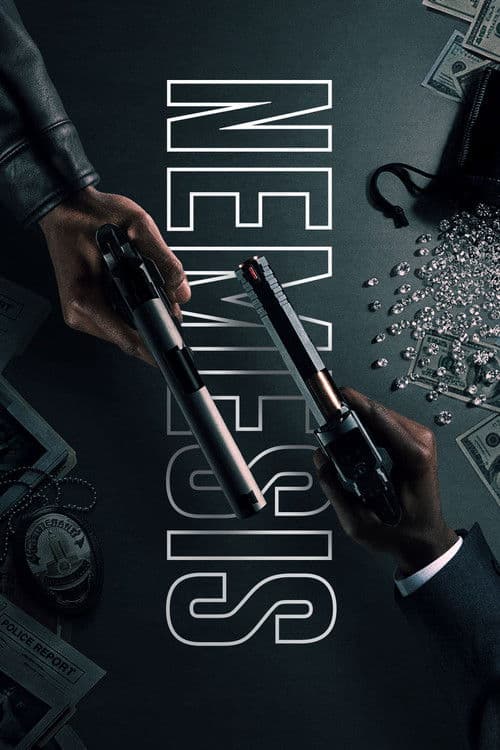 📈 Trending
Nemesis
Action & AdventureAmericanMay 14, 2026
Nemesis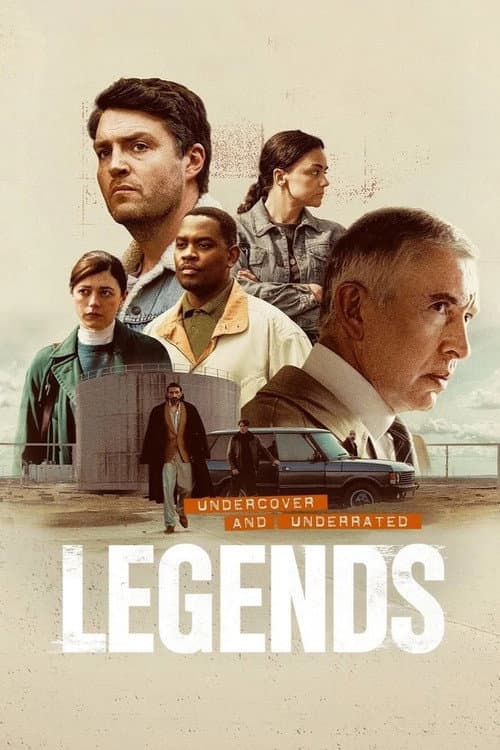
Legends
Action & AdventureBritishMay 7, 2026
LegendsSign in to join the conversation.