





Smoking Behind the Supermarket with You
AnimationJapaneseJul 9, 2026
Smoking Behind the Supermarket with You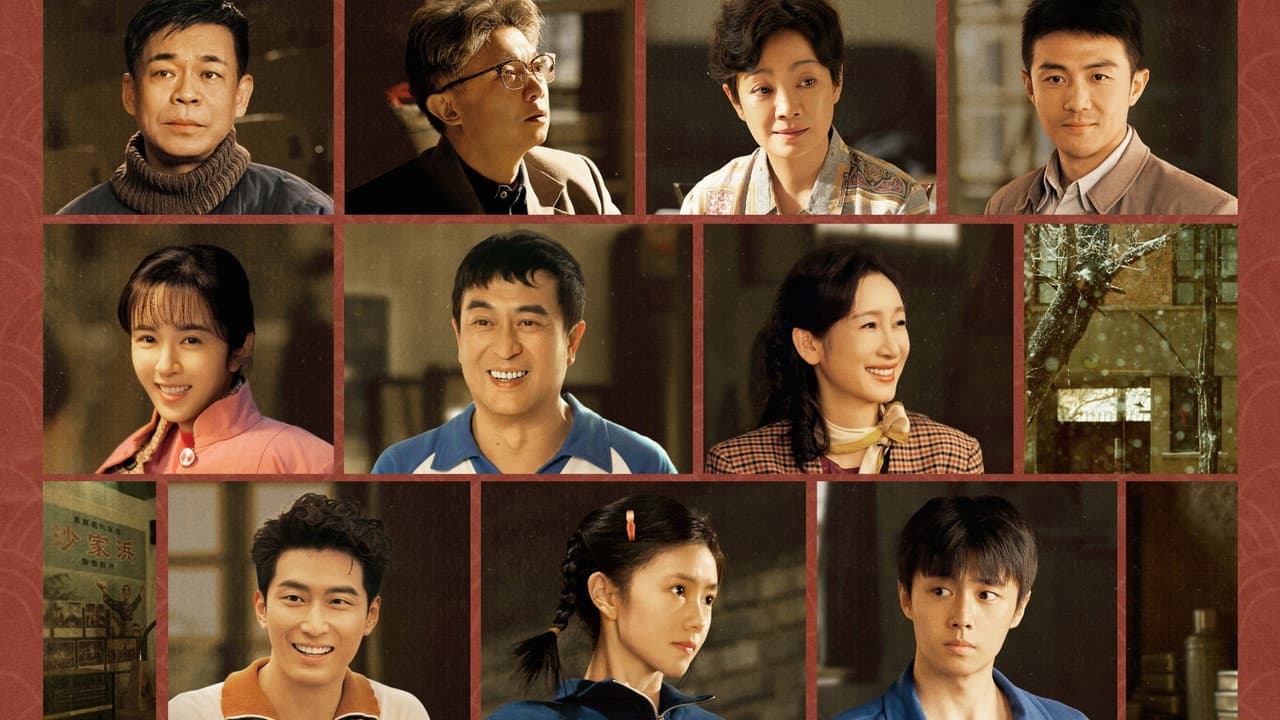
Details
Rating · Quality score from voters
Popularity · Search interest now
Based on TMDb activity
Not currently available for streaming or purchase.
Links may earn Incoming a commission at no extra cost to you.
Incoming Editorial TeamVerified
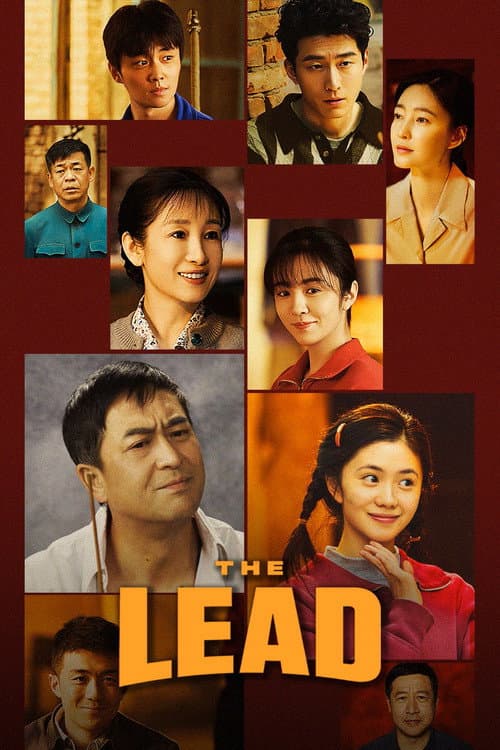
The Lead (主角) is a Chinese-language television series based on a story following Yi Qin'e, a woman brought to a cultural troupe to learn Qinqiang Opera, whose life encompasses both artistic achievement and deep personal loneliness. It is scheduled to release on May 10, 2026.
The Lead is scheduled to release on May 10, 2026.
The series follows Yi Qin'e, a woman introduced to a cultural troupe by her uncle to learn Qinqiang Opera, as her life unfolds through artistic accomplishment and profound personal loneliness.
Qinqiang Opera is a traditional form of Chinese theater associated with the Shaanxi region, and it forms the central artistic backdrop of the series.
The original Chinese title is 主角.
A Chinese drama series called The Lead — subtitled in Chinese as 主角, meaning "The Protagonist" — is scheduled to premiere on May 10, 2026. The show is a production of China Central Television and 贰零壹陆影视, running to 48 episodes across a single season. Its story centers on Yi Qin'e, a young woman brought to a cultural troupe by her uncle, Hu Sanyuan, to learn Qinqiang Opera, a form of traditional Chinese theatre rooted in the Shaanxi and Gansu regions. From that starting point, the series traces the arc of her life: the artistic heights she reaches, and the particular loneliness that apparently accompanies them.
Qinqiang Opera is not a form of performance that appears often at the center of long-form Chinese television drama, which makes the subject matter here somewhat distinctive. The genre has deep roots in northwest China and is considered one of the oldest still-practiced forms of traditional Chinese theatre, characterized by bold, emotionally intense vocal delivery and elaborate staging conventions. Placing a protagonist's entire life story within that world — as both setting and metaphor — gives the series an unusually specific cultural texture. The subtitle 主角, which translates literally as "the lead role" or "the protagonist," doubles as a comment on Yi Qin'e's relationship to her own life: she is the lead performer onstage, but the series seems interested in what that kind of singular public identity costs in private.
The framing of the synopsis is worth noting. It does not describe Yi Qin'e as triumphant or celebrated in the conventional rags-to-riches sense. The phrase used is "glorious artistic accomplishments" alongside "a profound sense of loneliness beyond ordinary people's comprehension." That pairing — achievement and isolation presented as inseparable — suggests the series is less interested in the spectacle of success than in its interior weight. Whether the loneliness is framed as the price of artistic devotion, as a consequence of the social structures around traditional performance troupes, or as something more personal to Yi Qin'e specifically, is not yet clear from what has been disclosed. The synopsis offers a shape without filling it in.
The involvement of China Central Television as a producing entity places the show within a recognizable tradition of large-scale, historically and culturally inflected dramas that CCTV has long been associated with — series that tend to span generations and treat national or regional heritage as a backdrop worth taking seriously. A 48-episode run is consistent with that tradition, allowing the kind of longitudinal storytelling that follows a character from youth through maturity and decline, or at least through several distinct phases of a life. Whether the series is adapted from an existing literary source — a novel, for example, or a stage work — has not been indicated in the available information, so that question remains open.
What the available material does not address is the scope of the historical period covered. Qinqiang Opera troupes and their cultural position in northwest China changed considerably over the course of the twentieth century, particularly through the mid-century decades and afterward, but the synopsis makes no explicit reference to any historical era or time frame. Yi Qin'e's story could be set across a narrow window or a very long one. Similarly, the role of Hu Sanyuan — her uncle, who brings her into the troupe — is introduced and then dropped from the description. Whether he remains a significant figure across the series, or serves primarily as the catalyst for the opening, is unaddressed. The dynamic between a young woman placed into an artistic world by a male relative and the question of what she then does with that circumstance — whether she inherits his worldview, surpasses it, or rejects it — is something the synopsis gestures at without clarifying.
The loneliness the synopsis highlights is also, implicitly, a question about genre. Chinese drama of this length and cultural register can trend toward melodrama, toward biography, or toward something more contemplative. The emphasis on what Yi Qin'e experiences that is "beyond ordinary people's comprehension" implies an interest in interiority and in the gap between public persona and private experience — themes that tend to require careful writing and performance to land without tipping into sentimentality. Whether the series achieves that balance is, naturally, something only the episodes themselves will determine.
The series will likely draw viewers with an existing interest in traditional Chinese performance culture, particularly those familiar with or curious about Qinqiang Opera specifically. Beyond that audience, the 48-episode structure and the generational scope implied by the synopsis position it for viewers who favor long, character-driven narratives following a single life across time — a format with consistent appeal in Chinese television and with a growing audience internationally among viewers who follow Chinese-language drama. The production's CCTV pedigree signals a certain level of resource and seriousness of intent, and the subject matter is specific enough to be unusual without being inaccessible to viewers coming to Qinqiang Opera fresh.
Smoking Behind the Supermarket with You
AnimationJapaneseJul 9, 2026
Smoking Behind the Supermarket with You
Off Campus
DramaAmericanMay 13, 2026
Off Campus 📈 Trending
Spider-Noir
CrimeAmericanMay 25, 2026
Spider-Noir 🔥 Hot
Euphoria
DramaAmericanJun 16, 2019
Euphoria ⭐ Popular
Outlander
DramaAmericanAug 9, 2014
Outlander ⭐ Popular
Star City
DramaAmericanMay 28, 2026
Star CitySign in to join the conversation.