Details
- Language
- English
- Country
- US
- Studio
- Tall Ship Productions
- Seasons
- 8 · 101 eps
- TMDb Rating
- 8.2 (2.8k votes)
- Theme
- survivaltime travel
- For
- adult
- Format
- episodic
Rating · Quality score from voters
TMDb
8.2/10
IMDb
8.3/10
Popularity · Search interest now
Popular
116.3
Based on TMDb activity
Starring
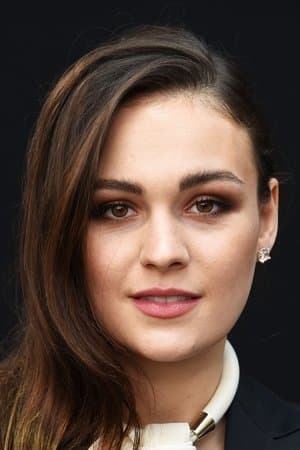
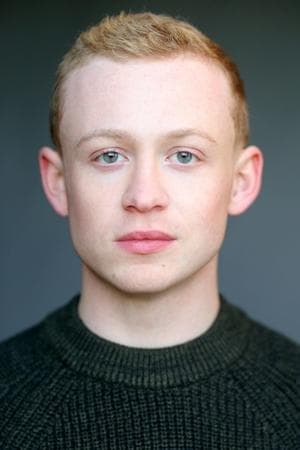
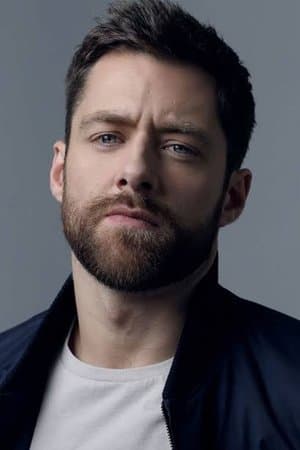
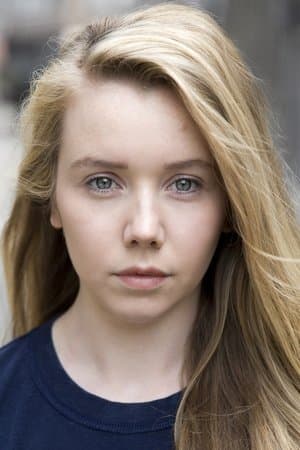
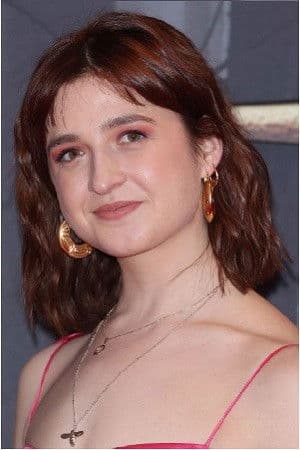
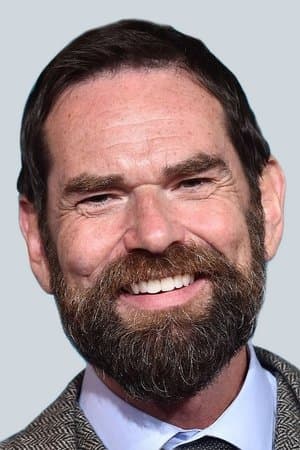
Where to watch
Links may earn Incoming a commission at no extra cost to you. Streaming data via JustWatch — may not reflect today's catalog.
Incoming Editorial TeamVerified
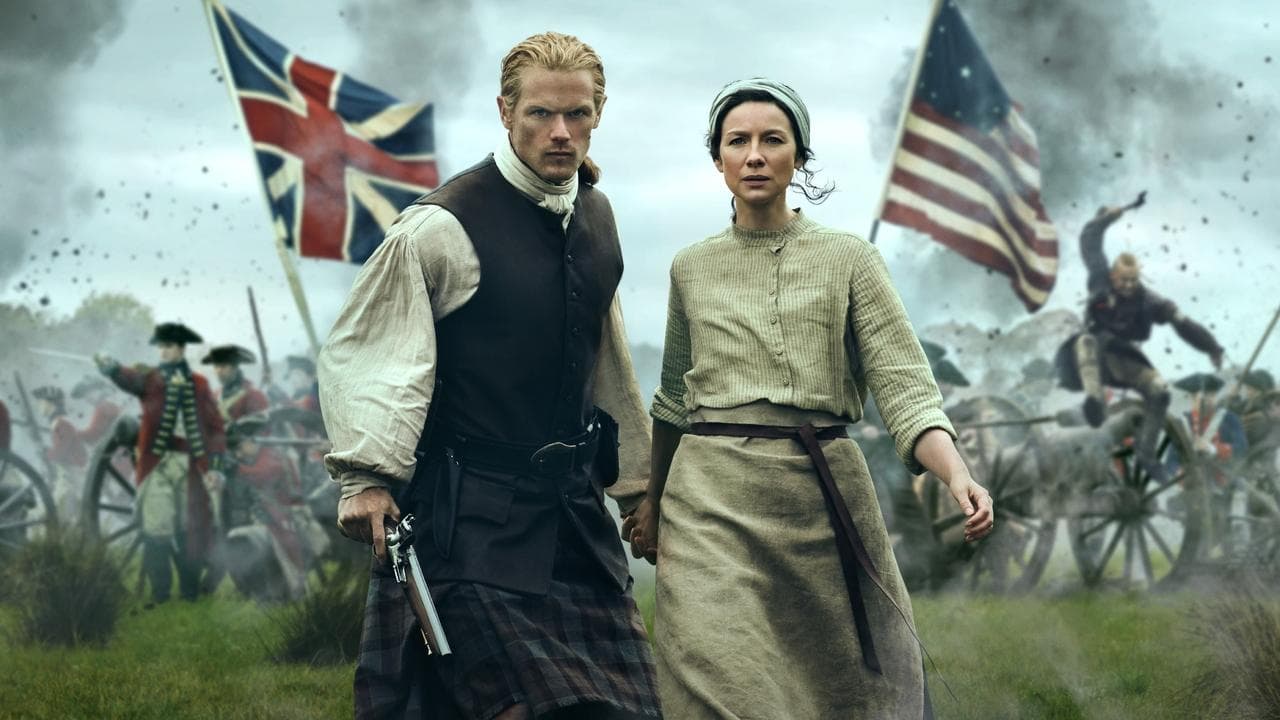
Outlander is a drama and sci-fi-fantasy series produced by Tall Ship Productions, premiering on August 9, 2014. The show follows Claire Randall, a 1945 combat nurse transported back in time to 1743 Scotland, where she navigates survival, marriage, and divided loyalties across two eras.
Trailer
Gallery (21)
Episodes
✓ Previously aired
Key features
- ·Drama and sci-fi-fantasy genres
- ·8 seasons, 101 episodes total
- ·Produced by Tall Ship Productions
- ·Streams on Starz, Netflix, and Starz channel apps
- ·Available for purchase on Amazon Video, Apple TV, Google Play
- ·Time-travel narrative set between 1945 and 1743 Scotland
FAQ
When does Outlander premiere?
Outlander premiered on August 9, 2014, on Starz. The series has run for 8 seasons, accumulating 101 episodes in total.
Where can I watch Outlander?
Outlander is available to stream on Starz, the Starz Apple TV Channel, the Starz Roku Premium Channel, and Netflix. It can also be purchased per episode or by season on Amazon Video, Apple TV Store, and Google Play Movies.
How many episodes does Outlander have?
Outlander has 101 episodes across 8 seasons. The series premiered in 2014 and is produced by Tall Ship Productions.
What genre is Outlander?
Outlander is classified as drama and sci-fi-fantasy. The series combines a time-travel premise with period historical settings, following a 1945 woman navigating life in 1743 Scotland.
How many seasons does Outlander have?
Outlander has 8 seasons comprising 101 episodes in total, streaming primarily on Starz and Netflix.
Who are the main characters in Outlander?
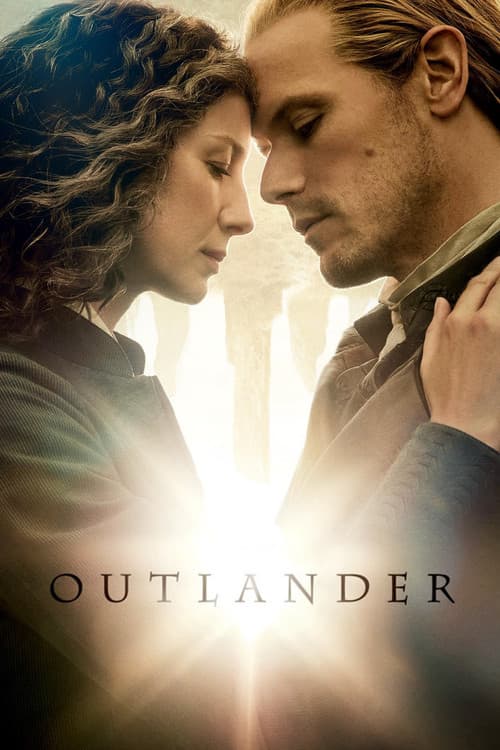
The central character is Claire Randall, a married combat nurse from 1945 who is transported back in time to 1743, and Jamie, a Scottish warrior she is compelled to marry. Their relationship forms the dramatic core of the series.
About this release
Outlander, the drama series produced by Tall Ship Productions, Left Bank Pictures, and Sony Pictures Television, premiered on August 9, 2014. American in origin and released through Starz, it arrived as a project notable for straddling two genres that television had rarely asked to coexist quite so explicitly: the period historical drama, with its elaborate costuming and political texture, and the science-fiction or fantasy tradition of temporal displacement. The combination is less eccentric than it sounds — time-travel stories have a long literary pedigree — but the specific register Outlander chose, romantic and emotionally interior rather than technological or adventure-driven, marked it as something distinct from what either genre had been producing at the time.
The premise centers on Claire Randall, a British combat nurse whose wartime service has just ended in 1945. She is traveling with her husband when she passes through an ancient standing stone formation in the Scottish Highlands and is pulled backward in time roughly two centuries, arriving in 1743. The 18th-century Scotland she finds herself in is not a picturesque backdrop but an active danger — politically volatile, physically brutal, and entirely indifferent to whatever life she left behind. The version of Scotland she has landed in sits in the years before the Jacobite uprisings fully destabilize the region, and the English military presence she encounters is hostile in ways her nursing credentials cannot negotiate around. She is, from virtually the first moments of her displacement, in need of protection she has no framework for accepting.
That protection arrives in the form of Jamie Fraser, described as a young Scottish warrior whose bearing tends toward the chivalric. Claire, who arrived in the past already married to Frank Randall, finds herself compelled — partly by circumstance and partly by something harder to categorize — into a marriage with Jamie. The dramatic engine the show is building from the outset is the tension between those two attachments: Frank, the husband she left in a future she has no clear path back to, and Jamie, the man she is bound to in the world where she actually lives now. The show is not subtle about framing this as a genuinely torn situation rather than a choice with an obvious answer. Claire's grief for her prior life and her growing feeling for Jamie are presented as compatible rather than contradictory, which is a more psychologically complicated position than the genre usually holds.
What is structurally unusual about Outlander, from a production standpoint, is the scope it eventually accumulated. The series ran for eight seasons and 101 episodes — a total that places it well beyond the typical lifespan of prestige cable drama and suggests that whatever the show established in its first season held a substantial enough audience to sustain nearly a decade of storytelling. The production involved three distinct companies across its run, and the volume of material that followed this premiere episode implies that the core relationships and the time-travel premise were treated as genuinely elastic, capable of carrying narrative weight across multiple story arcs rather than burning out quickly. Whether a show that begins with so concentrated a romantic conflict — two men, two centuries — can maintain that tension or has to evolve into something else entirely is among the more interesting structural questions the first episode raises without answering.
The available streaming footprint, as of the show's complete run, is broad: it streams on Starz and its affiliated channels across platforms including Apple TV, Roku, and Amazon, and is also available on Netflix, including Netflix's ad-supported tier, as well as on Philo and Spectrum On Demand. Purchase options exist on Amazon Video, Apple TV Store, and Google Play Movies. The wide availability suggests the series has moved into a second life as catalog television, findable by viewers who missed its original run and are now working backward.
Some aspects of how the series develops remain genuinely opaque from the premiere alone. The mechanics of the time travel — why Claire was displaced, whether it can be controlled or repeated, and what the internal logic of the show's approach to historical consequence will be — are left unresolved in the opening. The same is true of the political geography: 1743 Scotland is a specific historical moment, and how closely the show tracks actual Jacobite history, and what liberties it takes, will become clearer across the season rather than in a single episode. Similarly, Frank Randall's role in the emotional architecture of the series is difficult to assess from a description of the premise alone. He exists in another time, which would seem to remove him as a present dramatic force, and yet the show's basic setup treats the marriage to Jamie as one half of a genuine dilemma rather than an obvious solution, which implies Frank's weight in Claire's interior life persists in some structural way the premiere has to establish without being able to dramatize directly.
The audience most likely to seek out this premiere is one that has an appetite for historical drama with strong central performances and isn't put off by a romantic plot that is taken seriously on its own terms rather than treated as subplot. The genre classification as science fiction or fantasy is accurate but somewhat misleading — viewers expecting the speculative elements to dominate the texture of the show may find it functions more as emotional realism set against a fantastical premise, where the time travel is the inciting condition rather than the ongoing subject.
Comments
Sign in to join the conversation.
Loading…