
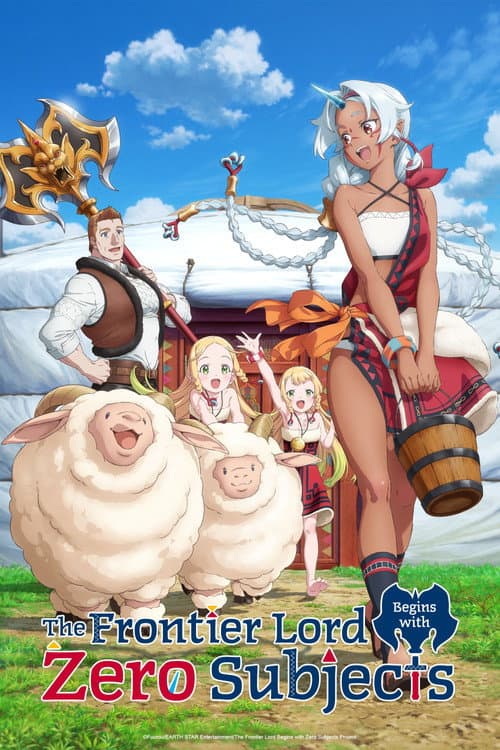
The Frontier Lord Begins with Zero Subjects
ComedyJapaneseJul 10, 2026
The Frontier Lord Begins with Zero Subjects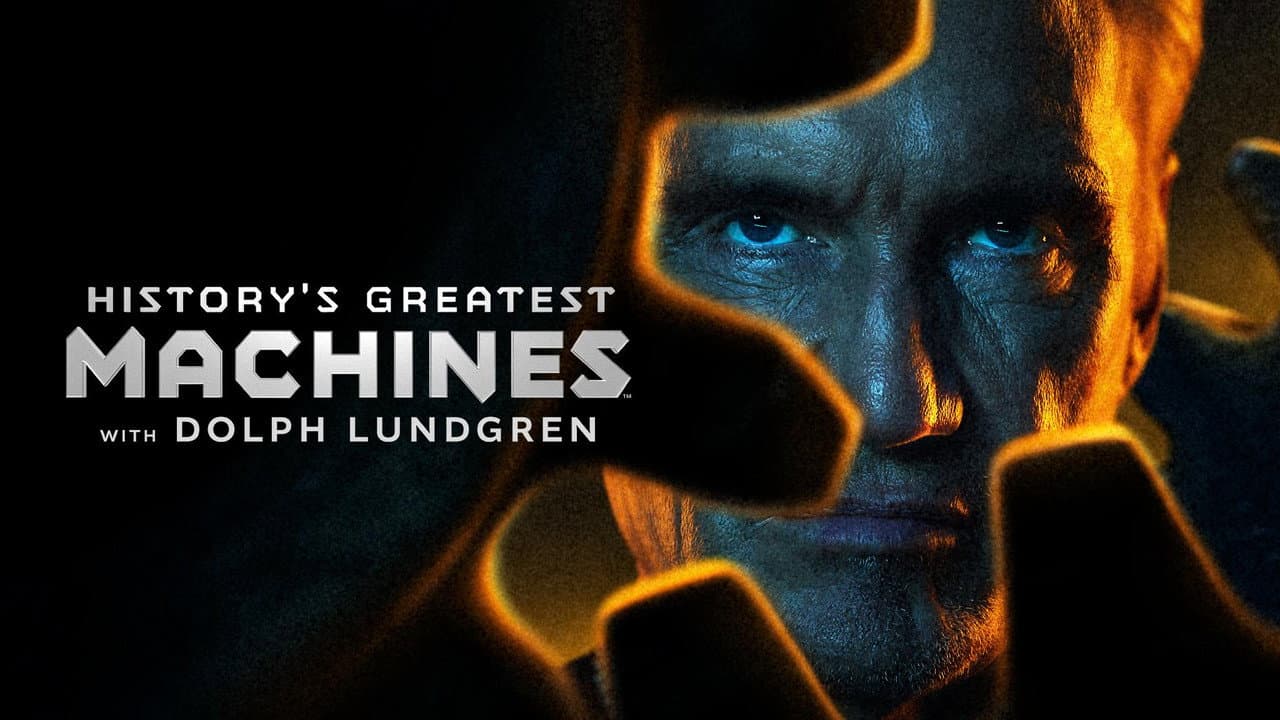
 Hot
Details
Popularity · Search interest now
Based on TMDb activity
Not currently available for streaming or purchase.
Links may earn Incoming a commission at no extra cost to you.
Incoming Editorial TeamVerified
History's Greatest Machines with Dolph Lundgren is an upcoming television series hosted by Dolph Lundgren that examines the historical impact of significant machines, including the printing press, the Ford Model T, and early personal computers. It is scheduled to release on June 1, 2026.
The series is scheduled to premiere on June 1, 2026.
The series is hosted by Dolph Lundgren.
The series covers machines including the printing press, the Ford Model T, and early personal computers.
History's Greatest Machines with Dolph Lundgren is an eight-episode documentary series produced by Superluna Studios and 3BMG, scheduled to premiere on June 1, 2026. The show is a US production, shot in English, and takes as its subject the mechanical and technological inventions that have reshaped human civilization — among them the printing press, the Ford Model T, and early personal computers.
The presence of Dolph Lundgren as the series' central figure is, to put it mildly, an unusual casting choice for a history documentary, and it is almost certainly the detail most viewers will notice first. Lundgren is known primarily as an action film actor, but he also holds a degree in chemical engineering and has a longstanding public interest in science and technology — context that makes his role here somewhat less arbitrary than it might initially appear. Whether he functions as a narrator, an on-screen host traveling to relevant sites, or something closer to a participant-interviewer is not specified in the available production information, but his name appears in the title itself, which signals that his involvement is more than incidental.
The three inventions named in the premise — the printing press, the Model T, and early personal computers — span roughly five centuries of technological development and represent very different categories of machine. The printing press, typically associated with Gutenberg's mid-fifteenth-century design, is a mechanical device for the mass reproduction of text; its historical significance lies primarily in what it enabled socially and intellectually rather than in its engineering complexity. The Model T, introduced by Ford in 1908, is significant for the industrial system built around it as much as for the vehicle itself — the assembly line and the reorganization of manufacturing labor being inseparable from the car's historical weight. Early personal computers, a category that encompasses machines from the mid-1970s through the 1980s, represent a third kind of transformation, one defined less by a single invention than by a shift in who had access to computational power. That these three examples were selected from a presumably longer list of candidates across eight episodes raises an immediate question: what other machines fill the remaining slots, and by what logic were they chosen? The show's title promises "history's greatest," which implies a ranking or at least a curatorial argument, but nothing in the available information explains how that argument is structured or who made it.
Eight episodes is a conventional length for a documentary series of this type, allowing for a degree of depth without demanding the sustained audience commitment of a longer run. Whether each episode is devoted to a single machine or whether the series groups inventions thematically or chronologically is unknown. The production involves two studios — Superluna Studios and 3BMG — both of which are US-based, but neither has a dominant public profile that would immediately signal a house style or a particular approach to historical documentary filmmaking.
The genre itself has a long television tradition. Machines and technology have been the subject of documentary series since at least the broadcast era, and the format of a recognizable presenter guiding viewers through historical objects and their consequences is well established. What distinguishes one entry in this tradition from another tends to be the quality of archival material assembled, the range and credibility of experts consulted, and the degree to which the series resists reducing complex historical causality to simple invention-changes-everything narratives. The printing press, for example, has been the subject of considerable historical revisionism — scholars have debated extensively how much credit any single technology deserves for the Reformation, the Scientific Revolution, or the spread of literacy — and a documentary that presents the press as straightforwardly revolutionary without acknowledging that complexity would be saying something rather different than the historical record supports. The same caution applies to the Model T and to personal computers, both of which sit inside contested histories of credit, labor, and access.
None of that complexity is foreclosed by the available information — it simply remains unknown how the series handles it. The title's framing ("greatest") does suggest a somewhat celebratory posture, but that reading may be ungenerous given how little is known about the show's actual tone and editorial choices.
What is also absent from the available information is any indication of which platform or network will carry the series. That gap matters practically for potential viewers trying to plan ahead, and it may also matter contextually — a series released on a general-interest streaming platform reaches a different audience and operates under different constraints than one airing on a cable channel with an established science or history brand.
The audience most likely to seek this out divides roughly into two groups: viewers with a general interest in the history of technology who are attracted by the subject matter, and those who follow Lundgren's career and are curious about his work outside the action genre. Whether the series succeeds in holding both groups — and whether Lundgren's presence adds anything beyond name recognition to a form that has historically leaned on subject-matter expertise — are the questions that will only be answerable after June 1, 2026.
The Frontier Lord Begins with Zero Subjects
ComedyJapaneseJul 10, 2026
The Frontier Lord Begins with Zero Subjects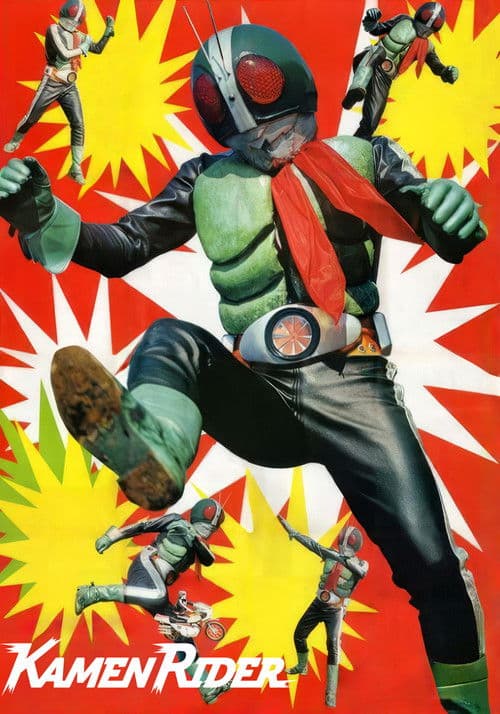 📈 Trending
Kamen Rider
Action & AdventureJapaneseApr 3, 1971
Kamen Rider
Off Campus
DramaAmericanMay 13, 2026
Off Campus 🔥 Hot
Euphoria
DramaAmericanJun 16, 2019
Euphoria ⭐ Popular
Outlander
DramaAmericanAug 9, 2014
Outlander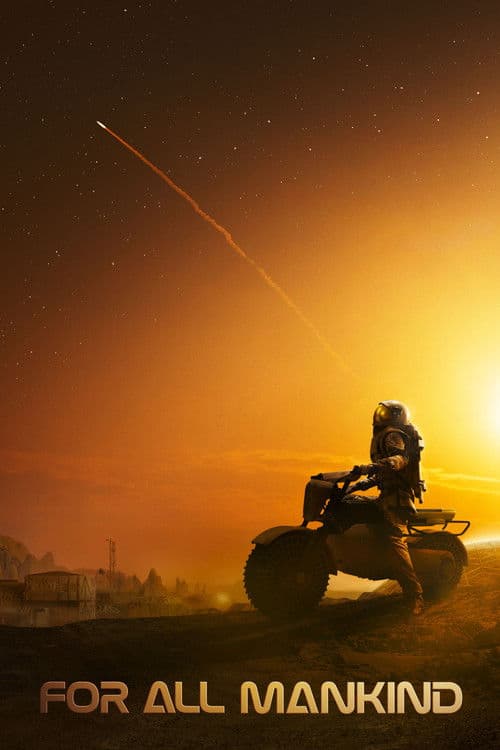
For All Mankind
DramaAmericanNov 1, 2019
For All MankindSign in to join the conversation.