






 🔥 Hot
Rick and Morty
AnimationAmericanDec 2, 2013
Rick and Morty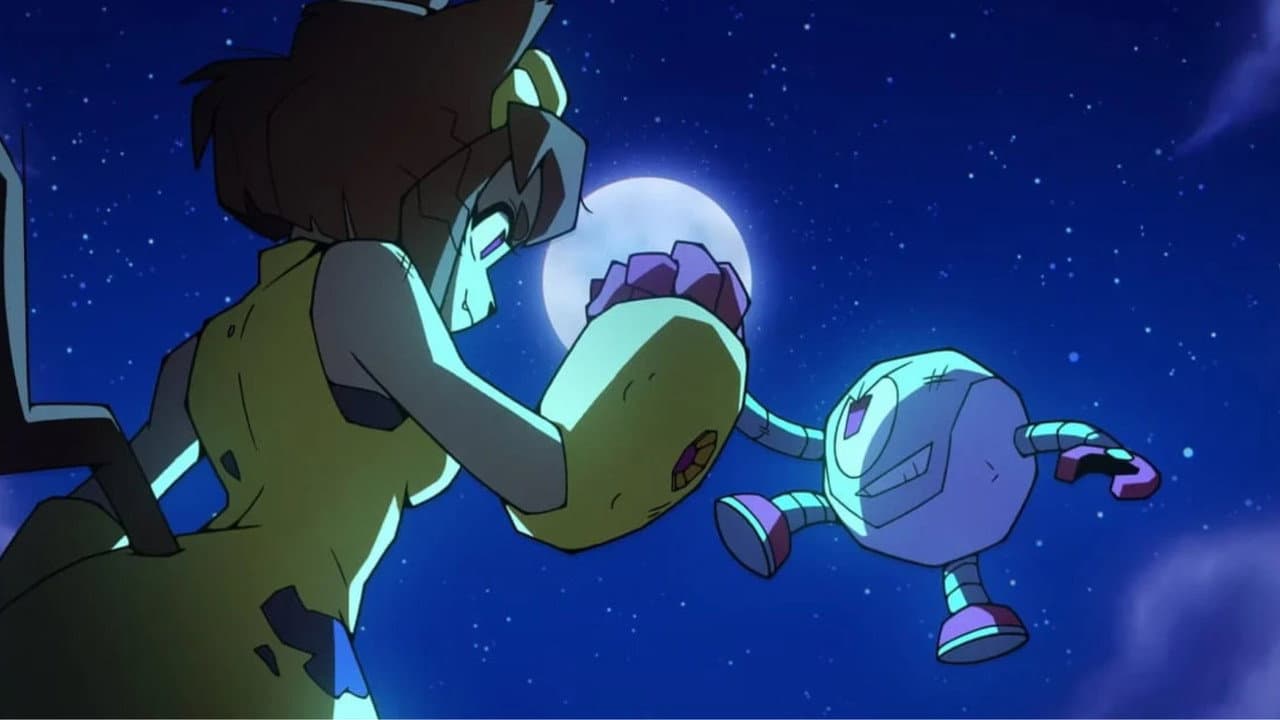
Details
Popularity · Search interest now
Based on TMDb activity
Hype score
leaderboard →Gameoverse's trailer ranks in the top 6% for YouTube television view counts.
Not currently available for streaming or purchase.
Links may earn Incoming a commission at no extra cost to you.
Incoming Editorial TeamVerified
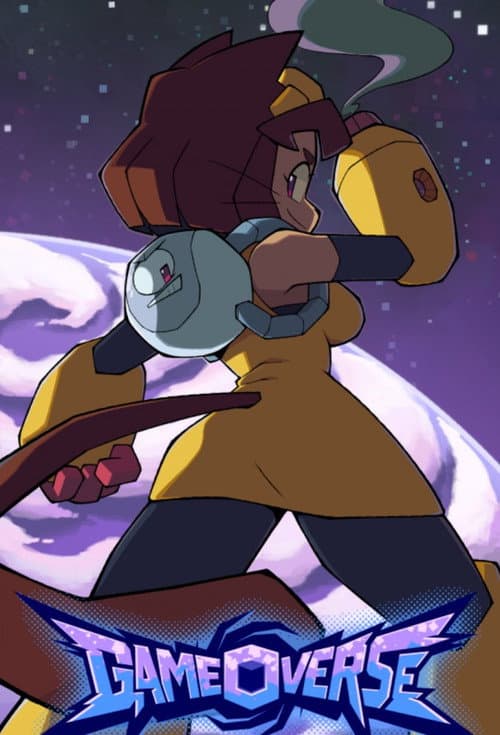
Gameoverse is an animated television series set to release on May 31, 2026. The show centers on collapsing video game worlds and a premise in which saving those worlds requires siding with the antagonist against the protagonist.
Gameoverse is scheduled to release on May 31, 2026.
Gameoverse follows characters navigating collapsing video game worlds, where saving those worlds requires helping the villain stop the hero.
Yes, Gameoverse is an animated series.
An animated series called Gameoverse is set to debut on May 31, 2026, produced by Glitch Productions and Screen Australia. The show is arriving as a single-season, single-episode release — an unusual format that raises its own set of questions before a frame has publicly aired.
Glitch Productions is an Australian independent animation studio that has built a following primarily through online content, making its partnership here with Screen Australia — the Australian government's national screen funding and development body — a noteworthy institutional pairing. Screen Australia's involvement typically signals a project that has cleared some formal gatekeeping around development funding, lending the production a degree of structural backing that distinguishes it from purely self-financed online animation. The combination of an independent studio known for digital-native work and a national funding body suggests a project positioned somewhere between prestige television and the kind of creator-driven animated content that has found large audiences outside traditional broadcast channels.
The premise, as it has been described, centers on video game worlds that are catastrophically, violently failing — "horrifically exploding" is the language attached to the concept — and on a narrative logic that immediately inverts familiar heroic convention. Saving those worlds, the setup insists, requires helping the antagonist stop the protagonist. The moral architecture here is deliberately scrambled: the bad guy is not merely misunderstood or redeemable in the usual sense, but functionally correct, and the good guy's success would apparently constitute a kind of existential catastrophe. This is a premise with obvious comedic potential, but the genre tags — animation, comedy, action-adventure, and drama — suggest the production is not treating it as pure parody. Drama is listed alongside comedy, which implies the show intends to take its inverted stakes seriously even as it mines them for humor.
The single-episode format is the most structurally unusual thing about Gameoverse, and it colors almost everything else worth noting. One episode does not constitute a series in any conventional sense, though the metadata does list it as a series with one season. This format has precedents in online animation, where creators have released feature-length or extended single installments framed as series premieres, pilots, or standalone specials. Whether Gameoverse's single episode functions as a self-contained story, a pilot intended to establish a world for future seasons, or something closer to an animated film presented in episodic framing is not clear from what has been made available. Given the scale of the premise — multiple collapsing video game worlds, a morally reversed hero-villain dynamic — it is a legitimate open question how much narrative territory a single episode can reasonably cover, and whether "single episode" here refers to a standard television runtime or something substantially longer.
The video game setting as an animated backdrop has a long tradition, from early Saturday morning cartoons built around licensed game properties to more recent entries that treat game-world logic — respawning, procedurally generated environments, genre conventions borrowed from specific types of games — as both subject matter and structural device. What Gameoverse appears to be doing, at least in outline, is treating the video game world not as a nostalgic playground or a licensing opportunity but as a cosmology, one with its own internal rules that can break down. The "exploding worlds" framing suggests something more apocalyptic than the genre usually attempts, and the moral inversion — help the villain, stop the hero — plays directly with the genre conventions that video game settings usually reinforce. Whether the show is engaging with specific game genres, archetypes, or aesthetics in any systematic way is not something the available information addresses.
Glitch Productions' origin as a studio associated with online animation means its sensibility has largely been shaped by audiences who engage with animated content outside traditional television pipelines. That context matters for how Gameoverse might be received and distributed. Screen Australia co-productions have appeared across a range of platforms and broadcast contexts, and the combination of that institutional backing with a studio rooted in digital distribution leaves the actual release platform unspecified in the available data. Where a viewer would find this on May 31, 2026 — whether on a streaming service, a broadcast network, or some form of direct online release — is not something the current information resolves.
The audience most likely to seek out Gameoverse is fairly legible from what's known: viewers with an existing interest in animated content that takes genre premises seriously while complicating them, and specifically those already familiar with video game culture as a narrative register rather than simply a visual aesthetic. Glitch Productions' existing audience skews toward viewers comfortable with online animation and drawn to projects that sit outside mainstream studio pipelines. Screen Australia's involvement may broaden that reach modestly, but the core draw here is the premise — an inverted moral framework set against collapsing fictional worlds — and whether one extended episode can make that premise feel earned rather than merely clever is the question May 31 will answer.
🔥 HotRick and Morty
AnimationAmericanDec 2, 2013
Rick and Morty
Devil May Cry
AnimationAmericanApr 3, 2025
Devil May Cry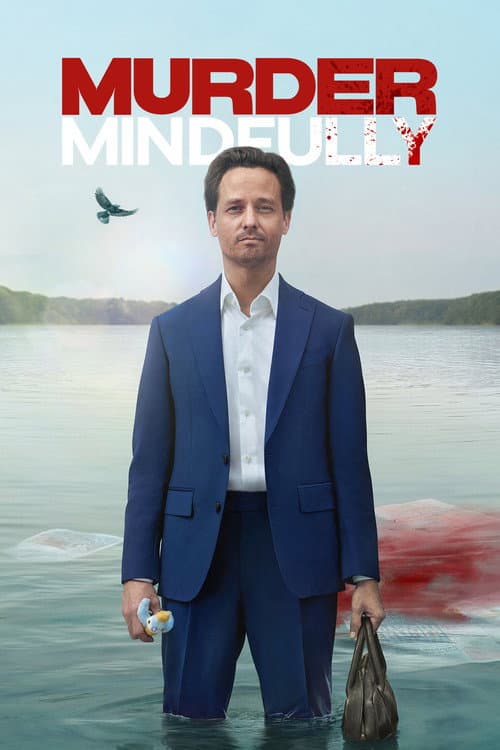
Murder Mindfully
DramaGermanOct 31, 2024
Murder Mindfully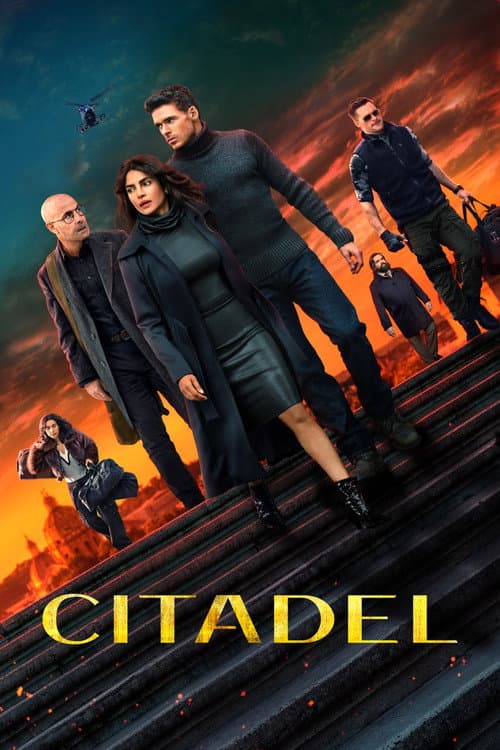
Citadel
DramaAmericanApr 27, 2023
Citadel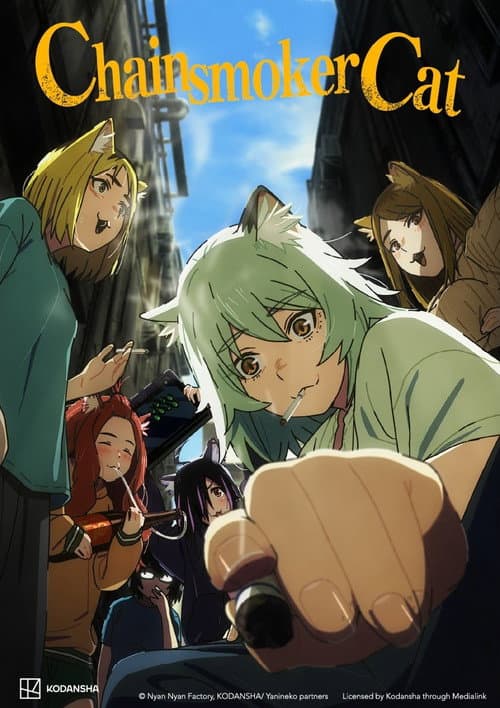
Chainsmoker Cat
AnimationJapaneseJul 3, 2026
Chainsmoker Cat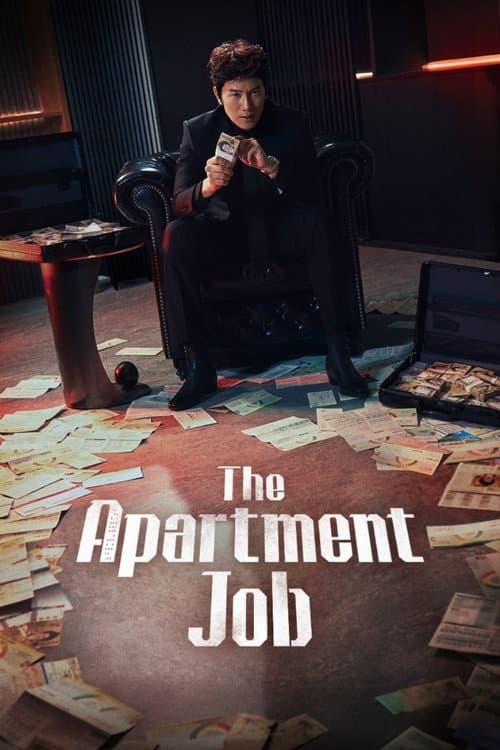
The Apartment Job
CrimeKoreanJul 11, 2026
The Apartment JobSign in to join the conversation.