 ⬆️ Rising
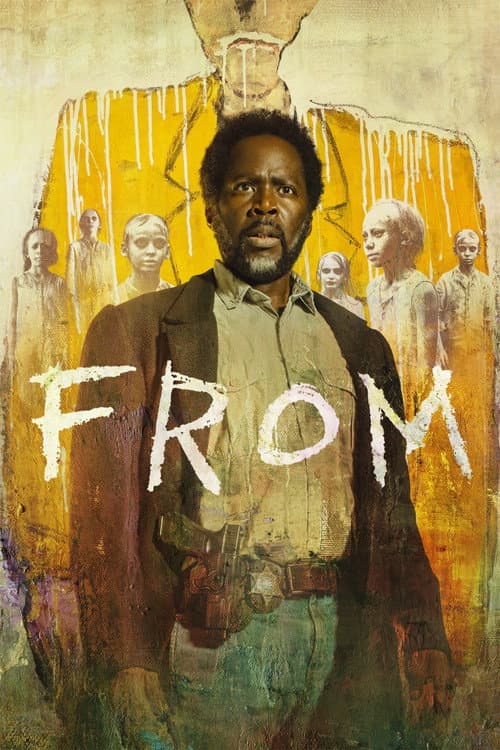
FROM
MysteryAmericanFeb 20, 2022
FROM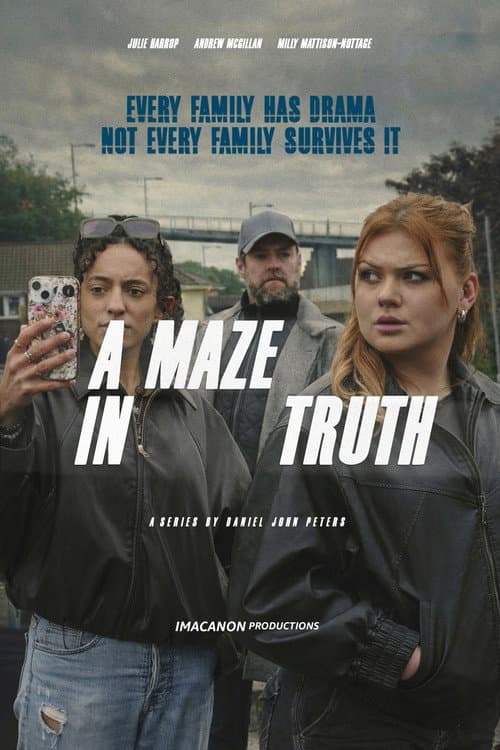
Details
Popularity · Search interest now
Based on TMDb activity
Not currently available for streaming or purchase.
Links may earn Incoming a commission at no extra cost to you.
Incoming Editorial TeamVerified
A MAZE IN TRUTH is an upcoming English-language television series releasing on April 29, 2026. The show follows a teenage girl who, after surviving a near-fatal allergic reaction, begins questioning her identity when a mysterious man claims she is not who she thinks she is.
A MAZE IN TRUTH premieres on April 29, 2026.
The series follows a teenage girl who survives a near-fatal allergic reaction and then has her identity called into question by a mysterious man, setting off conflict within her family.
The series uses a science-fiction premise as a catalyst but is described primarily as a grounded family drama focused on character and interpersonal tension rather than genre spectacle.
A MAZE IN TRUTH, a one-season, single-episode dramatic series produced by Imacanon Productions, is scheduled for release on April 29, 2026. A joint production between the United Kingdom and the United States, the English-language work sits at the intersection of family drama, mystery, and science fiction — a combination that, handled carefully, can strip away genre spectacle and leave something far more unsettling in its place.
The premise is compact but loaded. A teenage girl survives what should have been a fatal allergic reaction. In the aftermath, a mysterious man appears and tells her she is not who she believes herself to be. That claim — simple in its delivery, destabilizing in its implications — becomes the engine driving everything that follows. Tensions rise within her family. The truth, whatever shape it eventually takes, threatens to fracture those relationships entirely. The source description is deliberately spare on the nature of that truth, which is both a reasonable creative choice and a structural reality: a single-episode format means that what looks like a series premise is, in fact, a contained narrative. There will be no slow burn across seasons, no mid-run revelations designed to retain subscriptions. Whatever the story is, it will need to build and resolve — or deliberately leave open — within a single sitting.
The science-fiction element is described as a catalyst rather than a spectacle, which is a meaningful distinction. A certain tradition in both British and American television has long used genre premises — memory manipulation, identity substitution, biological anomaly — not as the story itself but as the pressure system that forces a family drama into regions it could not otherwise reach. Think of the ways body-horror or reality-distortion have been used in prestige-adjacent television not to produce wonder or dread as ends in themselves, but to ask what a person owes to the version of themselves their family has always believed in. A MAZE IN TRUTH appears to be operating in that register. The allergic reaction that should have killed her functions less as a medical mystery and more as a threshold — the moment after which the ordinary assumptions of identity and belonging become impossible to sustain.
The production company, Imacanon Productions, is the only institutional credit available in the material. The dual British and American origin country designation suggests either a co-production arrangement or a creative team that straddles both industries, though the specific nature of that arrangement has not been detailed. The association in the metadata with Dylan O'Brien — the actor known, among other things, for the Maze Runner film series — raises a question the available information does not fully answer. Whether that connection indicates his involvement in A MAZE IN TRUTH in some capacity, or whether it is an artifact of how the data was assembled, is not clear from the structured material alone. What can be said is that the title itself, A MAZE IN TRUTH, carries a phonetic echo of that franchise — a pun that either reflects deliberate creative lineage or an irrelevant coincidence, and that distinction matters considerably to how the project should be read.
What the marketing has not answered, at least not in the material available here, is the specific nature of the mysterious man's claim. The source description says the girl begins to question her identity — but the science-fiction label gestures at a range of possibilities that vary dramatically in their implications. Identity confusion can emerge from adoption secrets, from witness protection arrangements, from medical experimentation, from questions about memory and consciousness, or from something considerably stranger. The story's dramatic register — whether it remains grounded in recognizable domestic psychology or whether it eventually requires the audience to accept a fundamentally altered understanding of reality — will determine what kind of experience this is. The description insists on "grounded," which is a production-side promise that doesn't always survive contact with execution.
The single-episode format also raises practical questions about pacing and resolution. One episode of drama carries a specific burden: it cannot afford the patience of serial television, where ambiguity accumulates over weeks, but it also shouldn't compress so aggressively that the family dynamics it promises feel gestural rather than felt. The claim that the drama is "family-driven" depends on whether the surrounding characters — parents, siblings, whoever constitutes the family unit under pressure — are given enough room to function as actual people rather than representatives of skepticism, belief, or denial. That balance is genuinely difficult to strike in a contained runtime, and it is the central craft question hanging over the project.
Audiences likely to seek this out are those with tolerance for genre premises used in service of smaller, more personal stories — viewers who found something in the quieter, more domestic passages of shows that otherwise traded in high-concept twists. The British-American co-production context and the drama-first framing suggest a sensibility more interested in what identity disruption costs a family emotionally than in the mechanics of whatever caused the disruption in the first place.
⬆️ RisingFROM
MysteryAmericanFeb 20, 2022
FROM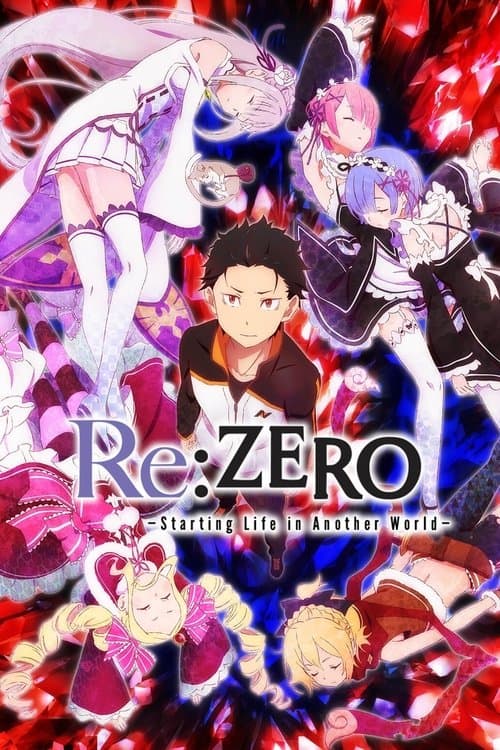 ⬆️ Rising
Re:ZERO -Starting Life in Another World-
AnimationJapaneseApr 4, 2016
Re:ZERO -Starting Life in Another World-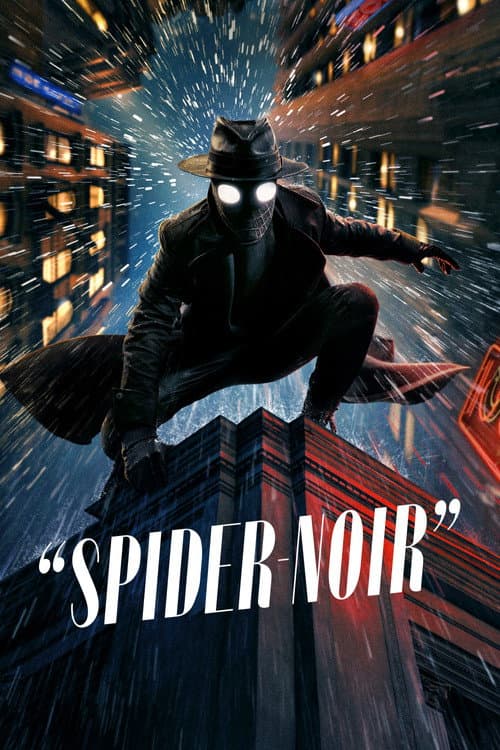 📈 Trending
Spider-Noir
CrimeAmericanMay 25, 2026
Spider-Noir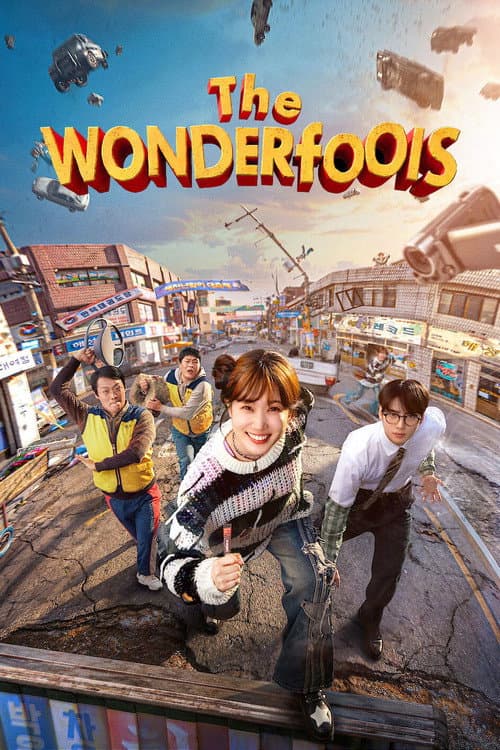 📈 Trending
The WONDERfools
Action & AdventureKoreanMay 15, 2026
The WONDERfools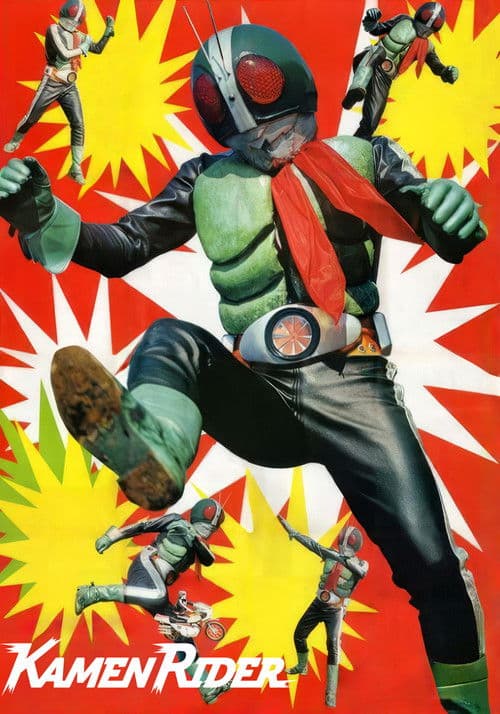 📈 Trending
Kamen Rider
Action & AdventureJapaneseApr 3, 1971
Kamen Rider 📈 Trending
Widow's Bay
DramaAmericanApr 28, 2026
Widow's BaySign in to join the conversation.