 🔥 Hot
Toy Story 5
AnimationJun 17, 2026
Toy Story 5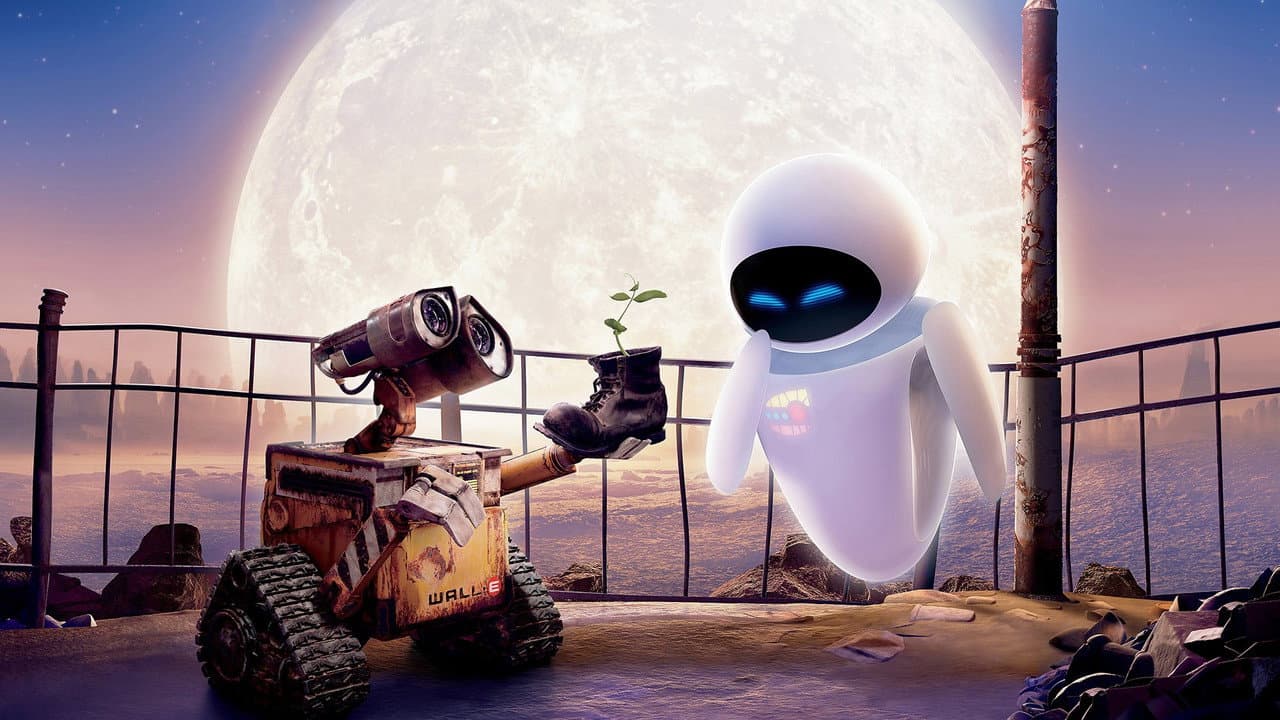
Details
Rating · Quality score from voters
Popularity · Search interest now
Based on TMDb activity

Ben Burtt
WALL·E / M-O (voice)

Elissa Knight
EVE (voice)

Jeff Garlin
Captain (voice)

Fred Willard
Shelby Forthright, BnL CEO

John Ratzenberger
John (voice)

Kathy Najimy
Mary (voice)

Sigourney Weaver
Ship's Computer (voice)

Lori Alan
Additional Voices (voice)

Bob Bergen
Additional Voices (voice)

John Cygan
Additional Voices (voice)

Pete Docter
Additional Voices (voice)

Paul Eiding
Additional Voices (voice)

Donald Fullilove
Additional Voices (voice)

Teresa Ganzel
Additional Voices (voice)

Jess Harnell
Additional Voices (voice)
Links may earn Incoming a commission at no extra cost to you. Streaming data via JustWatch — may not reflect today's catalog.
Incoming Editorial TeamVerified
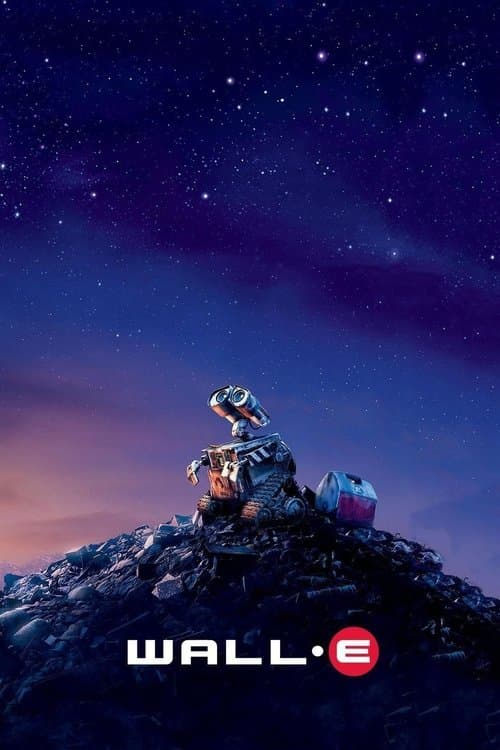
WALL·E is an animated science-fiction film from Pixar, released on June 26, 2008. The story follows a waste-collecting robot who encounters a sleek search robot named EVE, setting off a journey across the galaxy tied to the future of Earth.
WALL·E opened in theaters on June 26, 2008. It is a Pixar production released under the animation, family, and science-fiction genres.
WALL·E is available to stream on Disney Plus. It can also be rented digitally through Amazon Video, Apple TV Store, and Google Play Movies.
WALL·E was produced by Pixar Animation Studios. Pixar is known for its catalog of animated features spanning multiple genres, distributed theatrically and later through Disney-affiliated platforms.
WALL·E follows a robot built to clean up Earth who has been performing that task alone for hundreds of years. When he encounters EVE, a search robot sent from space, he inadvertently leads her to a discovery with implications for the future of the planet, prompting a chase across the galaxy.
WALL·E is categorized as an animated science-fiction and family film. It combines a futuristic setting involving robots and space travel with a story accessible to general audiences.
WALL·E is a standalone Pixar feature and is not part of a multi-film franchise or series. It exists as a single narrative without a direct sequel.
Pixar's WALL·E opens in wide release on Thursday, June 26, 2008, presenting one of the more unusual premises the studio has committed to in its roughly thirteen-year theatrical history: a near-silent science-fiction story centered on a small, weathered robot left alone on an abandoned Earth to do the job he was designed for, apparently for centuries, before a single encounter redirects the entire trajectory of his existence.
The setup is spare by the standards of mainstream animated features. WALL·E — the name rendered in Pixar's promotional materials with that characteristic dot — is a waste-collecting machine. That is the totality of his original function. He compacts refuse. He stacks it. He has been doing this, the description suggests, for hundreds of years, long after whatever civilization created him has evidently departed. There is no indication of surviving human society on the surface of the planet. The Earth he occupies is, by implication, a ruin. That is a quietly striking premise for a family film from a major studio, and it is worth pausing on: Pixar is asking audiences, including children, to sit with a picture of civilizational abandonment as its opening condition rather than as a late-act twist.
The catalyst for the narrative is the arrival of EVE, described as a sleek search robot — the physical and temperamental contrast with WALL·E appears to be deliberate. Where WALL·E is aged, functional, and earthbound, EVE is described in terms that suggest speed and modernity. Her mission is not disclosed in detail beyond the designation "search robot," which itself raises questions about what she is searching for and on whose behalf. The plot turns on WALL·E having accidentally found something significant — "the key to the planet's future," in the source description's phrasing — without understanding what he has. EVE, once she grasps the significance of what WALL·E carries, returns to space to report her findings to the humans who sent her. WALL·E follows. What began as a story about solitary labor and an unlikely encounter between two machines becomes, at that point, a pursuit narrative that relocates to deep space and involves the remnants of human civilization.
Pixar's track record by mid-2008 includes films that have consistently pushed against the conventions of their genre — Finding Nemo, The Incredibles, Ratatouille — and the studio has shown a recurring interest in protagonists who are marginal or overlooked figures rather than conventional heroes. A garbage-compacting robot fits that pattern. So does the reported emphasis on near-wordless storytelling, at least in the film's early sections. Animated features aimed at broad audiences do not typically open with extended passages of minimal dialogue, and the choice carries some commercial risk. It also signals a certain confidence in the studio's ability to generate emotional legibility through image and sound design alone — a confidence that, given the film's origins at Pixar, is presumably grounded in test-screening feedback and internal creative review, though none of that process is detailed in the available information.
The science-fiction framing is worth taking seriously on its own terms. The film operates in a genre tradition that includes cautionary stories about ecological exhaustion, automation, and the long-term consequences of human consumption. The premise — a planet so thoroughly covered in waste that it had to be evacuated — gestures toward those themes without, apparently, making them the explicit subject of a lecture. Whether the film addresses its own implications directly or holds them at a thematic distance is one of the more genuinely interesting open questions heading into release. Family films from major studios have historically tended to resolve dystopian premises quickly in favor of adventure, and it is not yet clear how much tonal weight WALL·E is willing to sustain.
The relationship between WALL·E and EVE is framed in the available description as the emotional core of the story, but the nature of that relationship — what it means for two machines to form a connection, how the film handles the question of robot interiority, whether it takes seriously the philosophical strangeness of ascribing loneliness and purpose to non-conscious entities — remains unaddressed in the promotional framing. These are not criticisms of the film, which has not yet been seen. They are the questions a curious viewer carries into the theater.
The humans who appear in the second half of the film, summoned by EVE's return to space, are presumably central to whatever resolution the plot achieves, but they are almost entirely absent from the description. Their condition — why they left, what they have been doing in space, what the planet's future means to them — is left open. That absence may be intentional, preserving surprise, or it may reflect a production still finalizing its third act. Either way, the film's second half is the larger unknown.
WALL·E will draw, most obviously, the families and children who constitute Pixar's core theatrical audience. It will also draw viewers who followed Ratatouille and The Incredibles as films that engaged adult interests without condescending to younger ones. Anyone with a particular investment in animated science fiction — a genre with a limited but serious tradition — will find the premise worth investigating. The film is available for streaming on Disney Plus and for digital purchase or rental across Amazon Video, Apple TV, Google Play Movies, YouTube, and Fandango At Home.
🔥 HotToy Story 5
AnimationJun 17, 2026
Toy Story 5 ⬆️ Rising
Star Wars: The Mandalorian and Grogu
ActionMay 20, 2026
Star Wars: The Mandalorian and Grogu ⭐ Popular
Moana
FamilyJul 8, 2026
Moana🔥 HotThe Mandalorian and Grogu
ActionMay 20, 2026
The Mandalorian and Grogu 🔥 Hot
Coyote vs. Acme
ComedyAug 20, 2026
Coyote vs. Acme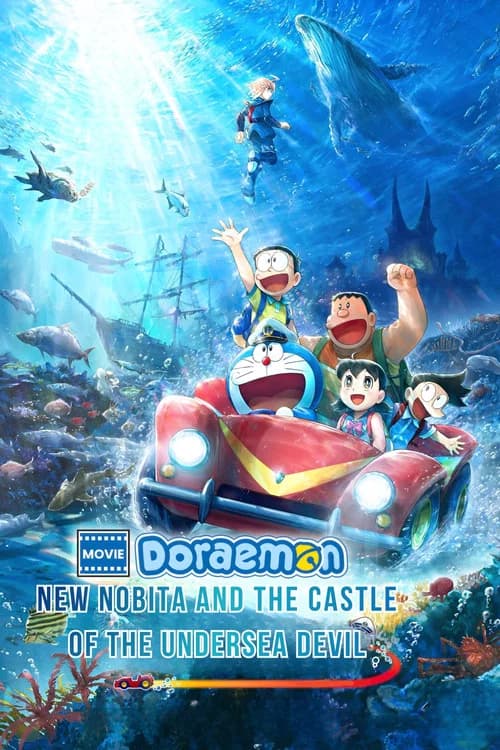
Doraemon the Movie: New Nobita and the Castle of the Undersea Devil
AnimationFeb 27, 2026
Doraemon the Movie: New Nobita and the Castle of the Undersea DevilSign in to join the conversation.