Details
- Language
- English
- Studio
- Lucasfilm Ltd.
- TMDb Rating
- 6.8 (207 votes)
- Directed by
- Jon Favreau
- Written by
- Jon Favreau, Dave Filoni, Noah Kloor
- Mood
- fast paced
- For
- family
Rating · Quality score from voters
TMDb
6.8/10
IMDb
6.7/10
Rotten Tomatoes
60%
Metacritic
53/100
Popularity · Search interest now
Popular
188.4
Based on TMDb activity
Hype score
leaderboard →90
/ 100↑ +12.4 in 24h
#22 globally#17 in movie
30-day trendWP 89
The Mandalorian and Grogu generates Wikipedia research tied to the Star Wars universe expansion.
Starring








Where to watch
Links may earn Incoming a commission at no extra cost to you. Streaming data via JustWatch — may not reflect today's catalog.
Incoming Editorial TeamVerified
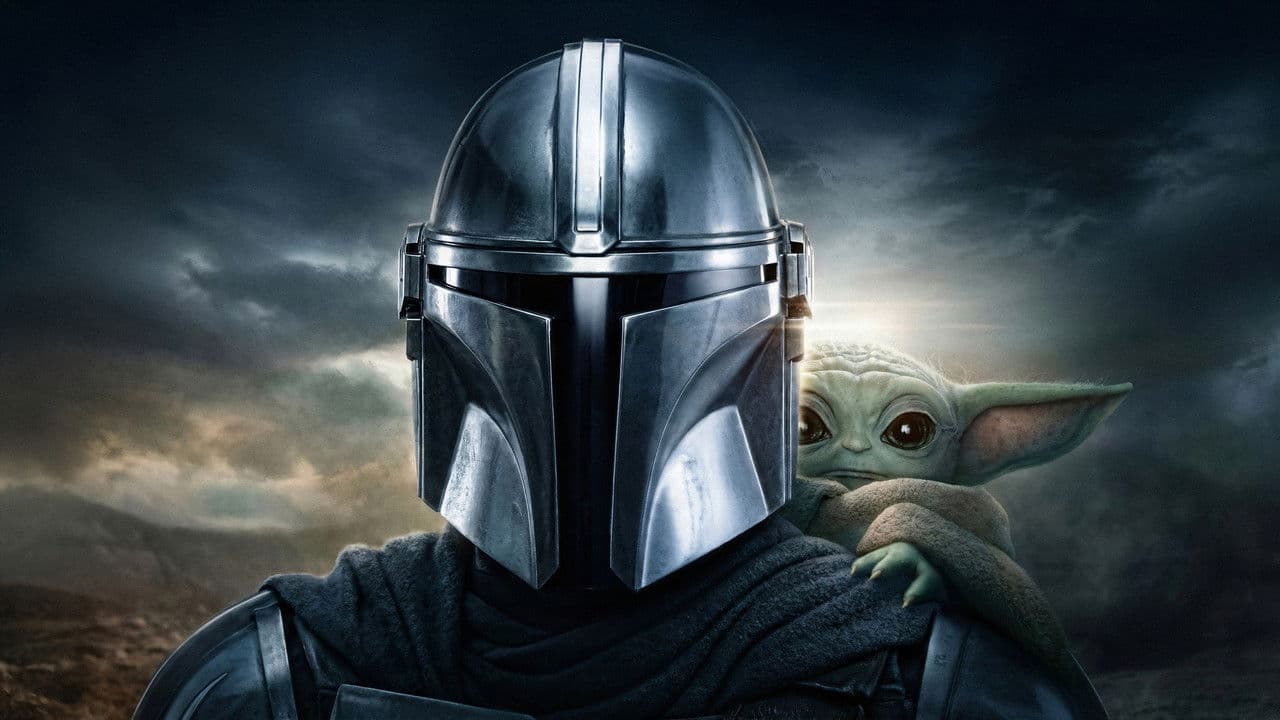
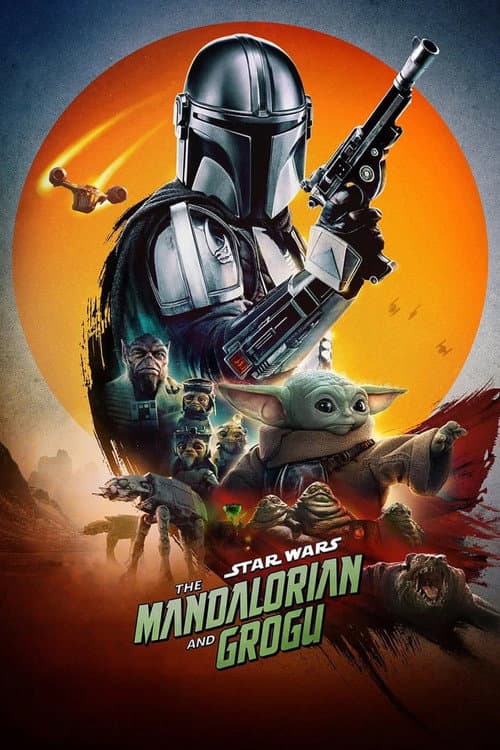
The evil Empire has fallen, and Imperial warlords remain scattered throughout the galaxy. As the fledgling New Republic works to protect everything the Rebellion fought for, they have enlisted the help of legendary Mandalorian bounty hunter Din Djarin and his young apprentice Grogu.
Trailer
Gallery (21)
About this release
On May 20, 2026, Lucasfilm Ltd. and Fairview Entertainment will release The Mandalorian and Grogu, a theatrical feature film that moves the story of Din Djarin and his young Force-sensitive ward from the streaming series where it began to the cinema screen. It is, by any measure, a significant structural shift for a franchise that built its second wave of popularity almost entirely through episodic television.
The pairing of Din Djarin and Grogu first appeared in The Mandalorian, the Disney+ live-action series that debuted in 2019 and became one of the more discussed entries in the Star Wars canon in years. The show ran for multiple seasons, threading a relatively self-contained bounty-hunter narrative through the broader Star Wars universe, and it rehabilitated Grogu — a character almost instantly absorbed into popular culture — as a central figure in post-Return of the Jedi storytelling. The film picks up within the same continuity: the Empire has fallen, Imperial warlords remain dispersed across the galaxy, and the New Republic is attempting to consolidate its authority. Din Djarin is now working alongside that New Republic effort, with Grogu described as his apprentice. That framing — bounty hunter turned institutional ally, solitary gunfighter gradually incorporated into a larger order — marks a meaningful evolution from the series' early premise, where Djarin was explicitly operating at the margins of whatever power structures existed.
The move to theatrical release is the most structurally interesting thing about this project. Star Wars films have, since the franchise's revival under Lucasfilm's Disney-era ownership, been a complicated proposition: a sequel trilogy, two anthology films, and then a long retreat from theatrical features in favor of streaming series. The Mandalorian and Grogu represents the clearest attempt yet to bring a streaming-native Star Wars narrative back into theaters, using characters whose appeal was established entirely on the small screen. Whether the storytelling grammar of a weekly episodic series — which The Mandalorian used to considerable effect, with its lean, mission-structured episodes — translates into a feature film's demands for sustained escalation and resolution is one of the more open questions surrounding the production. The two forms are not hostile to each other, but they are different, and series that have made the jump in either direction have not always managed the transition without friction.
Fairview Entertainment appears alongside Lucasfilm in the production credits, which is notable primarily because Lucasfilm has typically handled Star Wars productions with a fairly tight internal structure. What Fairview's specific role in the production entails is not detailed in the available material, but the co-production arrangement is at minimum worth registering as a departure from the standard Lucasfilm configuration.
Beyond the broad strokes of the premise — the New Republic, the scattered remnants of Imperial power, the Djarin-Grogu dynamic formalized now as master and apprentice — the specifics of the film's plot are not public. The description places the two characters in active service to the New Republic's stabilization effort, which suggests the film will engage with the post-Empire political landscape in a more direct way than the series often did. The early seasons of The Mandalorian treated galactic politics largely as backdrop, with Djarin's personal code and immediate objectives driving the narrative. If the film foregrounds the New Republic itself as a meaningful presence rather than a contextual frame, that would represent a tonal shift worth watching for.
There are also questions that the premise raises without answering. Grogu's designation as Djarin's "apprentice" carries weight in the Star Wars framework — apprenticeship in this universe has a specific and loaded history — but it is not clear from the available material whether Grogu's Force training, which was an ongoing thread in the series and its connected shows, has been resolved, abandoned, or simply recontextualized under Djarin's direct tutelage. The series left a number of threads at varying stages of development, and a two-hour film will presumably need to decide which of those it intends to honor, which it will sidestep, and which it will resolve. Viewers familiar with the series will arrive with expectations formed across multiple seasons of television; viewers encountering the characters for the first time in a theater will need the film to function as a legible standalone. Balancing those two audiences is not a trivial problem.
The action-adventure-science fiction classification is accurate and unsurprising, given the series' consistent genre positioning. What the film does within that framework — whether it leans into the western-inflected, episodic structure of the show, or adopts the more propulsive, setpiece-driven pacing that theatrical Star Wars films have historically favored — is not something the available material settles.
The audience most likely to seek this out is relatively easy to identify: viewers who followed The Mandalorian through its run and developed an attachment to Djarin and Grogu sufficient to carry them from a streaming subscription into a theater. That is a substantial group. Less certain is whether the film will draw audiences who found the series uneven in its later seasons, or those who never engaged with it at all. The theatrical release is, among other things, a test of how far the goodwill generated by a streaming show's best episodes can travel.
Comments
Sign in to join the conversation.
Loading…