 Cool
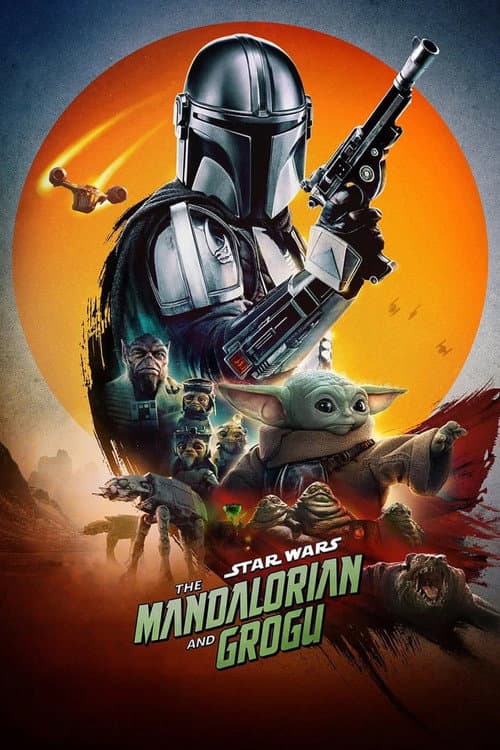
Star Wars: The Mandalorian and Grogu
Released May 20, 2026
Details
- Language
- English
- Studio
- Lucasfilm Ltd.
- TMDb Rating
- 6.7 (181 votes)
- Directed by
- Jon Favreau
- Written by
- Jon Favreau, Dave Filoni, Noah Kloor
- Mood
- uplifting
- Theme
- found familysurvival
- For
- family
Rating · Quality score from voters
TMDb
6.7/10
IMDb
6.7/10
Rotten Tomatoes
60%
Metacritic
53/100
Popularity · Search interest now
Popular
163.7
Based on TMDb activity
Starring






Where to watch
Links may earn Incoming a commission at no extra cost to you. Streaming data via JustWatch — may not reflect today's catalog.
Incoming Editorial TeamVerified
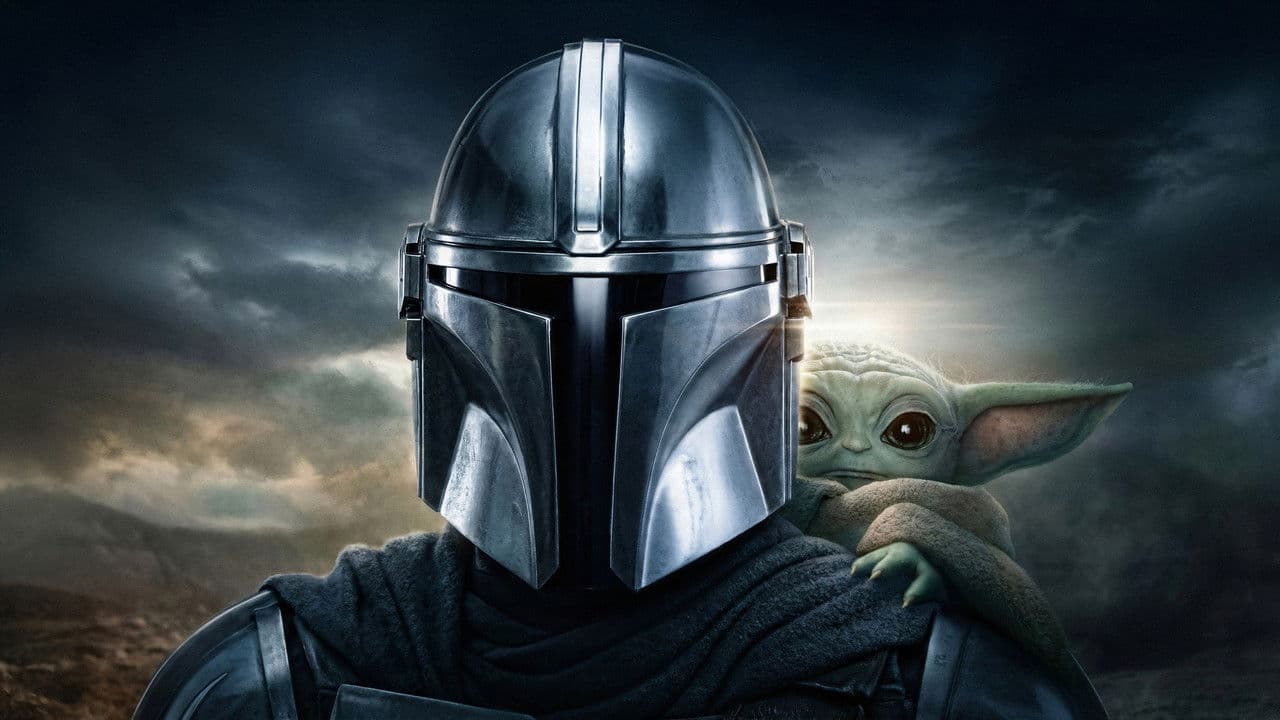
Star Wars: The Mandalorian and Grogu is an upcoming theatrical film set in the Star Wars universe, releasing May 20, 2026. It follows Mandalorian bounty hunter Din Djarin and his young apprentice Grogu in the aftermath of the Empire's fall.
Trailer
Gallery (21)
Key features
- ·Theatrical Star Wars feature film
- ·Set after the fall of the Galactic Empire
- ·Follows Din Djarin and Grogu
- ·New Republic era setting
- ·Releases May 20, 2026
FAQ
When does Star Wars: The Mandalorian and Grogu release in theaters?
The film is scheduled to release on May 20, 2026.
What is Star Wars: The Mandalorian and Grogu about?
The film follows Mandalorian bounty hunter Din Djarin and his apprentice Grogu as they assist the New Republic in the wake of the Empire's fall, while Imperial warlords remain scattered throughout the galaxy.
Is Star Wars: The Mandalorian and Grogu related to the Mandalorian TV series?
Yes, the film features Din Djarin and Grogu, the central characters from the Mandalorian television series, marking their transition to a theatrical feature.
What era of Star Wars does The Mandalorian and Grogu take place in?
The film is set after the fall of the Galactic Empire, during the period in which the New Republic is working to establish order across the galaxy.
About this release
On May 20, 2026, Lucasfilm Ltd. and Fairview Entertainment will release Star Wars: The Mandalorian and Grogu in theaters — the first feature film to emerge directly from the television series The Mandalorian, which introduced Din Djarin and the creature known as Grogu to audiences on Disney+. The move from streaming series to theatrical feature represents one of the more consequential structural decisions Lucasfilm has made in its post-Disney acquisition era, and the film arrives carrying both the goodwill that accumulated around the original show and the considerable weight of a franchise that has spent several years searching for stable creative footing.
The premise as described places the film in the period following the fall of the Galactic Empire. Din Djarin, the bounty hunter whose Mandalorian creed and unlikely bond with the young Force-sensitive Grogu drove the television series, is now operating in a different political landscape. The Empire has collapsed, but its remnants — scattered Imperial warlords — have not been fully neutralized. Into this partial vacuum steps the New Republic, a governing body that represents the institutional outcome of the Rebellion's sacrifices. According to the film's official description, the New Republic has enlisted Din Djarin and Grogu in some capacity, which suggests the story moves the central duo away from the margins of the galaxy and closer to its political and military center. That is a notable shift in register. Much of what made the television series feel distinct within the broader Star Wars canon was its peripheral quality — the stories were small, personal, and set at a remove from the saga's familiar power struggles. A narrative that positions its protagonists as assets of the New Republic necessarily pulls them toward larger institutional forces.
Lucasfilm produces the film alongside Fairview Entertainment, though the specific creative personnel — director, screenwriter, and returning cast — are not confirmed in currently available materials. That absence of credited names is itself worth noting. Major franchise productions at this stage of their promotional cycle typically have at minimum a director attached on record, and the lack of that information suggests either that announcements are being staged carefully or that certain elements of the production remain in flux. What can be said is that the film falls squarely within the action, adventure, and science-fiction categories that have defined the Star Wars theatrical brand since 1977, and that its English-language production through Lucasfilm places it within the established industrial pipeline that the studio has used for all of its live-action properties.
The transition from episodic television to a feature-length format raises practical storytelling questions that the available material doesn't resolve. The Mandalorian as a series was structured around self-contained episodes with an overarching arc, a format that allowed for tonal flexibility and varying levels of narrative ambition from week to week. A single film imposes a different discipline — it must accommodate audiences who followed the series closely while remaining legible to those who did not, and it must resolve or at least meaningfully advance story threads within a fixed runtime rather than across a season. The description's reference to Din Djarin as a "legendary" Mandalorian bounty hunter implies some elapsed time and a reputation that has grown, but how much continuity the film assumes on the part of its audience is an open question.
The political texture of the setup also invites scrutiny. The New Republic, as described, is working to protect what the Rebellion fought for — a framing that treats the post-Empire order as inherently worth defending. But Star Wars narratives have historically been more complicated about institutional power than that language suggests, and whether the film interrogates the New Republic's legitimacy or simply uses it as backdrop for action sequences is something the description cannot tell us. Similarly, the presence of Imperial warlords as antagonists is a broad stroke. The series itself dealt with figures like Moff Gideon, whose ambitions connected to larger threads about the Imperial remnant and the eventual rise of the First Order. Whether the film draws on that continuity or introduces new antagonists within the same general category remains unclear.
Grogu's role as Din Djarin's "young apprentice" is a characterization worth holding onto. The television series devoted considerable narrative energy to the question of Grogu's identity, his Force abilities, and his relationship to the Jedi. Describing him as an apprentice — to a Mandalorian rather than a Jedi — reflects choices made in the later seasons of the show and positions the film as a continuation of that particular resolution rather than a reopening of it. For viewers who followed that arc, the framing will carry resonance. For those arriving fresh, it raises questions about what kind of training relationship is actually meant and what it portends for both characters.
The film is likely to draw its core audience from viewers who followed The Mandalorian on Disney+, particularly those who were invested in the dynamic between Din Djarin and Grogu across the show's run. Beyond that built-in constituency, the theatrical release positions it for the broader Star Wars audience that has historically shown up for films in the franchise regardless of prior engagement with related television content. Whether it can do both things simultaneously — satisfy the series faithful and stand on its own in a multiplex context — is the central question hanging over a project whose full creative picture has yet to be disclosed.
Comments
Sign in to join the conversation.
Loading…