


 📈 Trending
Obsession
HorrorMay 13, 2026
Obsession

Details
Rating · Quality score from voters
Popularity · Search interest now
Based on TMDb activity
Links may earn Incoming a commission at no extra cost to you. Streaming data via JustWatch — may not reflect today's catalog.
Incoming Editorial TeamVerified
A lonely Frankenstein travels to 1930s Chicago to ask groundbreaking scientist Dr. Euphronious to create a companion for him. The two revive a murdered young woman and The Bride is born. But what ensues is beyond what either of them imagined.
A film called The Bride! — the exclamation mark included — is scheduled to open on March 4, 2026, produced by First Love Films and In The Current Company in association with Warner Bros. Pictures. It plants itself squarely in the science-fiction, horror, and fantasy genres, and its premise is a deliberate return to one of the oldest creatures in the Universal Monsters tradition: the Bride of Frankenstein.
The source material for this story has a long and tangled history in cinema. James Whale's 1935 Bride of Frankenstein remains perhaps the most formally admired of the classic monster pictures, introducing a female creation who, in the span of a few minutes of screen time, became one of horror's most enduring icons — a figure defined almost entirely by her rejection of the Monster and her immediate destruction. The image of Elsa Lanchester with her lightning-bolt hair has never fully left the culture. In the decades since, the character has appeared in sequels, parodies, merchandise, and franchise attempts, most notably a 2019 Universal Monsters revival that was quietly abandoned. The fact that Warner Bros. is now backing a new interpretation is itself a production note worth registering.
What distinguishes The Bride! from its predecessors — at least on the basis of what has been made public — is its deliberate relocation of the story. Rather than the Gothic European landscapes of the Whale films, this version sets its narrative in 1930s Chicago. That is a genuinely unusual choice. Chicago in that era carries connotations of Prohibition, organized crime, rapid industrialization, and a particular strain of American urban alienation that has little overlap with the fog-and-castle Romanticism of the original. Whether the film uses that setting as pure backdrop or as something thematically purposeful remains to be seen, but the displacement is striking.
The premise follows a lonely Frankenstein traveling to Chicago to petition a scientist named Dr. Euphronious — a character not drawn from the canonical Shelley novel or the Whale films, so far as the available materials indicate — to create a companion for him. Together, the two revive a murdered young woman, and from that act The Bride emerges. The description notes that what follows is "beyond what either of them imagined," which is a formulation that gestures at consequence without specifying its shape. The murdered-woman detail is worth noting on its own. It anchors the Bride's origin in violence in a way the 1935 film did not quite articulate, and it raises questions the marketing has not yet answered: Does the revived woman retain memories of her prior life? Does she have agency over her circumstances, or is she, again, a creation defined primarily by what others want from her? The original Bride's entire arc consists of being made, screaming, and dying. Whether this film is interested in expanding that interiority is one of the more substantive open questions.
The involvement of Dr. Euphronious as a named, presumably significant character also shifts the dynamic away from the Frankenstein-Monster dyad that has dominated most adaptations. Having two male figures — one a creature, one a scientist — collaborate on the creation of a woman from the body of a murder victim is a premise that carries weight in a post-Frankenstein cultural landscape that has spent considerable time examining whose desires get to animate female characters and whose do not. The film may address this directly, or it may not. The available description gives no indication of the Bride's perspective or whether the narrative is structured around her point of view.
The Chicago setting also introduces something the Gothic never really had to contend with: the social and institutional textures of a modern American city. A creature walking through Depression-era Chicago is not the same as a creature shambling through a Bavarian village. The urban environment implies witnesses, newspapers, police, and a kind of accountability to documented reality. Whether the film engages with period-specific detail or uses the 1930s as a loosely atmospheric frame is another question the promotional materials have not answered.
What is available is the creative alignment: Warner Bros.' distribution muscle behind what appears to be a modestly scaled production from smaller companies, in a genre space that has seen considerable commercial and critical volatility over the past decade. Monster revivals have proven difficult to calibrate — too faithful to the source and the audience finds them quaint, too revisionist and the franchise core pushes back. The 1930s Chicago setting suggests ambition toward something that does not quite fit either mode.
Audiences who are likely to seek this out early will probably be drawn from two overlapping pools: horror enthusiasts with a particular interest in classic-monster mythology and its contemporary reinventions, and viewers drawn to period genre films that use historical settings as pressure chambers for contemporary concerns. The March 4 release date positions it outside the crowded summer and awards corridors, which may reflect either modesty about its commercial profile or a bet on a quieter moment when there is less competition for the kind of viewer who takes this material seriously.
📈 TrendingObsession
HorrorMay 13, 2026
Obsession ⭐ Popular
Backrooms
HorrorMay 27, 2026
Backrooms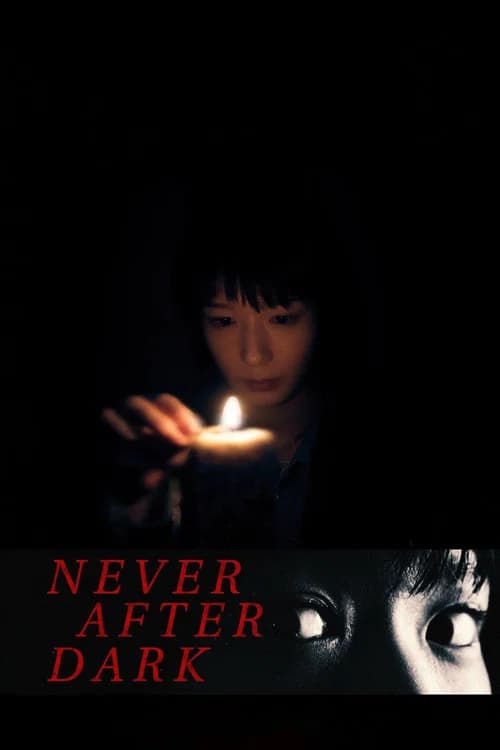
Never After Dark
HorrorJun 5, 2026
Never After Dark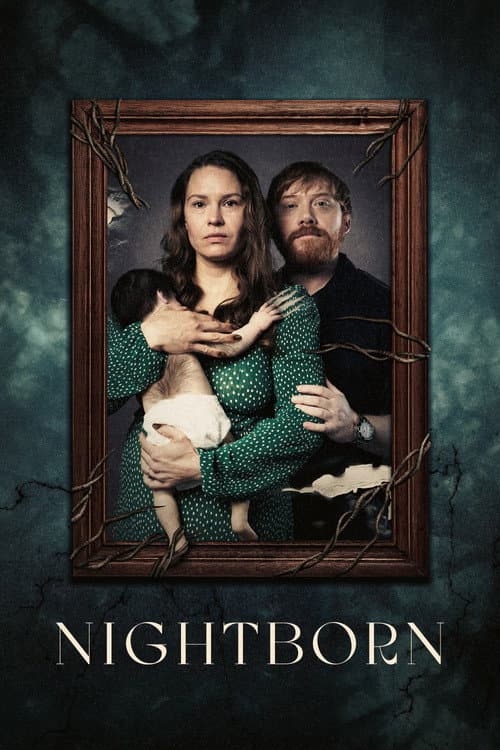
Nightborn
HorrorJul 1, 2026
Nightborn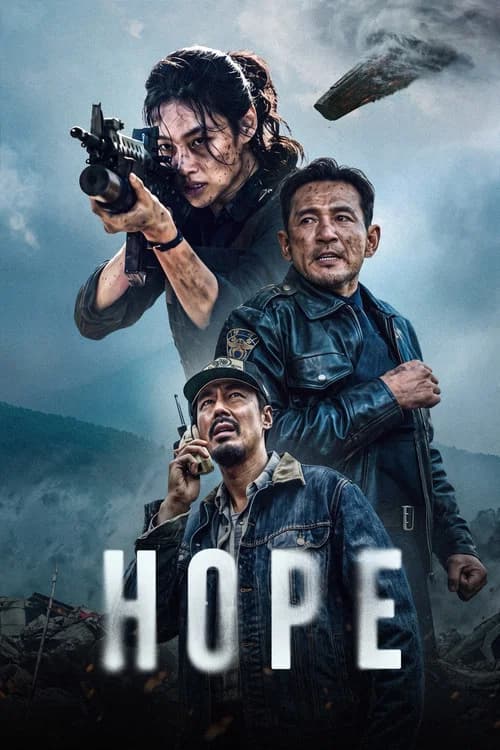 📈 Trending
Hope
Science FictionJul 15, 2026
Hope 🔥 Hot
Insidious: Out of the Further
HorrorAug 19, 2026
Insidious: Out of the FurtherSign in to join the conversation.