




 📈 Trending
Obsession
HorrorMay 13, 2026
Obsession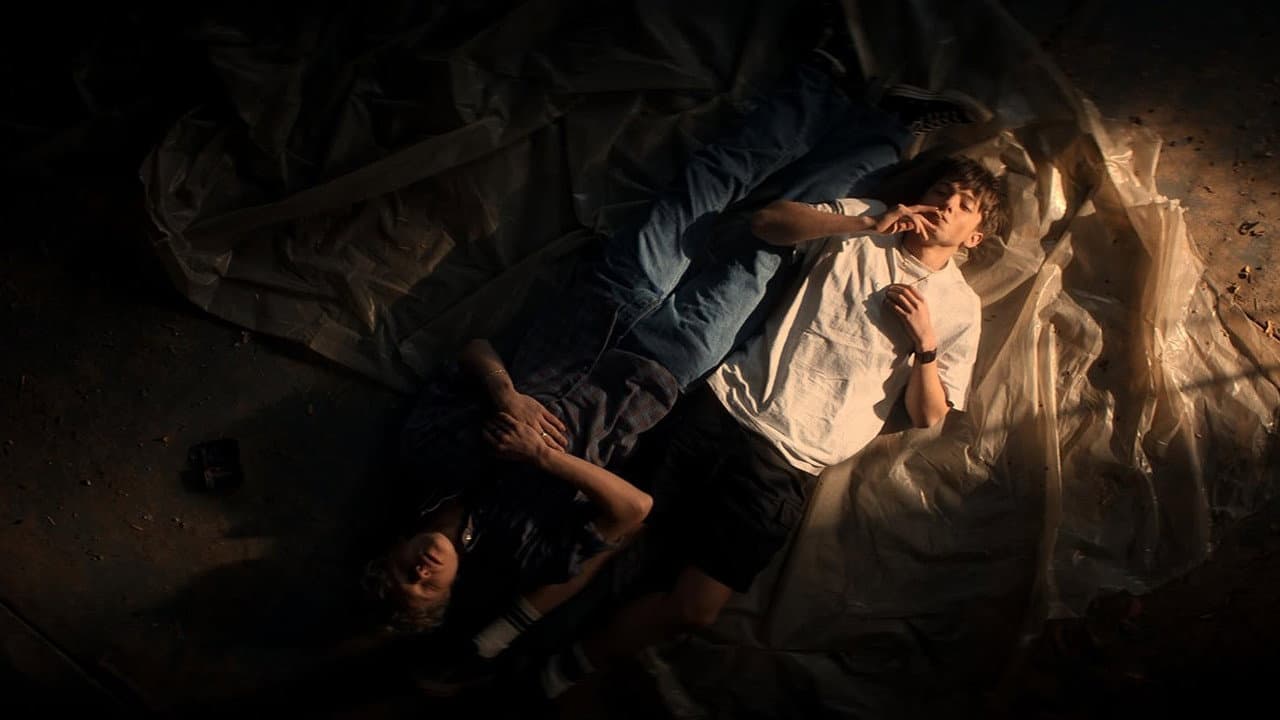
Details
Rating · Quality score from voters
Popularity · Search interest now
Based on TMDb activity
Links may earn Incoming a commission at no extra cost to you.
Incoming Editorial TeamVerified
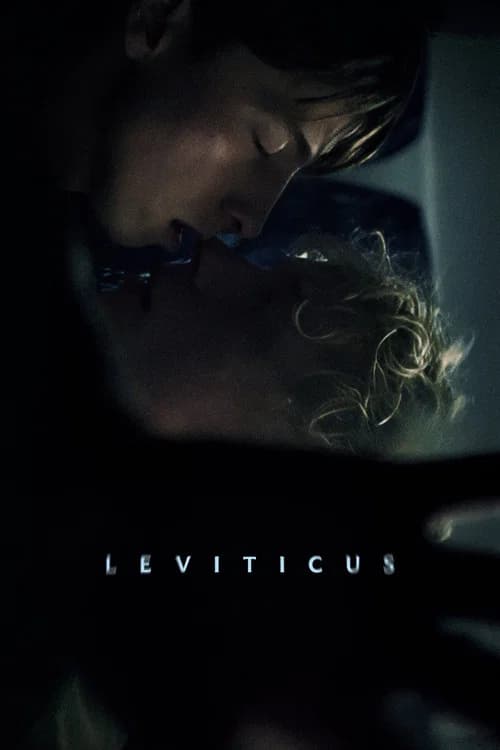
Leviticus is an upcoming horror film scheduled for release on June 18, 2026. The film follows two teenage boys who must escape a violent entity that takes the form of the person each desires most — each other.
Leviticus is scheduled to release on June 18, 2026.
The film follows two teenage boys who must escape a violent entity that takes the form of the person each desires most — each other.
Leviticus is a supernatural horror film.
Leviticus, a horror-romance from Causeway Films, Salmira Productions, and Screen Australia, is scheduled for release on June 17, 2026.
The premise is compact but pointed: two teenage boys find themselves hunted by a violent entity that assumes the physical form of whoever each boy desires most — which, in both cases, is the other. That recursive structure, where the threat and the longing are not merely adjacent but literally identical, is the engine the film appears to be built around. The desire becomes the danger; the person you want is the face of what will kill you.
Causeway Films carries a particular weight in this genre space. The Australian production company has previously worked in slow-burn, psychologically layered horror, and their involvement here alongside Salmira Productions and the backing of Screen Australia places Leviticus squarely within the tradition of Southern Hemisphere genre filmmaking that has grown considerably in critical visibility over the past decade. Screen Australia's participation also suggests the film qualifies as a domestically significant production under Australian funding criteria, even as it works in a genre — horror — that tends to travel internationally with relative ease compared to more culturally specific dramatic work.
The horror-romance combination is not a novel pairing, but it remains an unstable one. Films that attempt to hold genuine romantic feeling and genuine fear in equal measure often resolve the tension in favor of one at the expense of the other, collapsing into either a horror film with a subplot or a romance with a scary third act. What makes the premise of Leviticus structurally interesting is that the genre tension appears to be thematically intentional rather than incidental. The entity's behavior — mirroring desire back as threat — doesn't allow the film to choose sides between the romantic and the horrific. Both are the same object. That's a more constrained formal choice than simply interleaving scary sequences with tender ones, and it raises the question of whether the execution follows through on what the concept implies.
The film is in English, though the presence of Screen Australia funding and the Causeway Films imprint suggests Australian production, likely Australian setting or at least Australian cast and crew, even if country of origin is not formally specified in available materials. How much the film's geography and cultural specificity matter to its story — whether the landscape of Australia figures into the horror in any meaningful way, as it has in other Causeway-adjacent productions — is not established in what's currently known.
The two central characters are teenagers, which shapes not only the romantic dimension but the horror one. Adolescence has long functioned in horror as a period of permeable identity and unstable selfhood, where external threats map easily onto internal ones. A monster that wears the face of desire is a particularly adolescent nightmare in that respect: the confusion between want and fear, between the person you're drawn to and the person who might hurt you, is one that resonates most acutely at an age when those categories are still being sorted out. That the desire here is specifically queer — each boy wants the other — adds a layer that the genre has historically handled with varying degrees of care. The encoded quality of queer experience in horror is well-documented; monsters and the supernatural have frequently served as displaced expression of desires that couldn't be named directly. Leviticus appears to operate with that subtext surfaced and made explicit, which is a different formal and political choice than using it as atmosphere.
What the available materials don't clarify is the film's tone in execution. The logline is clean, but horror-romance exists on a wide spectrum — from the Gothic and elegiac to the viscerally brutal to something closer to dark fairy tale — and where Leviticus sits on that spectrum will determine a great deal about who finds it and how they receive it. Similarly, the precise mechanics of the entity are unspecified. Whether this is a creature-feature in the traditional sense, a psychological horror that keeps the threat ambiguous, or something that leans more into the supernatural architecture of folk horror is not established. The title itself, borrowed from the third book of the Hebrew Bible — a text associated in popular culture primarily with its proscriptions, including those against same-sex relations — suggests the film may be engaging deliberately with that resonance, though whether that is thematic scaffolding or simply evocative naming is an open question.
The early audience response, while drawn from a limited sample, shows a split between critical and general-audience reception that is worth noting. A metascore of 83 indicates strong critical enthusiasm; an IMDb user rating of 5.3 from under a thousand votes suggests a more divided popular response, though the vote count is low enough that those numbers remain genuinely provisional. That gap, if it persists, would be consistent with a film that is formally ambitious or tonally demanding in ways that reward certain viewers and frustrate others.
The film is currently available to rent or purchase through Amazon Video, Google Play Movies, YouTube, and Plex, with no streaming platform carrying it at no additional cost. That distribution profile — transactional but not subscription — is typical for a specialty genre film finding its audience in the months after theatrical release.
Viewers drawn to queer horror, to the Causeway Films back catalog, or to horror that treats its romantic material with structural seriousness rather than as decorative contrast are the most likely audience for Leviticus. For that group, the film's central conceit — desire and destruction occupying exactly the same form — offers something genuinely specific to sit with.
📈 TrendingObsession
HorrorMay 13, 2026
Obsession 🔥 Hot
Insidious: Out of the Further
HorrorAug 19, 2026
Insidious: Out of the Further
Never After Dark
HorrorJun 5, 2026
Never After Dark
Nightborn
HorrorJul 1, 2026
Nightborn ⭐ Popular
Pinocchio: Unstrung
HorrorJul 22, 2026
Pinocchio: Unstrung ⭐ Popular
Backrooms
HorrorMay 27, 2026
BackroomsSign in to join the conversation.