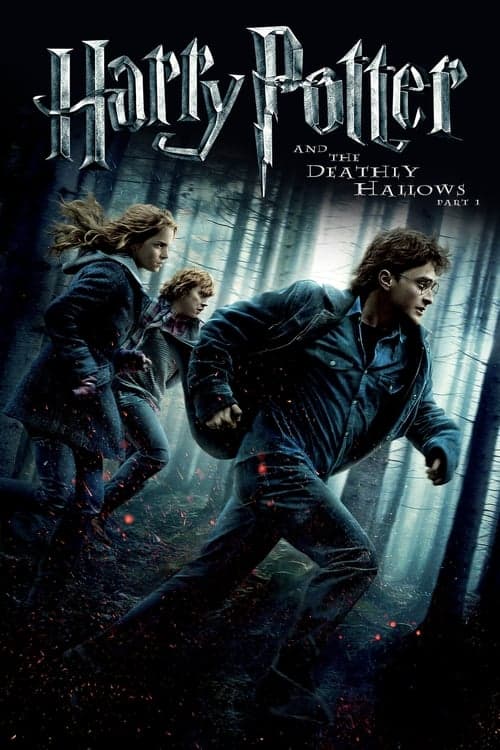
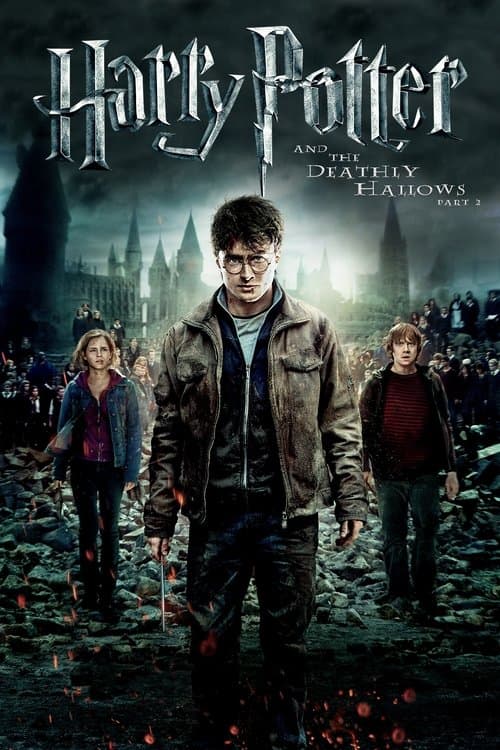
Harry Potter and the Deathly Hallows: Part 2
movie · prequel of
Harry Potter and the Deathly Hallows: Part 2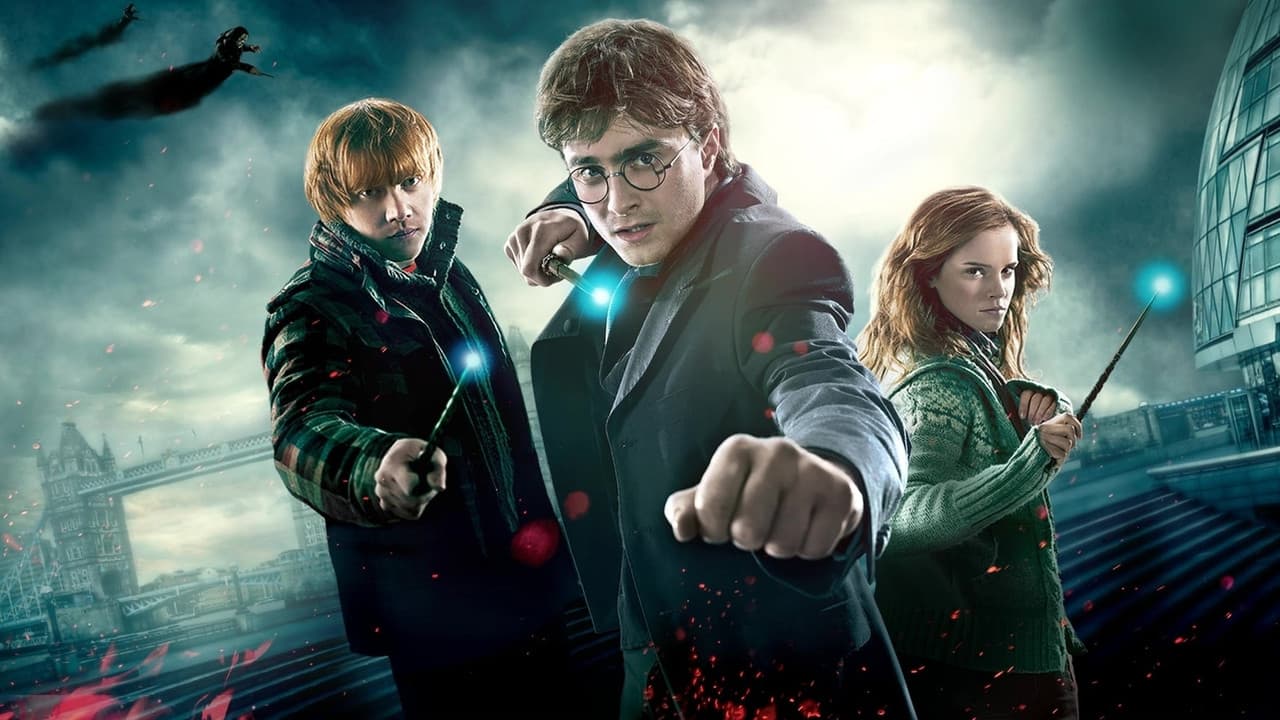
Details
Rating · Quality score from voters
Popularity · Search interest now
Based on TMDb activity
Daniel Radcliffe
Harry Potter

Emma Watson
Hermione Granger

Rupert Grint
Ron Weasley
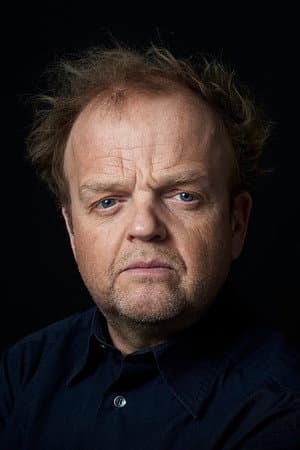
Toby Jones
Dobby (voice)

Helena Bonham Carter
Bellatrix Lestrange
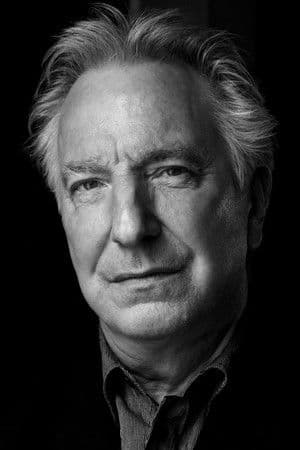
Alan Rickman
Severus Snape
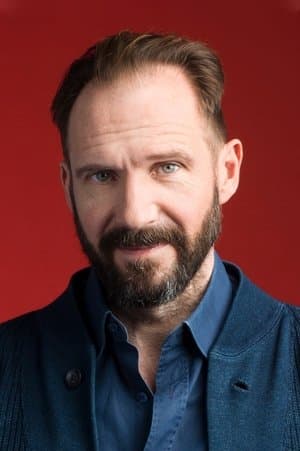
Ralph Fiennes
Lord Voldemort

Bill Nighy
Rufus Scrimgeour
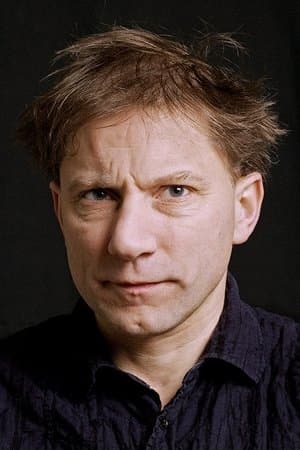
Simon McBurney
Kreacher (voice)
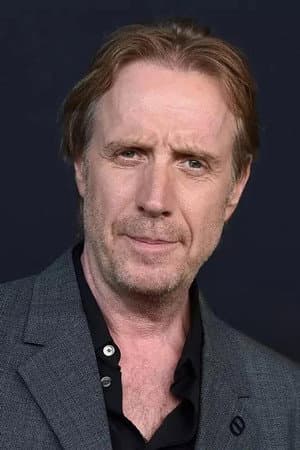
Rhys Ifans
Xenophilius Lovegood

Evanna Lynch
Luna Lovegood
Andy Linden
Mundungus Fletcher
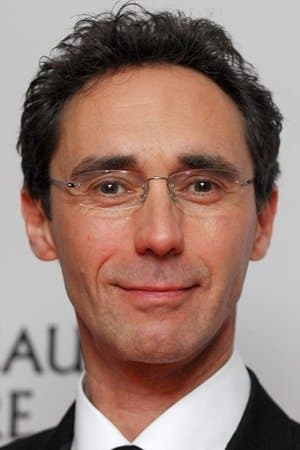
Guy Henry
Pius Thicknesse
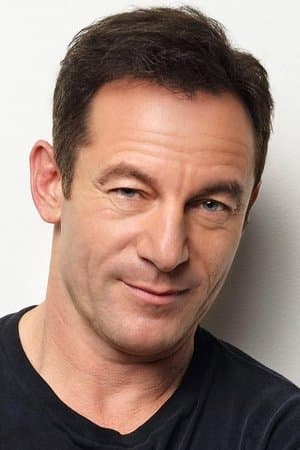
Jason Isaacs
Lucius Malfoy

Brendan Gleeson
Alastor 'Mad-Eye' Moody
Links may earn Incoming a commission at no extra cost to you. Streaming data via JustWatch — may not reflect today's catalog.
Incoming Editorial TeamVerified
Harry Potter and the Deathly Hallows: Part 1 is an adventure-fantasy film produced by Warner Bros. Pictures, releasing on November 17, 2010. It is the seventh installment in the Harry Potter film series and the first of a two-part finale.
The film releases on November 17, 2010. It was distributed theatrically by Warner Bros. Pictures and is now available on multiple streaming and digital rental platforms.
The film is available to stream on HBO Max, Peacock Premium, and YouTube TV. It can also be rented digitally through Amazon Video, Apple TV Store, and Google Play Movies.
It is the seventh film in the Harry Potter Collection franchise, based on J.K. Rowling's novel series. It is also the first of a two-part adaptation of the final book, with Part 2 serving as the concluding chapter.
The film is categorized as adventure and fantasy. It follows three central characters on a dangerous mission outside the confines of Hogwarts, with the threat of Voldemort and his Death Eaters as the primary conflict.
The film was produced and distributed by Warner Bros. Pictures. It is part of the long-running Harry Potter film series adapted from Rowling's novels.
Harry Potter and the Deathly Hallows: Part 1, produced by Warner Bros. Pictures and Heyday Films, opened in theaters on November 17, 2010, as the seventh installment in the Harry Potter Collection and the first half of a two-part conclusion to the series that began nearly a decade earlier.
The decision to split the final book into two theatrical films was the defining structural choice of this entry. By 2010, the franchise had trained audiences to expect a single film per volume — six books, six films, each self-contained enough to begin and end within a single sitting. Deathly Hallows broke that contract. Part 1 would not resolve its central conflict; it would, by design, leave Harry, Ron, and Hermione mid-mission, their objective unfinished, the world around them in demonstrable collapse. Whether that choice reflected fidelity to the source material, commercial calculation, or some combination of the two was a question that framed nearly all the critical conversation around the film before it arrived.
What the synopsis establishes is a deliberate departure from the institutional geography that had anchored the previous six films. Hogwarts, the castle whose rhythms — the school year, the sorting, the Quidditch pitch, the Great Hall — had organized every prior entry, is notably absent from the action described here. Harry, Ron, and Hermione have walked away from their final year at the school to pursue the destruction of Voldemort's Horcruxes, the objects in which he has distributed fragments of his soul to secure immortality. The three are not students on a school adventure. They are, functionally, fugitives and operatives, working outside any institutional protection. Dumbledore, the figure who had represented both moral authority and strategic guidance throughout the series, is dead. The Death Eaters, Voldemort's inner circle of followers, are described as operating openly. The world, in the film's own framing, is more dangerous than it has ever been across these eight films.
That tonal shift — from contained school drama with dark undertones to something closer to a wartime survival narrative — represents the most significant departure in the franchise's register. The previous films had maintained Hogwarts as a kind of gravitational center even as external threats escalated. Removing that center entirely, and placing the three central characters in an open and hostile landscape without institutional support, changes the texture of what the audience is watching. Adventure and fantasy remain the genre classifications, but the adventure here is not one of discovery; it is one of attrition.
The Horcrux plot, which had been building since Harry Potter and the Half-Blood Prince, becomes the explicit engine of this film. The mechanics are familiar to anyone who followed the series: Voldemort cannot be killed while fragments of his soul remain anchored to objects in the physical world. Identifying, locating, and destroying those objects is the precondition for any final confrontation. Part 1 stages the early, grinding work of that mission — the research, the movement, the cost — rather than its resolution, which is held for Part 2.
What remains genuinely open for a viewer approaching this film is how it handles the weight of its own incompleteness. A film structured to end without ending faces particular narrative challenges. It must provide enough forward momentum and internal dramatic shape to justify the theater visit while leaving the larger question — Voldemort's defeat or survival — entirely unresolved. How the filmmakers chose to impose an act structure on material that does not naturally close is one of the more interesting formal questions the film poses. The source material it draws from runs to roughly 750 pages; what was selected for this half versus the next, and where the cut between parts falls, shapes the entire experience of watching.
There are also questions the synopsis raises without answering. The description of the Death Eaters as "on the loose" is notably vague given that, by this point in the story's chronology, Voldemort's forces have effectively seized control of significant institutions in the wizarding world. The degree to which the film depicts that institutional capture — as opposed to foregrounding only the three protagonists' ground-level experience of danger — affects how politically legible the film is as a story about authoritarian consolidation, which is one reading the later books invite.
The film carries a TMDB vote average of 7.7 across more than 20,000 votes, suggesting a substantial and engaged audience response over the years since release. It is currently available to stream on HBO Max, Peacock Premium, Peacock Premium Plus, YouTube TV, and through the HBO Max Amazon Channel, and can be rented or purchased across Amazon Video, Apple TV, Google Play Movies, YouTube, Fandango At Home, Spectrum On Demand, and Plex.
The audience most likely to seek this out already has a relationship with the series — either through the books, the preceding films, or both — and is arriving specifically because this is where the long accumulation of the franchise begins its final movement. For that viewer, Part 1 functions less as a standalone film than as the first half of a single extended work, and its pleasures and frustrations are probably best understood in that light.
Harry Potter and the Deathly Hallows: Part 2
movie · prequel of
Harry Potter and the Deathly Hallows: Part 2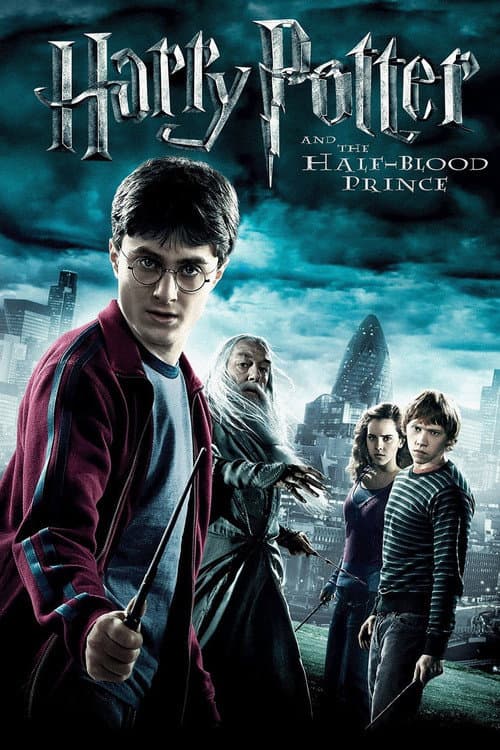
Harry Potter and the Half-Blood Prince
movie · prequel of
Harry Potter and the Half-Blood Prince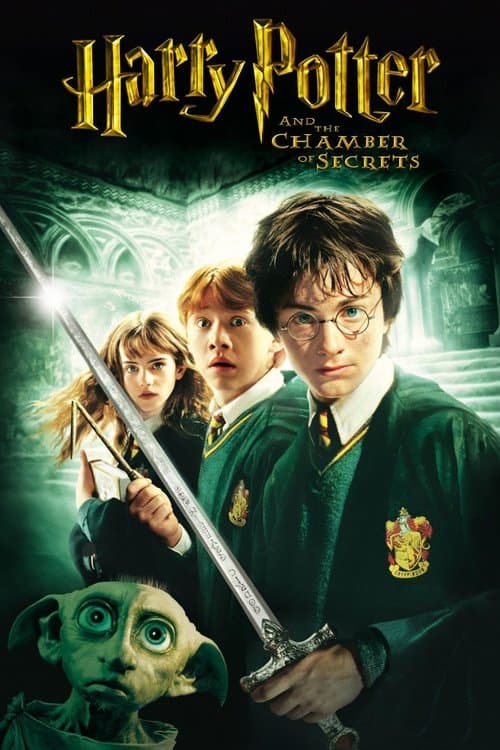
Harry Potter and the Chamber of Secrets
movie · prequel of
Harry Potter and the Chamber of Secrets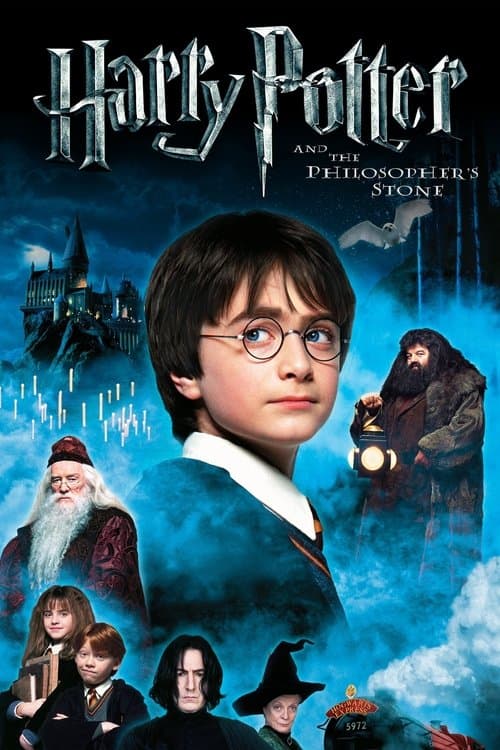
Harry Potter and the Philosopher's Stone
movie · prequel of
Harry Potter and the Philosopher's Stone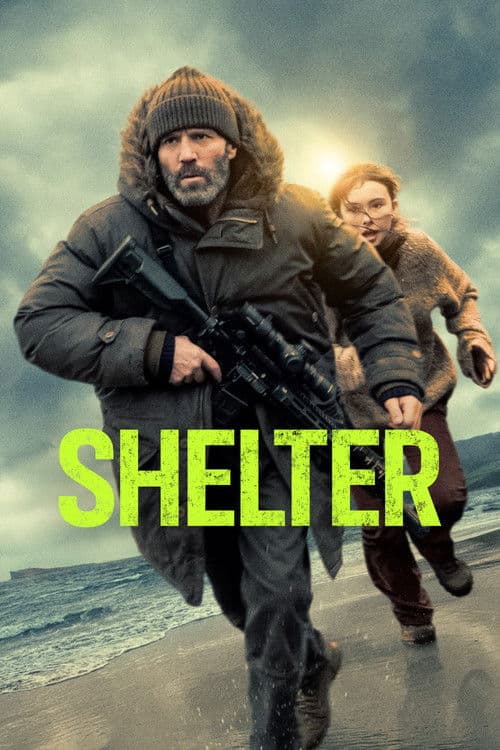
Shelter
ActionJan 28, 2026
Shelter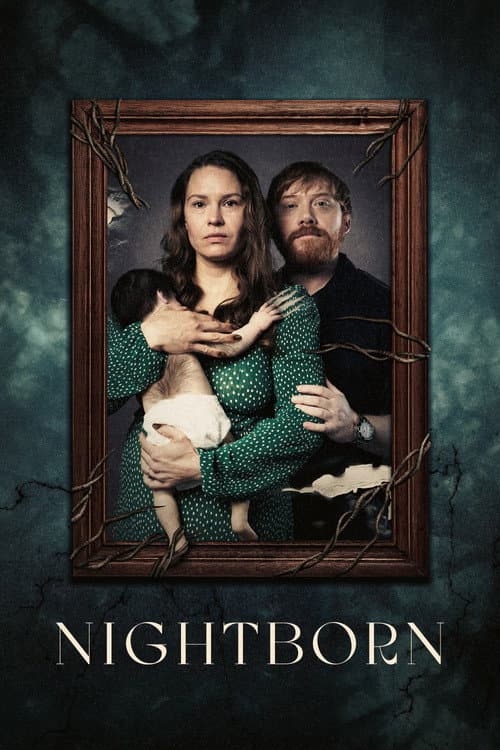
Nightborn
HorrorJul 1, 2026
Nightborn 📈 Trending
Demon Slayer: Kimetsu no Yaiba Infinity Castle
AnimationJul 18, 2025
Demon Slayer: Kimetsu no Yaiba Infinity Castle 🔥 Hot
Fall 2: Deadpoint
ThrillerSep 1, 2026
Fall 2: Deadpoint
Scream 7
HorrorFeb 25, 2026
Scream 7
Never After Dark
HorrorJun 5, 2026
Never After DarkSign in to join the conversation.