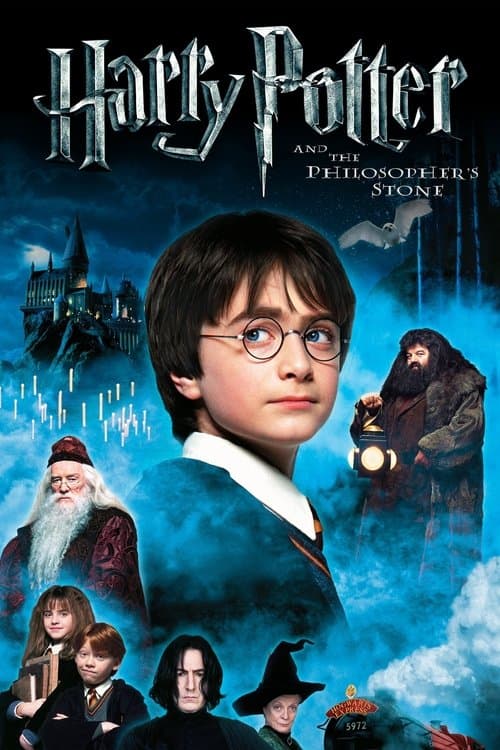
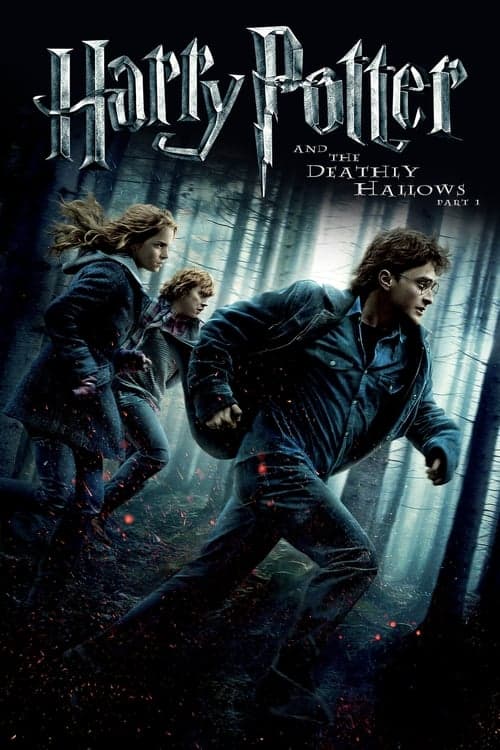
Harry Potter and the Deathly Hallows: Part 1
movie · prequel of
Harry Potter and the Deathly Hallows: Part 1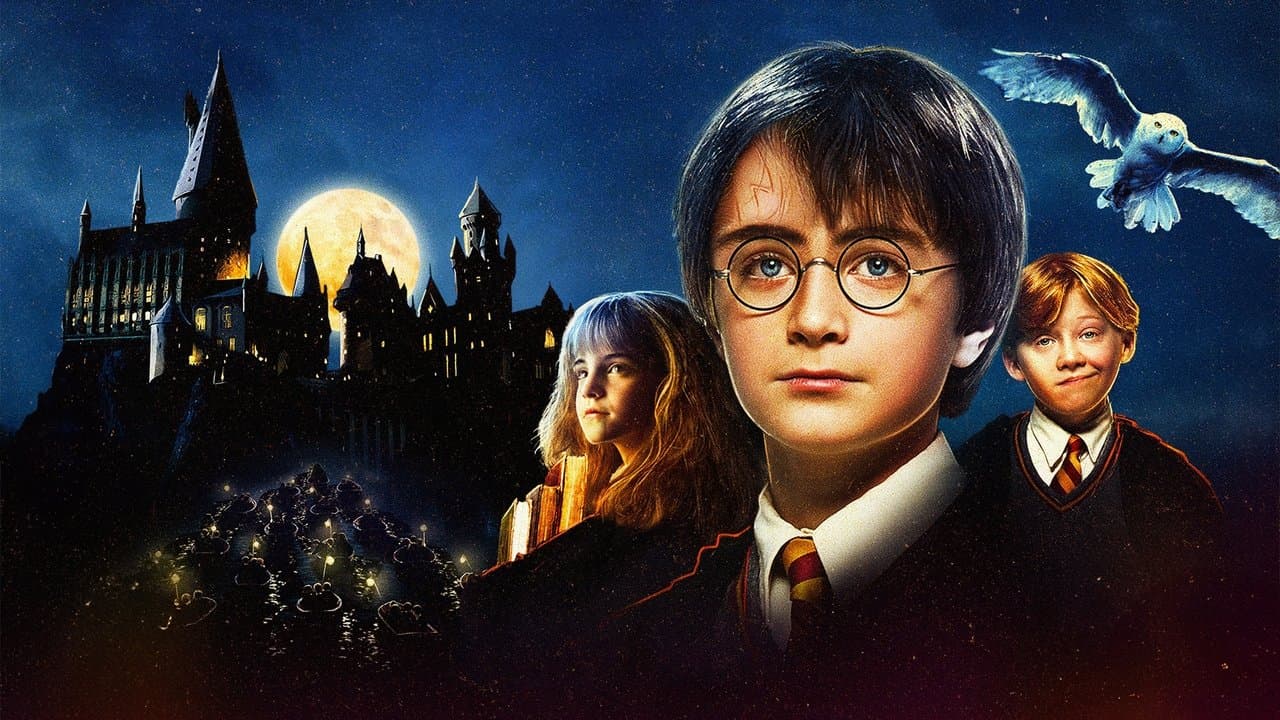
Details
Rating · Quality score from voters
Popularity · Search interest now
Based on TMDb activity
Daniel Radcliffe
Harry Potter

Rupert Grint
Ron Weasley

Emma Watson
Hermione Granger
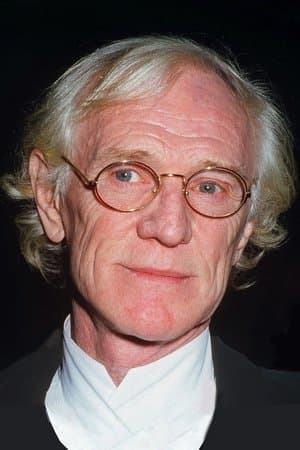
Richard Harris
Albus Dumbledore
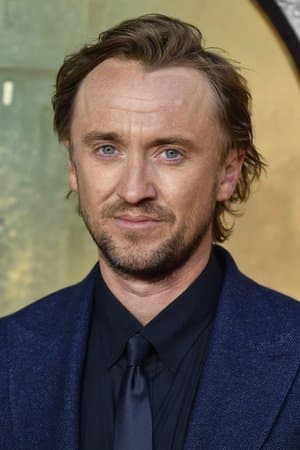
Tom Felton
Draco Malfoy
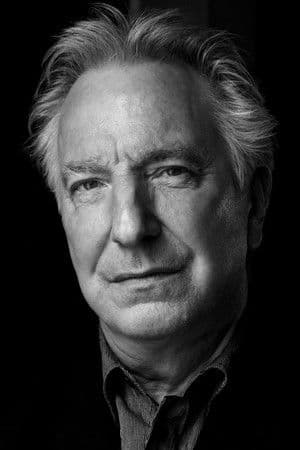
Alan Rickman
Severus Snape
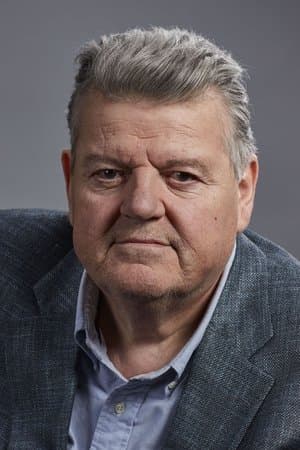
Robbie Coltrane
Rubeus Hagrid
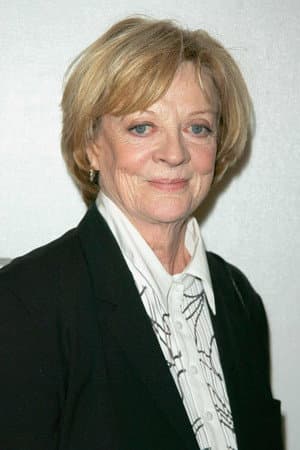
Maggie Smith
Minerva McGonagall
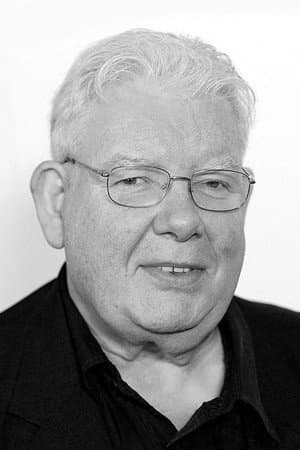
Richard Griffiths
Vernon Dursley

Ian Hart
Quirinus Quirrell
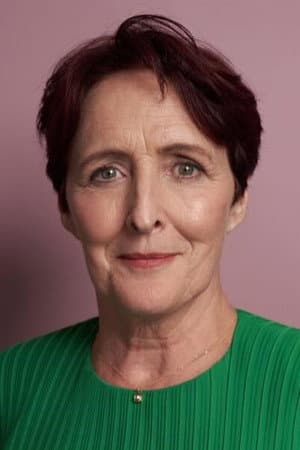
Fiona Shaw
Petunia Dursley
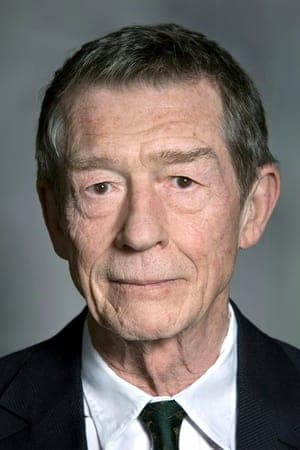
John Hurt
Mr. Ollivander
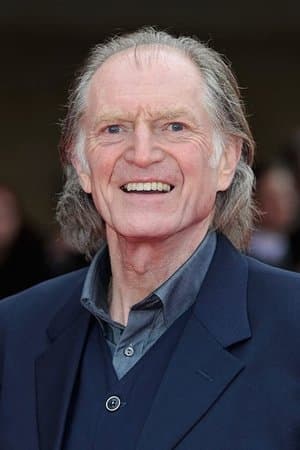
David Bradley
Argus Filch
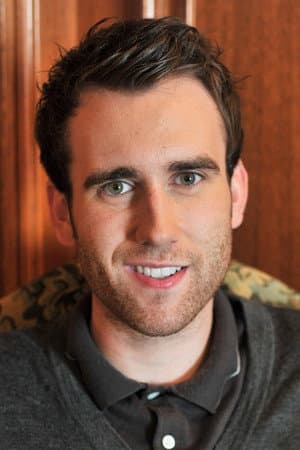
Matthew Lewis
Neville Longbottom
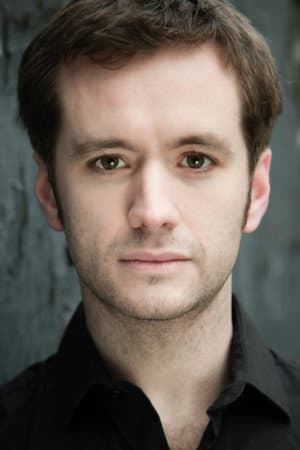
Sean Biggerstaff
Oliver Wood
Links may earn Incoming a commission at no extra cost to you. Streaming data via JustWatch — may not reflect today's catalog.
Incoming Editorial TeamVerified
Harry Potter and the Philosopher's Stone is a fantasy-adventure film produced by Warner Bros. Pictures, based on J.K. Rowling's novel of the same name. It follows an eleven-year-old boy who discovers he is a wizard and enrolls at Hogwarts School of Witchcraft and Wizardry. The film released on November 16, 2001.
Harry Potter and the Philosopher's Stone released on November 16, 2001. It is now widely available on streaming platforms and through digital rental services.
The film is available to stream on HBO Max, Peacock Premium, the HBO Max Amazon Channel, and Peacock Premium Plus. It can also be rented digitally through Amazon Video, Apple TV Store, and Google Play Movies.
Yes, it is the first film in the Harry Potter Collection, a franchise adapted from J.K. Rowling's book series. The series follows Harry Potter across multiple films throughout his years at Hogwarts.
The film is classified as fantasy and adventure. It centers on a young boy's discovery of a hidden world of magic, a school for witches and wizards, and a mystery tied to his own past.
The film was produced by Warner Bros. Pictures, which distributed the entire Harry Potter film series.
Harry Potter and the Philosopher's Stone, produced by Warner Bros. Pictures alongside Heyday Films and 1492 Pictures, opens in theaters on November 16, 2001. It is the first theatrical entry in what Warner Bros. is positioning as the Harry Potter Collection, a franchise adaptation of J.K. Rowling's publishing phenomenon that by the time of the film's production had already sold tens of millions of copies across multiple countries and translations.
The premise is familiar to anyone who has spent time near a bookstore or a primary school in the past few years. Harry Potter has spent his childhood in a cupboard under the stairs of his aunt and uncle's house, unaware of his own history. On his eleventh birthday, he learns that he is a wizard, that his parents did not die in a car accident as he had been told, and that a place has been reserved for him at Hogwarts School of Witchcraft and Wizardry. What follows, at least in the novel's telling, is a school-year narrative in which Harry adjusts to a hidden world, develops friendships, and begins to understand the connection between his parents' deaths and a villain whose identity and motives form the story's central mystery. The film takes that source material — a children's adventure novel operating within a British boarding-school tradition grafted onto high fantasy — and transposes it to the screen.
Adapting a book with this level of readership creates a specific kind of challenge that is worth naming plainly. The audience arriving on opening weekend will include a substantial proportion of people who have already formed precise mental images of the characters, the castle, the sports played on broomsticks, and the particular texture of the magical objects involved. The film's production design and casting will be measured immediately and without mercy against those interior pictures. That is not a problem unique to this adaptation — it is the condition under which any beloved-book adaptation operates — but the scale of the readership here makes it unusually acute. The source novel was aimed at children but read widely by adults, which means the film is effectively trying to satisfy two audiences whose tolerance for departure from the source may differ considerably.
What remains genuinely open heading into release is how the filmmakers have resolved the novel's pacing on screen. The book moves through a school year in episodic fashion, introducing rules, characters, and lore in sequences that function partly as world-building infrastructure. That architecture works in prose, where a reader can pause and absorb. Whether it translates to a satisfying theatrical rhythm — whether the film feels like a story with momentum or like an illustrated tour of a setting — is a question the marketing materials, which have leaned heavily on visual spectacle and recognizable scenes, have not answered. The trailers emphasize the wonder of arrival: the great hall, the owl post, the moving staircases. They are less forthcoming about how the film handles the mystery plotting in its second half, where the novel shifts register from school comedy to something with genuine stakes and a villain whose menace the book earns gradually.
The casting, which has been reported extensively, places largely unknown child actors at the center of the film while surrounding them with established British stage and screen performers. How that combination holds under the demands of a two-hour narrative is another variable. Child performances in fantasy films have a long and uneven history; the genre tends to demand a kind of earnest conviction that is difficult to calibrate, and the surrounding adult talent can either support or inadvertently overwhelm it. The film's adventure and fantasy genre classification suggests it is aiming at the emotional register of the source — wonder, menace, loyalty, loss — rather than any ironic distance from those feelings.
The Rotten Tomatoes score of 80 and a Metascore of 65 indicate that critical reception, at the time of this writing, was reasonably warm without being rapturous — a spread that suggests reviewers found the film competent and faithful while some found it overly cautious or literal in its approach to the material. The IMDB rating of 7.7 across more than 900,000 votes points to durable audience affection over the intervening years, which is a different data point than opening-weekend enthusiasm and says something about how the film has settled into the culture rather than how it was received as a piece of new cinema.
For viewers who already know the book, the primary draw will be the chance to see whether the world they have been carrying in their heads has been rendered with any fidelity or surprise. For viewers who do not, the film offers an entry point into a franchise that will extend well beyond this first installment, making it the kind of release that functions simultaneously as a standalone story and as an extended introduction. Those looking for the film on home platforms will find it available for streaming on HBO Max and Peacock Premium, with rental and purchase options across Amazon Video, Apple TV, Google Play Movies, YouTube, and Fandango At Home.
Harry Potter and the Deathly Hallows: Part 1
movie · prequel of
Harry Potter and the Deathly Hallows: Part 1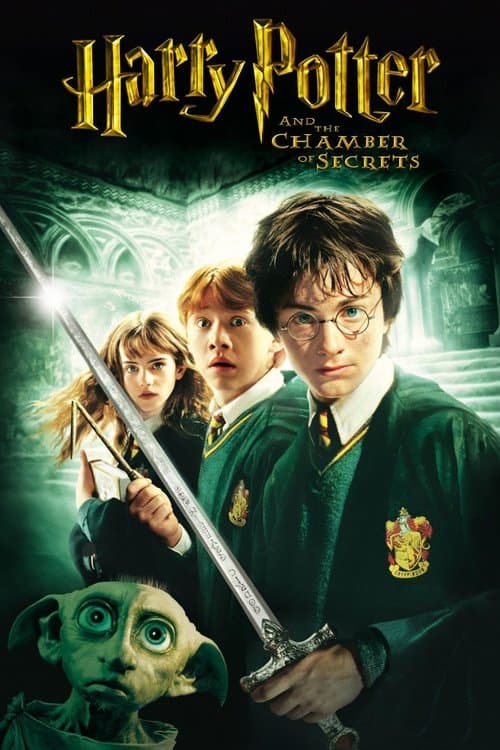
Harry Potter and the Chamber of Secrets
movie · prequel of
Harry Potter and the Chamber of SecretsSign in to join the conversation.