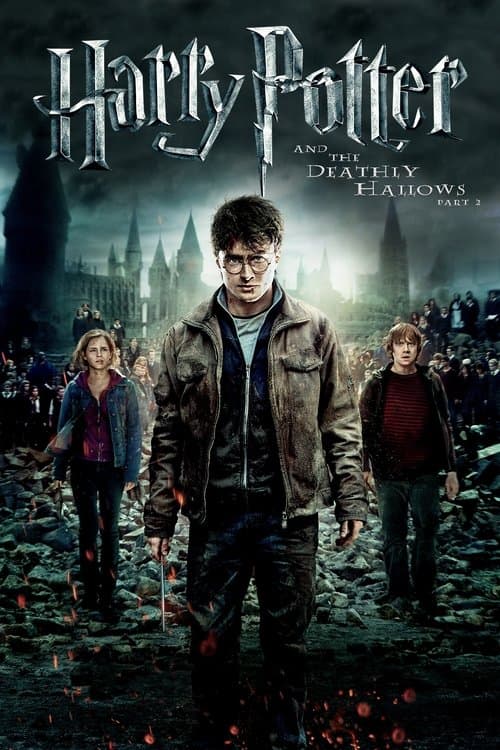
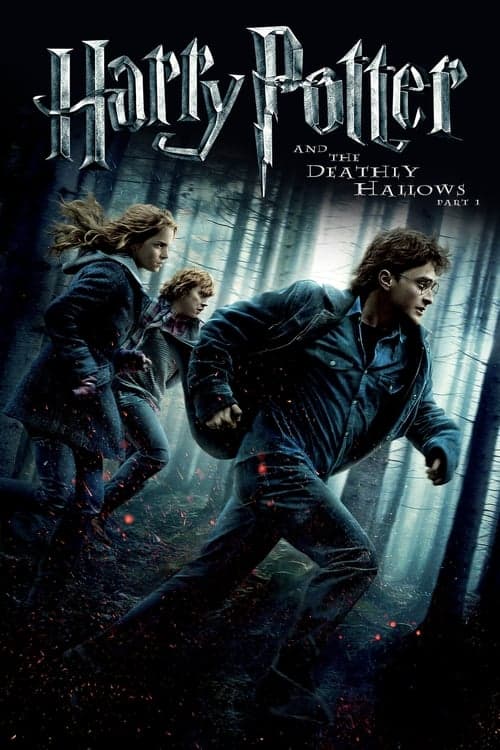
Harry Potter and the Deathly Hallows: Part 1
movie · prequel of
Harry Potter and the Deathly Hallows: Part 1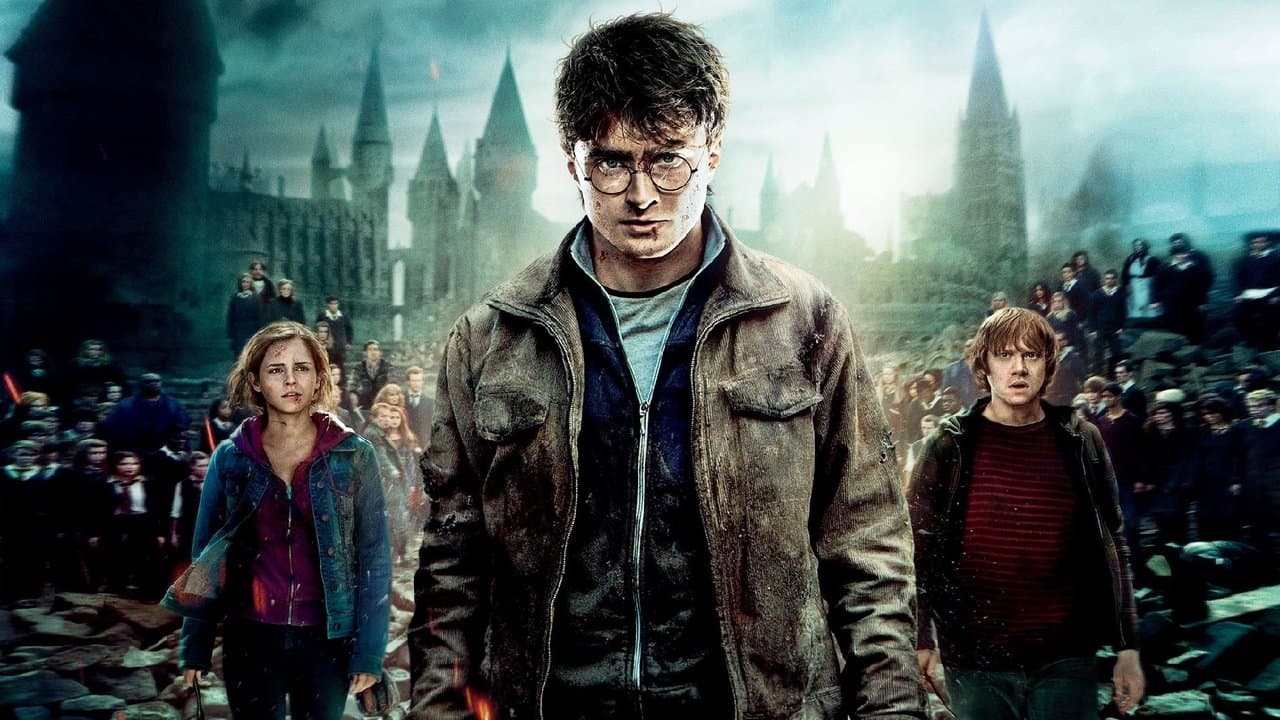
Details
Rating · Quality score from voters
Popularity · Search interest now
Based on TMDb activity
Daniel Radcliffe
Harry Potter

Emma Watson
Hermione Granger

Rupert Grint
Ron Weasley
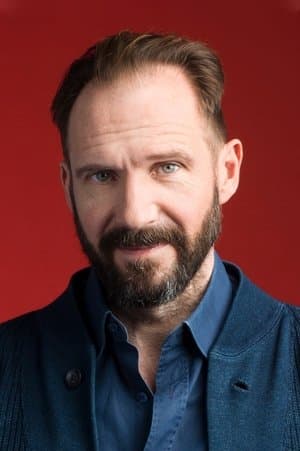
Ralph Fiennes
Lord Voldemort
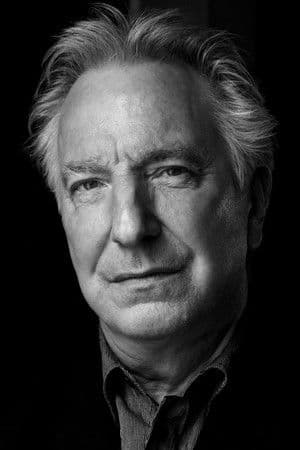
Alan Rickman
Severus Snape
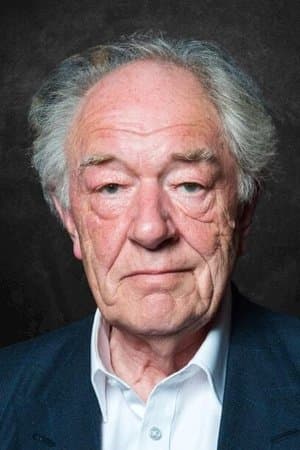
Michael Gambon
Albus Dumbledore

Warwick Davis
Griphook / Filius Flitwick

Helena Bonham Carter
Bellatrix Lestrange
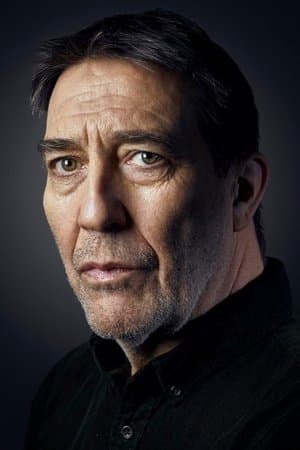
Ciarán Hinds
Aberforth Dumbledore
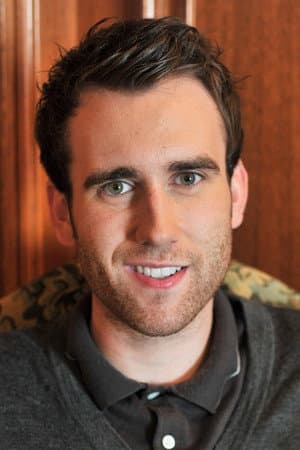
Matthew Lewis
Neville Longbottom
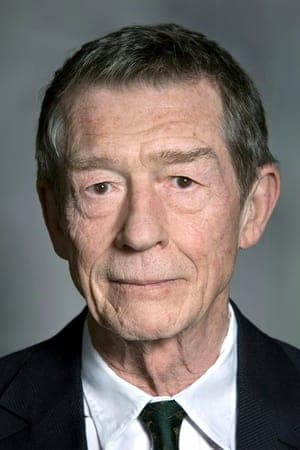
John Hurt
Ollivander

Evanna Lynch
Luna Lovegood
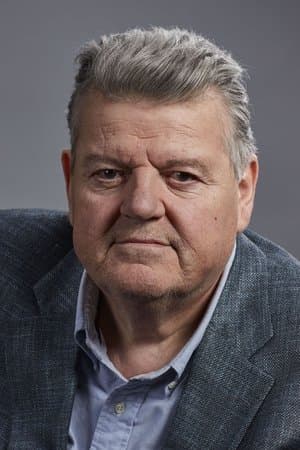
Robbie Coltrane
Rubeus Hagrid

Kelly Macdonald
Helena Ravenclaw
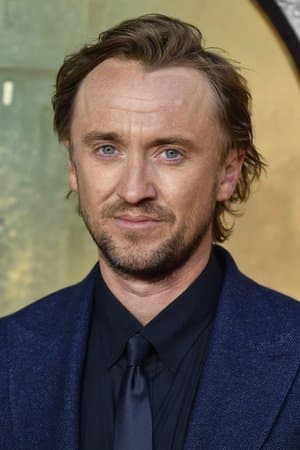
Tom Felton
Draco Malfoy
Links may earn Incoming a commission at no extra cost to you. Streaming data via JustWatch — may not reflect today's catalog.
Incoming Editorial TeamVerified
Harry Potter and the Deathly Hallows: Part 2 is the eighth and final installment in the Harry Potter film series, produced by Warner Bros. Pictures. It releases on July 12, 2011, and follows Harry, Ron, and Hermione in their concluding effort to defeat Voldemort.
The film releases on July 12, 2011, through a theatrical distribution by Warner Bros. Pictures. It is the concluding chapter of the eight-film Harry Potter series.
The film is available to stream on HBO Max, Peacock Premium, and YouTube TV. It can also be rented digitally through Amazon Video, Apple TV Store, and Google Play Movies.
It is the eighth and final film in the Harry Potter Collection franchise. The film is also the direct continuation of Harry Potter and the Deathly Hallows: Part 1, together adapting the final novel in J.K. Rowling's series.
The film falls within the adventure and fantasy genres. It centers on a conflict between a young wizard and a dark antagonist, set within a fictional magical world established across the preceding seven films.
The film was produced and distributed by Warner Bros. Pictures, which handled the entire eight-film Harry Potter series.
Harry Potter and the Deathly Hallows: Part 2, produced by Warner Bros. Pictures and Heyday Films, arrives in theaters on July 12, 2011, as the eighth and final installment in the Harry Potter Collection — a franchise that has occupied multiplexes, and considerable cultural real estate, since the release of the first film a decade prior.
The film picks up directly from where its predecessor left off, with Harry, Ron, and Hermione still in the middle of their search for the objects that make Voldemort effectively indestructible. The particular turn this chapter takes involves a trio of magical objects — the Deathly Hallows of the title — that the narrative positions as a potential counter to Voldemort's accumulated power. That the heroes have spent most of their time on the run, isolated and outmatched, makes the discovery of these objects a structural pivot point for how the story resolves itself. Part 1 was, by design, a film about deferral and accumulation of dread. Part 2, at least according to what the source material and marketing have established, is about release.
The decision to split the final book into two films was one of the more consequential choices Warner Bros. made during this franchise's long run. It was a commercially legible move — two theatrical releases instead of one — but it also had a defensible artistic rationale. J.K. Rowling's final novel is dense with plot threads, character resolutions, and a climax that depends heavily on backstory accumulated across the previous six books. A single film would have required compressions that might have alienated the very audience the series spent years cultivating. Part 1 functioned almost as an extended second act. Part 2, then, carries the full weight of closure — not just for one film, but for a franchise that spans eight features and roughly a decade of continuous production.
That kind of institutional momentum is unusual in commercial filmmaking. The Harry Potter series maintained a single production company — Heyday Films, alongside Warner Bros. — across all eight films, which gave it a continuity of infrastructure that few franchises of comparable scale can claim. The creative team cycled over the years, with different directors and cinematographers shaping the visual register of each film, but the underlying production apparatus remained consistent. What that means for Part 2, practically, is that it arrives not as a reboot or a soft reset but as a direct continuation, made by people who have been working within this specific world for years.
The source description notes that things look hopeless for the young protagonists before Harry's discovery of the three objects changes the calculus. That framing is somewhat compressed — the actual mechanics of how the Deathly Hallows function, and what it means to "rival" Voldemort's skills, are questions the film will presumably spend some portion of its runtime answering. The marketing for this kind of finale-installment tends to foreground spectacle and emotional resolution, neither of which tells an audience much about pacing or how satisfying the explanatory work will feel. Audiences who found the first part methodical may be watching closely to see how much of Part 2's runtime is devoted to action set pieces versus the quieter expository and character work the books contain. A film obligated to end eight films' worth of narrative has competing pressures on its structure that a standalone feature does not.
There is also the matter of Voldemort himself. The source description refers to his "formidable skills" in terms that suggest the film is calibrating audience expectations around a genuine threat — the villain is not merely present but specifically described as powerful enough that Harry requires extraordinary objects to oppose him. How that opposition gets dramatized, whether through confrontation, sacrifice, or some combination the film hasn't disclosed in its official materials, is one of the genuinely open questions heading into release. The title's emphasis on the Deathly Hallows suggests those objects are the conceptual center, but the mechanics of the finale's resolution are not spelled out in the metadata available here.
The TMDB vote average of 8.08 across more than twenty-two thousand votes will be a figure familiar to anyone tracking audience reception of the series. Whether that score reflects the film's quality in isolation or the cumulative satisfaction of a franchise conclusion is a distinction those numbers cannot make. What it does suggest is that the film accrued a substantial and largely positive audience response over the years since release — though for a preview, the more relevant observation is simply that the film arrives with the weight of a large, invested viewership behind it.
For practical purposes, the film is available to stream on Peacock Premium, Peacock Premium Plus, HBO Max, HBO Max Amazon Channel, and YouTube TV, with rental and purchase options across Amazon Video, Apple TV Store, Google Play Movies, YouTube, Fandango At Home, Spectrum On Demand, and Plex. The audience most likely to seek it out now is either completing a franchise rewatch, arriving at the series for the first time and finishing what they started, or returning specifically to this installment because it is where the long-deferred resolution finally lands — which, after seven prior films, is reason enough.
Harry Potter and the Deathly Hallows: Part 1
movie · prequel of
Harry Potter and the Deathly Hallows: Part 1Sign in to join the conversation.