






 ⭐ Popular
Outlander
DramaAmericanAug 9, 2014
Outlander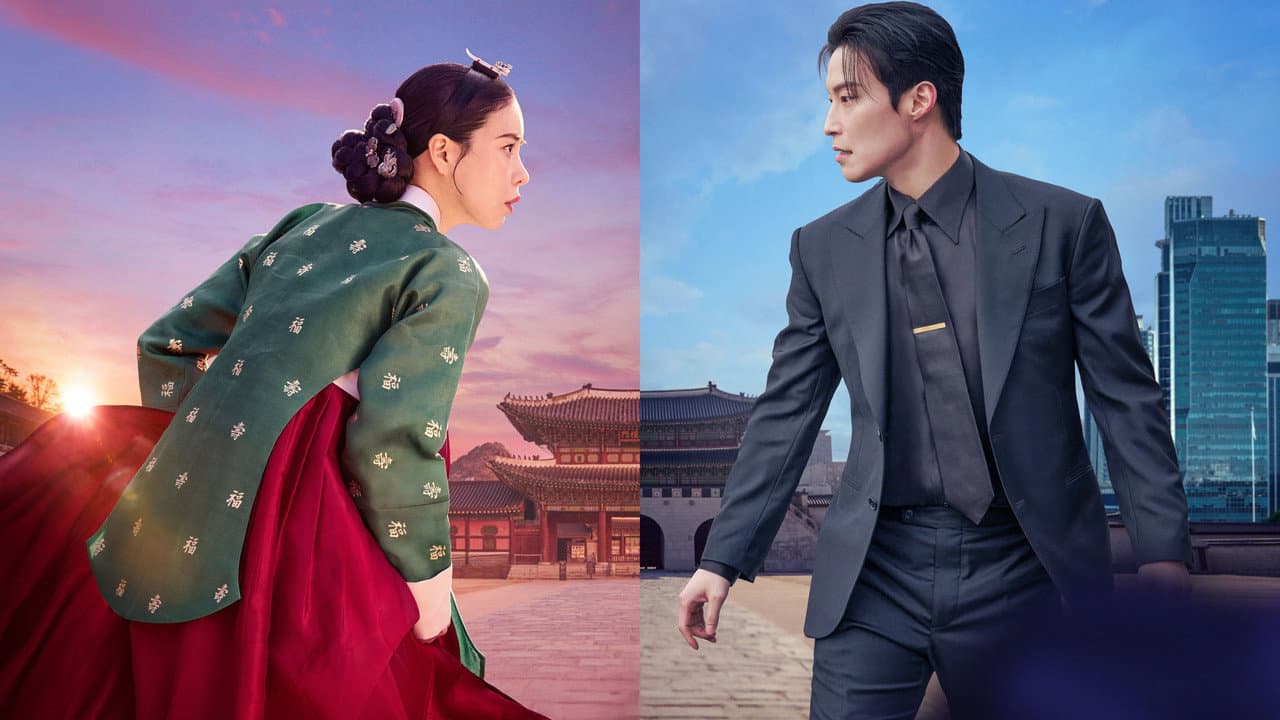
 Hot
Details
Popularity · Search interest now
Based on TMDb activity
Hype score
leaderboard →My Royal Nemesis captures the top 15% of Wikipedia interest in television.
Not currently available for streaming or purchase.
Links may earn Incoming a commission at no extra cost to you.
Incoming Editorial TeamVerified
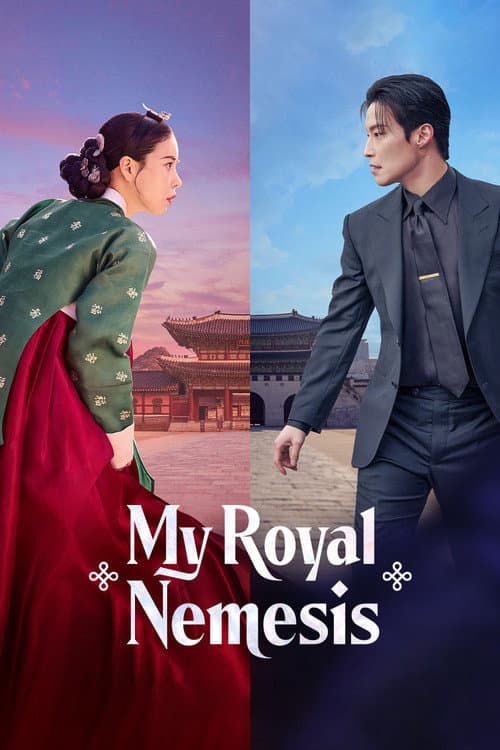
My Royal Nemesis (멋진 신세계) is an upcoming Korean-language television series releasing on May 8, 2026. The show follows a legendary Joseon villainess reincarnated in the body of a modern actress, who clashes with a cold-blooded chaebol heir in a love-hate romance spanning centuries.
My Royal Nemesis is scheduled to release on May 8, 2026.
The series follows a legendary Joseon villainess reincarnated in a modern actress's body who clashes with a cold-blooded chaebol heir in a chaotic love-hate romance across centuries.
The Korean title is 멋진 신세계.
My Royal Nemesis is a Korean-language series.
On May 8, 2026, the South Korean series My Royal Nemesis — subtitled 멋진 신세계 — arrives as a 14-episode, single-season production from Studio S and Gil Pictures. Shot in Korean and originating from South Korea, the show blends drama, comedy, and sci-fi/fantasy elements around a premise that is, by any measure, architecturally ambitious: a notorious villainess from the Joseon dynasty finds herself reincarnated inside the body of a contemporary actress, and the resulting identity collision sets her on a collision course with a cold-blooded chaebol heir. What follows, according to the show's premise, is a love-hate romance that the series frames as something stretching across centuries.
The reincarnation conceit is not new to Korean television. The genre has long embraced metempsychosis and time-displacement as narrative engines — tools for loading contemporary relationships with historical grievance, class memory, and the kind of grudges that feel cosmically inevitable rather than merely personal. What distinguishes the setup here is its specific pairing of a Joseon-era villainess — not a tragic queen or a misunderstood noble, but explicitly a figure coded as antagonist within her original historical context — with a modern entertainment-industry body. That choice introduces an inherent tension between surface and interior that the show will presumably need to sustain across all 14 episodes: the actress's public persona as a professional performer, and the centuries-old consciousness navigating it from within.
The chaebol counterpart is equally familiar in outline. The cold, wealthy heir is one of the most durable figures in Korean romantic drama, functioning less as a character type and more as a structural position — the person whose emotional unavailability the narrative is organized around dismantling. Placing him opposite a woman who is herself operating across two timelines, two identities, and two sets of social codes gives the dynamic a particular asymmetry. She carries historical context he cannot access; he possesses present-tense power she is still learning to read. Whether the series uses that asymmetry for comedy, for genuine emotional friction, or simply as a recurring gag depends entirely on how the writers have calibrated the balance across the episode count.
Fourteen episodes is a moderately compact run for a Korean drama with this much conceptual scaffolding. It suggests the production has made some deliberate choices about pacing — avoiding the elongation that can afflict longer series in the genre when romantic tension is stretched well past its structural load-bearing capacity. Whether 14 episodes is enough to fully develop both the Joseon backstory and the modern romance is one of the more practical questions the show will have to answer early. The villainess origin — what she actually did, why she was a villainess by the standards of her era, what her original conflict with the chaebol's presumed past-life equivalent might have been — is precisely the material that can make or break this kind of dual-timeline structure. If the historical layer is sketchy, the reincarnation becomes decorative. If it's rendered with genuine specificity, it recontextualizes every contemporary scene.
Studio S and Gil Pictures are the production entities behind the series, though the input data doesn't specify the writers, directors, or lead cast. That absence is notable at this stage of the marketing cycle. Cast announcements are typically among the first pieces of information to circulate for a Korean drama of this genre, since much of the audience self-selection for romantic fantasy series happens at the casting level — specific actors carry dedicated followings that will engage with a show regardless of premise, while the premise itself tends to draw viewers more interested in the structural genre pleasures than in any individual performer. Without cast information currently available, it is harder to predict which of those two audiences this production is primarily targeting, or whether it expects both.
The subtitle 멋진 신세계 is worth pausing on. Translated literally, it reads as something close to "Brave New World" — or more colloquially, "wonderful new world." The reference, whether to Aldous Huxley's novel or simply to the underlying Shakespeare source that Huxley was himself quoting, introduces an ironic register that the main title does not. My Royal Nemesis is combative and arch; 멋진 신세계 is either utopian or deeply sardonic, depending on framing. Miranda's original line in The Tempest was spoken in naïve wonder at a world she did not yet understand was corrupt. A Joseon villainess arriving inside a modern body and encountering a world of entertainment contracts, chaebol boardrooms, and contemporary social media would have obvious reason to feel that same mixture of wonder and dawning comprehension. Whether the show leans into that irony or simply uses the subtitle as a tonal flavor note is not yet clear.
The sci-fi/fantasy genre tag alongside drama and comedy signals that the series is positioning itself as genre-comfortable rather than prestige-adjacent — it is not asking viewers to accept the reincarnation premise as metaphor. This is a show in which the supernatural mechanics are presumably literal and consequential, not merely emotional shorthand. That generic honesty tends to attract an audience already fluent in the conventions: viewers who understand that a character's inexplicable knowledge of swordsmanship, or a sudden shift in bearing that unnerves everyone in the room, is the show doing its work rather than a continuity error.
That audience — familiar with the Joseon-to-modern reincarnation subgenre, interested in antagonist-coded female leads, and comfortable with a comedic register alongside genuine romantic tension — is the natural constituency for My Royal Nemesis when it arrives in May 2026. Whether it finds viewers beyond that core will depend on how fully Studio S and Gil Pictures have developed the historical material underpinning a premise that is only as interesting as the specific villainess at its center.
Looking for the best K-dramas right now? From an intense school thriller to a chaotic fantasy rom-com, here are 5 top Korean shows ranked by real audience interest this July.
⭐ PopularOutlander
DramaAmericanAug 9, 2014
Outlander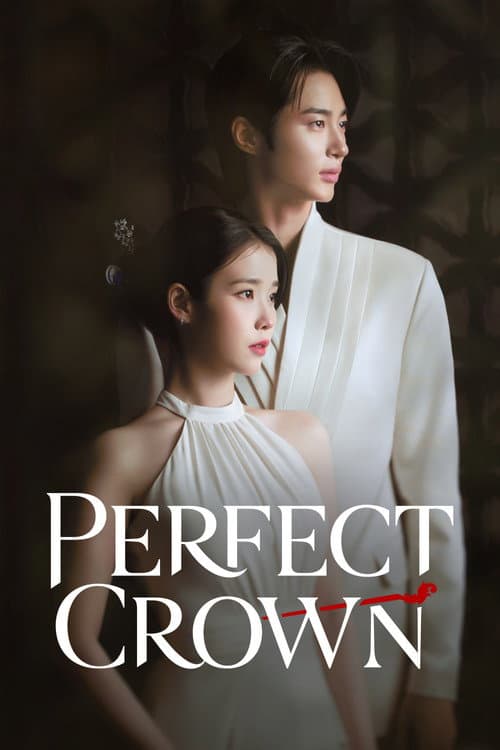
Perfect Crown
ComedyKoreanApr 10, 2026
Perfect Crown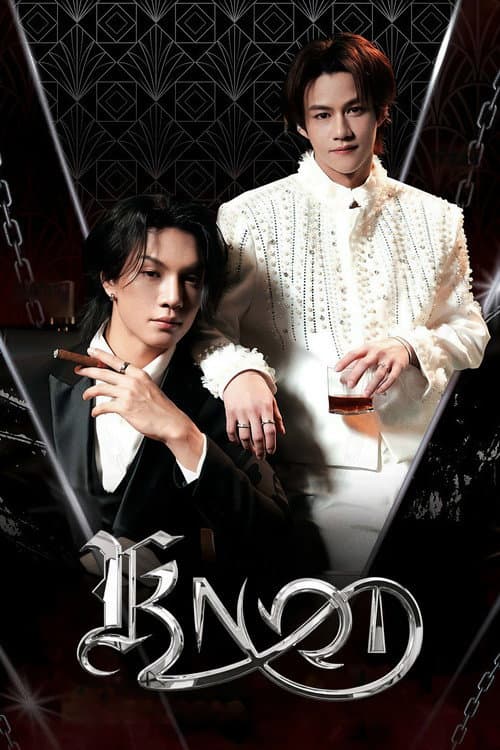
Knot
DramaThaiJun 30, 2026
Knot
Our Sticky Love
DramaKoreanAug 7, 2026
Our Sticky Love 📈 Trending
Widow's Bay
DramaAmericanApr 28, 2026
Widow's Bay
Half Man
DramaBritishApr 28, 2026
Half ManSign in to join the conversation.