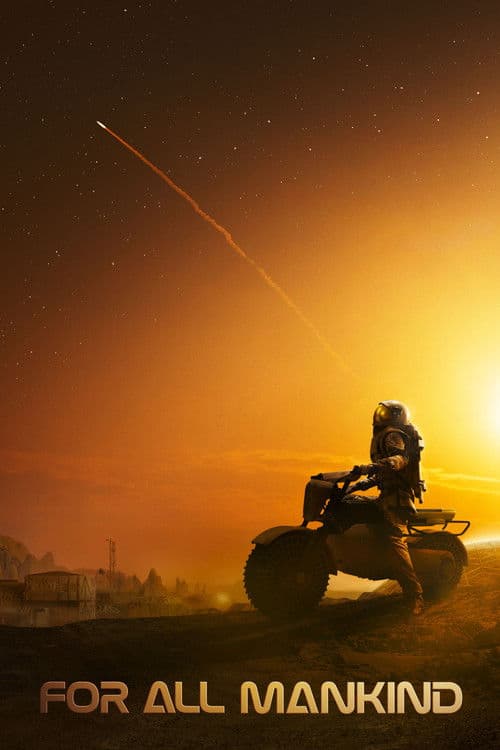
For All Mankind
DramaAmericanNov 1, 2019
For All Mankind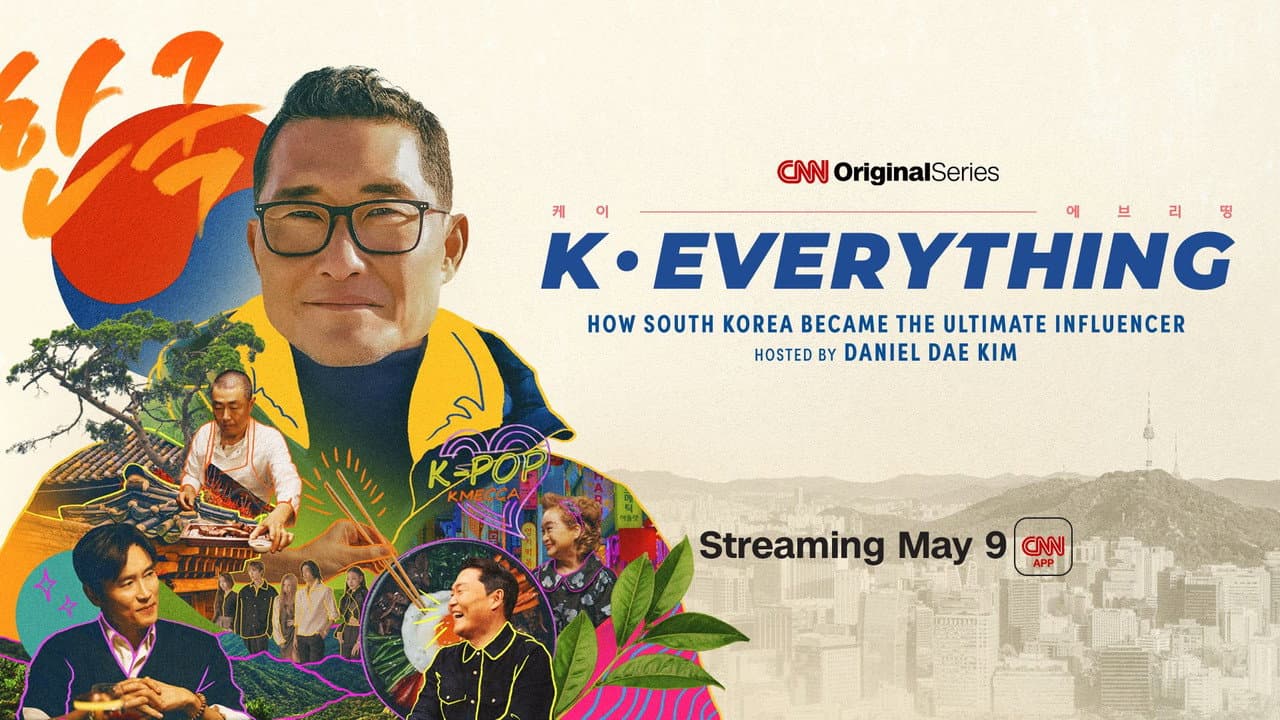
 Warm
Details
Popularity · Search interest now
Based on TMDb activity
Not currently available for streaming or purchase.
Links may earn Incoming a commission at no extra cost to you.
Incoming Editorial TeamVerified
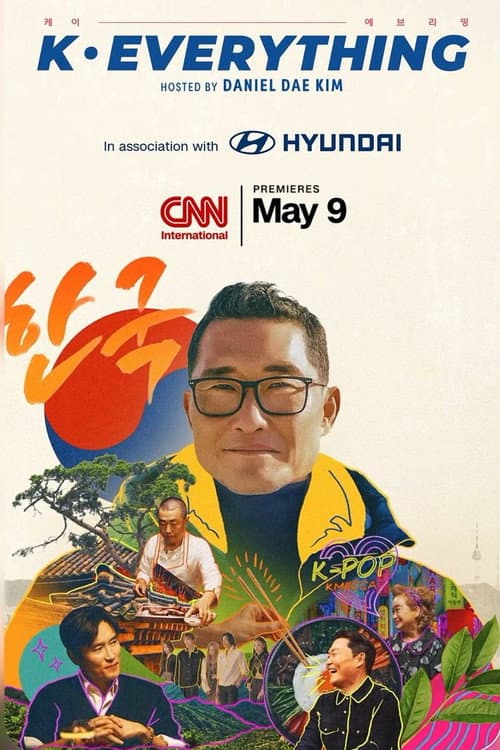
K-Everything is an English-language television series hosted by Daniel Dae Kim that examines Korea's influence across music, film, food, and beauty on a global scale. It is scheduled to release on May 9, 2026.
K-Everything is scheduled to release on May 9, 2026.
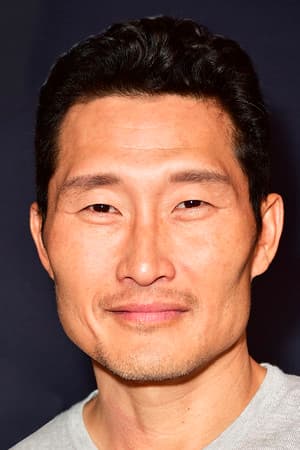
K-Everything is hosted by Daniel Dae Kim.
The series explores Korea's influence in music, film, food, and beauty industries and their impact on global culture.
There is a moment, now almost impossible to pinpoint precisely, when Korean culture stopped being a niche enthusiasm and became ambient — when a Busan-set thriller could win the Academy Award for Best Picture, when a four-piece idol group could sell out stadiums on every continent, when a particular ten-step skincare regimen could colonize the beauty aisles of pharmacies from Minneapolis to Manchester. K-Everything, a four-episode documentary series hosted by Daniel Dae Kim, arrives on May 9, 2026, and proposes to examine that transformation as a coherent, interconnected phenomenon rather than a collection of separate viral moments.
The series is an American production, filmed in English, which is itself a meaningful framing choice. The story of Korean cultural influence is, in large part, a story told from outside Korea — through the reactions, adoptions, and occasional misreadings of audiences who encountered K-pop, Korean cinema, K-beauty, and Korean food without necessarily having any prior relationship to the country or its history. Anchoring the project in an American production context while centering it on Korean subject matter mirrors the very dynamic the series intends to document: a foreign culture absorbed, reinterpreted, and enthusiastically claimed by audiences who built their own relationships to it from a distance.
Daniel Dae Kim, the host, is a recognizable figure in American television — Korean-American, with a career that has made him one of the more prominent Asian faces in English-language screen entertainment. His presence here is not incidental. A host who sits between Korean heritage and American mainstream visibility is reasonably well-positioned to move between insider context and outsider perspective, which is presumably the register this kind of cultural survey requires. Whether the series leans into that dual position analytically, or uses it primarily as a presentational device, is one of the things four episodes will have to demonstrate.
The four-episode structure is worth pausing on. Korean popular culture, even narrowly defined, is an enormous subject. Music, film, food, and beauty — the four industries named in the show's description — each carry their own industrial histories, their own complex relationships to Korean government cultural policy (the so-called "hallyu" or Korean Wave was not purely organic; it was substantially supported by state investment following the 1997 financial crisis), their own distinct international pathways, and their own internal debates about authenticity, commercialization, and identity. Four episodes to cover four sectors, if that is roughly how the series is structured, leaves limited room for depth in any single area. A series that chooses breadth over depth will look and feel different from one that uses each episode as a genuine investigation. The episode count suggests the former is more likely, but the series could also use the sectors as lenses onto a single, sustained argument about how and why Korea's soft power expanded so rapidly in the early twenty-first century.
What the available information does not reveal is what analytical framework, if any, the series applies to its subject. Cultural survey documentaries of this kind range considerably in intellectual ambition. At one end, they function primarily as celebration — clip-heavy, testimonial-driven, designed to delight existing fans and orient newcomers. At the other, they attempt something closer to cultural criticism, asking not just what happened but why it happened, who benefited, what was lost or flattened in translation, and what the global appetite for Korean culture reveals about the cultures consuming it. The description of the show as a "cultural exploration" is genuinely neutral on this point, and the series could land anywhere on that spectrum.
There are also questions the format raises about whose voices will be heard. The Korean Wave as a topic attracts a wide range of possible interlocutors — Korean artists and industry figures, international fans, academics who study soft power and cultural diplomacy, critics who have written about the aesthetics of K-pop production or the particular visual grammar of Korean cinema. A US-produced, English-language series with an American host could easily default to a perspective that centers Western reception at the expense of Korean production context. Or it could work deliberately against that tendency. Again, the available information does not say.
The food and beauty inclusions are, in their own way, the most interesting elements of the stated scope. Film and music are the sectors that generated the headlines — Bong Joon-ho's Oscar wins, BTS at the United Nations — but Korean food and beauty occupy a different register of cultural transmission. They entered daily life more quietly, through restaurant neighborhoods, YouTube tutorials, and ingredient lists rather than through singular viral events. Examining how a culinary tradition and a cosmetics philosophy traveled globally requires a different kind of story than the one told about K-pop's strategic international rollout or Korean cinema's festival-circuit ascent. Whether the series recognizes that difference in how it structures each area will be a signal of how seriously it takes the complexity of its own subject.
Viewers most likely to seek K-Everything out fall into two fairly distinct groups: people already embedded in one or more corners of Korean popular culture — fans who followed the music or the films closely and want to see that enthusiasm reflected and contextualized on screen — and people who have registered the cultural shift at a general level and want an organized account of how it happened. For the first group, the series will be judged on whether it offers anything beyond what they already know. For the second, the four-episode structure and the English-language framing may be exactly the right scale: enough to answer the question of how Korean culture got everywhere, if not quite enough to explain everything that question contains.
For All Mankind
DramaAmericanNov 1, 2019
For All Mankind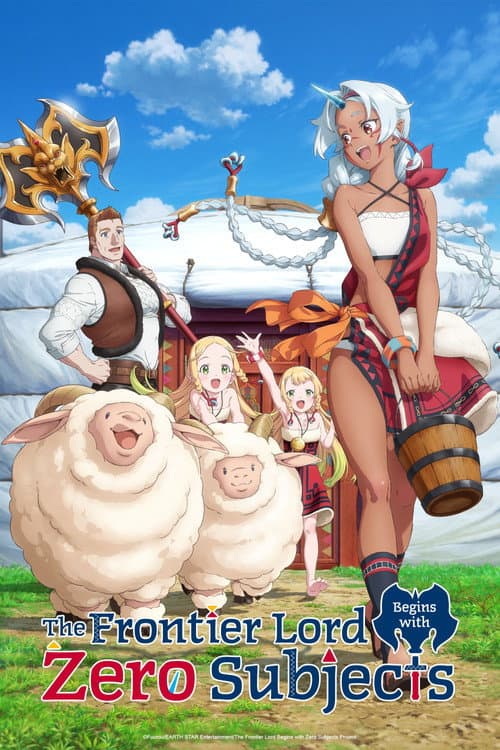
The Frontier Lord Begins with Zero Subjects
ComedyJapaneseJul 10, 2026
The Frontier Lord Begins with Zero Subjects
Por Você
DramaBrazilianAug 17, 2026
Por Você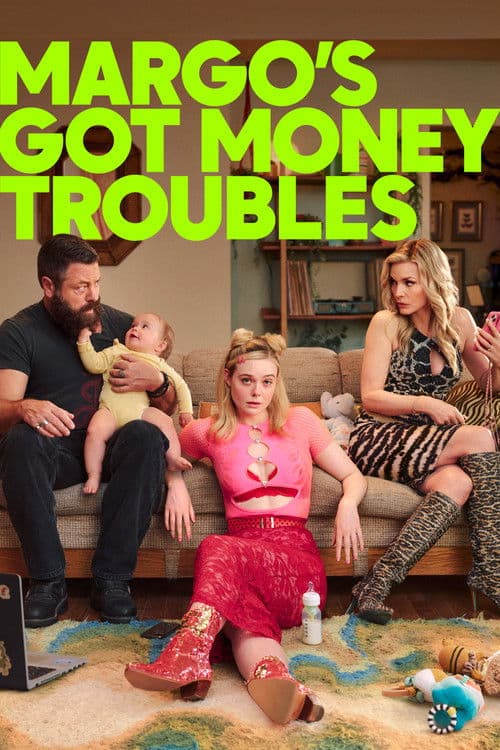
Margo's Got Money Troubles
DramaAmericanApr 14, 2026
Margo's Got Money Troubles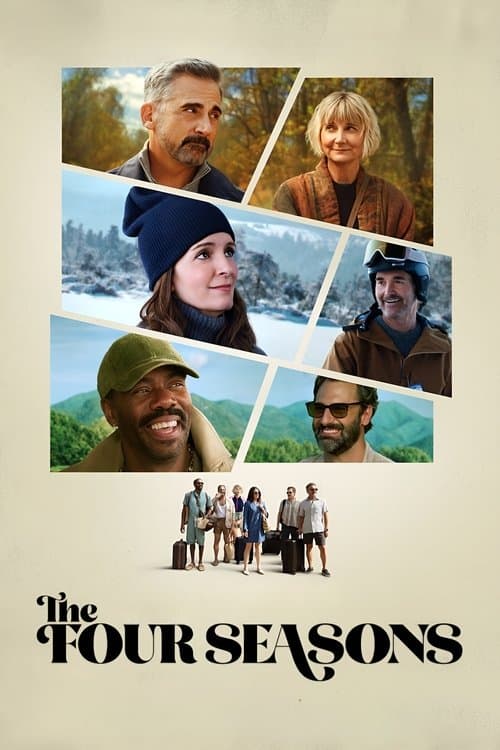
The Four Seasons
ComedyAmericanMay 1, 2025
The Four Seasons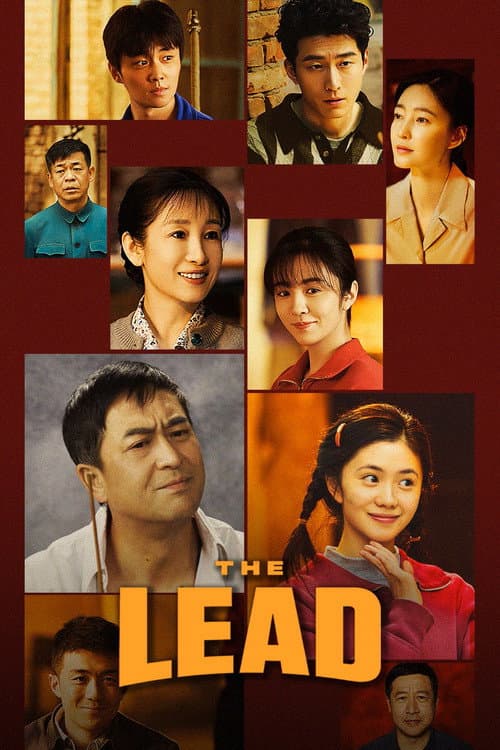
The Lead
DramaChineseMay 10, 2026
The LeadSign in to join the conversation.