






 🔥 Hot
Cocktail 2
RomanceJun 19, 2026
Cocktail 2
Details
Rating · Quality score from voters
Popularity · Search interest now
Based on TMDb activity
Links may earn Incoming a commission at no extra cost to you. Streaming data via JustWatch — may not reflect today's catalog.
Incoming Editorial TeamVerified
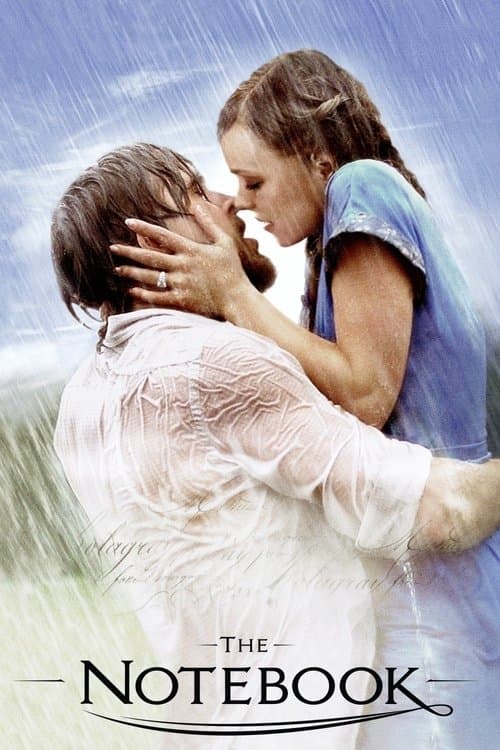
The Notebook is a romance-drama film produced by New Line Cinema, releasing June 25, 2004. The story follows a couple separated by World War II who reunite years later, framed through an older man reading aloud to a woman with Alzheimer's.
The Notebook was released theatrically on June 25, 2004. It is currently available for streaming and digital rental on multiple platforms.
The Notebook is available to stream on Amazon Prime Video and Amazon Prime Video with Ads. It can also be rented digitally through Amazon Video, Apple TV Store, and Google Play Movies.
The film centers on an older man who reads to a woman with Alzheimer's from a faded notebook. The story he reads follows a couple separated by World War II who reunite passionately seven years later, after each has pursued a separate life.
The Notebook is a romance and drama film. Its narrative is built around a wartime love story told through a framing device involving memory loss and caretaking.
The Notebook was produced by New Line Cinema and released in 2004.
The Notebook, produced by New Line Cinema alongside Avery Pix and Gran Via Productions, opens in theaters on June 25, 2004. It is a romance-drama built around a structural conceit that sets it apart from the more straightforward courtship pictures that populate the genre: the love story at its center is not told directly, but read aloud from a worn notebook by an elderly man to a woman living with Alzheimer's disease. That framing device gives the film two simultaneous timelines to manage — the present, in which an old man sits with a woman whose memory is failing, and the past, in which a young couple's relationship unfolds, is interrupted by the Second World War, and then resumes seven years later under considerably changed circumstances.
The dual-timeline structure is a familiar enough tool in literary fiction, but it carries particular weight here because the act of storytelling is itself the subject. The old man is not simply recounting events for the audience's benefit; he is reading to someone who may or may not be able to hold the narrative in her mind from one session to the next. That tension — between the story being told and the question of whether it is being received — runs underneath the entire film in a way that distinguishes it from a straightforward period romance. The wartime separation, the reunion after seven years, the divergent lives each character has built in the interim: these are the conventional materials of mid-century melodrama, the kind of story that has been told in American cinema since at least the 1940s. What the framing does is fold that melodrama inside a quieter, more contemporary register of grief and endurance.
The film draws on source material set against a backdrop of World War II, which places the central romance in a recognizable tradition of wartime love stories where external historical forces — conscription, displacement, the fundamental uncertainty of survival — do the work of keeping two people apart. That particular form of obstacle has proven durable in popular fiction precisely because it externalizes conflict that might otherwise feel manufactured. The separation here is not the result of misunderstanding or stubbornness alone, but of circumstances that overwhelmed individual will. Whether the film leans into the historical texture of that period or treats the war primarily as a plot mechanism is one of the things a viewer cannot know until the picture unspools.
Several questions remain open in the material available ahead of the release. The notebook itself — described as faded — is presumably the physical object from which the old man reads, but how that object came to exist, who wrote it, and what it contains beyond the narrative of the couple's courtship are details that the production has not made explicit in advance. Similarly, the relationship between the elderly man and the woman with Alzheimer's is presented in the broadest terms. Whether the audience is meant to understand their connection from the outset, or whether that connection is itself a disclosure held until later in the film, is a structural question that has obvious implications for how a viewer experiences the present-day scenes. Films built around this kind of nested narration often depend on the audience not quite knowing how much to trust the narrator, and it is reasonable to ask whether The Notebook plays with that uncertainty or resolves it quickly in favor of emotional transparency.
The reunion at the center of the story — described as passionate, occurring after the couple has each taken different paths — also leaves open what those paths were. Seven years is a substantial interval, and the lives people construct in that kind of gap tend to accumulate obligations: other relationships, other commitments, other selves. How the film weighs those accumulated lives against the pull of the original connection, and whether it treats that weighing as genuinely difficult or simply as an obstacle to be overcome, will likely determine how the picture sits with audiences who have some impatience with romantic narratives that resolve too easily. The genre has a tendency to simplify the moral arithmetic of these situations, and the presence of a wartime context does not automatically prevent that simplification.
The production involves three distinct companies — New Line Cinema, Avery Pix, and Gran Via Productions — which suggests a collaborative financing arrangement of the kind that has become common for mid-budget studio pictures in the early 2000s. New Line, as the largest of the three, provides the distribution infrastructure, while the other two presumably contributed to production. Beyond that organizational structure, the specifics of how the film was developed and brought together are not detailed in what has been made available.
The audience most likely to seek out The Notebook in its opening weekend is the one that has sustained the romantic drama as a viable theatrical genre through the late 1990s and into this decade: viewers for whom the combination of historical setting, emotional sweep, and a narrative architecture that asks something of its audience represents exactly what they want from a summer release that is not a sequel or a spectacle. The Alzheimer's framing in particular may draw viewers who have some personal proximity to the disease and are curious how the film handles it — with sentimentality, with clinical realism, or with something in between. That question, like several others, will be answered on Friday.
🔥 HotCocktail 2
RomanceJun 19, 2026
Cocktail 2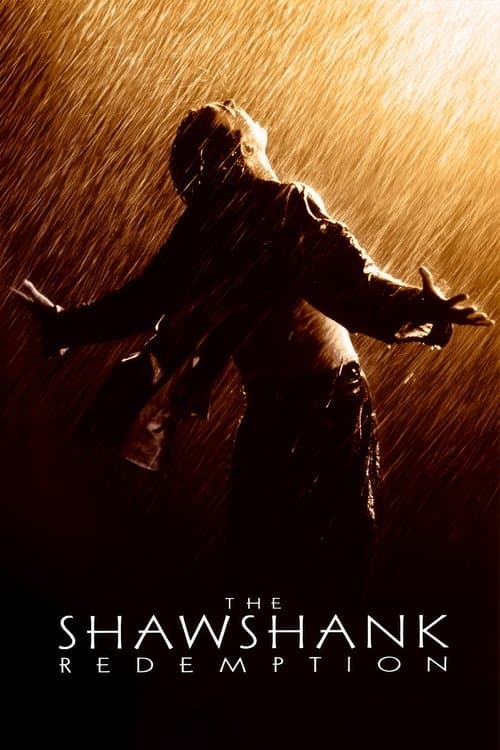
The Shawshank Redemption
DramaSep 23, 1994
The Shawshank Redemption
The Last Sunrise
RomanceAug 26, 2026
The Last Sunrise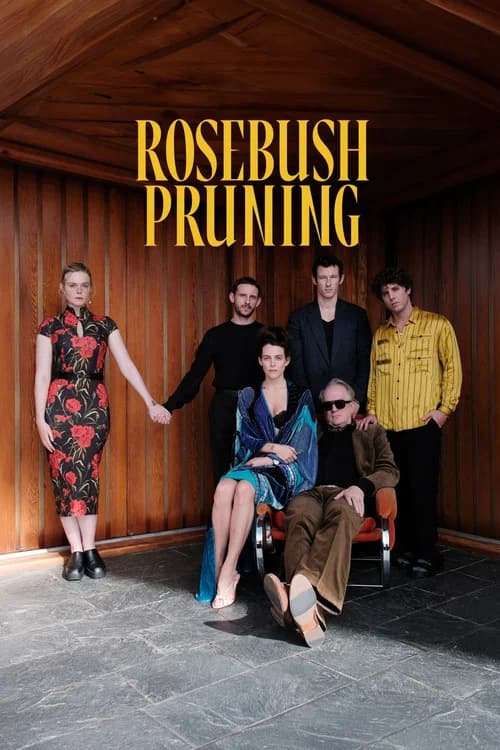 📈 Trending
Rosebush Pruning
ComedyApr 23, 2026
Rosebush Pruning
The Shadow's Edge
ActionAug 16, 2025
The Shadow's Edge
Spider-Man: Brand New Day
Science FictionJul 28, 2026
Spider-Man: Brand New DaySign in to join the conversation.