





 ⭐ Popular
The Odyssey
AdventureJul 15, 2026
The Odyssey
Details
Rating · Quality score from voters
Popularity · Search interest now
Based on TMDb activity
hype score
leaderboard →Spider-Man: Brand New Day commands top-tier Wikipedia attention, signaling major audience interest in the web-slinger's return.
Links may earn Incoming a commission at no extra cost to you.
Incoming Editorial TeamVerified
Spider-Man: Brand New Day is an upcoming superhero film releasing July 28, 2026. The story follows Peter Parker as he navigates life as Spider-Man in a world that no longer remembers him, while confronting a new invisible threat to New York City.
Spider-Man: Brand New Day releases on July 28, 2026.
The film follows Peter Parker fighting crime as Spider-Man in a world that no longer remembers him, while a personal transformation and a powerful, unseen villain threaten the city and people he cares about.
The film continues the story of Peter Parker as Spider-Man in a world where his identity has been forgotten, suggesting it follows earlier entries in a Spider-Man continuity, though no specific predecessor is confirmed in available data.
Spider-Man: Brand New Day, produced by Marvel Studios, Columbia Pictures, and Pascal Pictures, is scheduled for release on July 28, 2026. It is the latest entry in the MCU's Spider-Man series, a franchise that has already produced several of the highest-grossing superhero films of the past decade and has become one of the more structurally complicated corners of the broader Marvel Cinematic Universe.
The title itself carries weight for anyone familiar with the character's publishing history. "Brand New Day" is the name of a story arc that ran in Marvel Comics beginning in 2008, initiated in the aftermath of the "One More Day" storyline, in which Peter Parker made a deal that erased his marriage from collective memory. The comics arc explored what it meant for Peter to rebuild his life after a catastrophic personal reset. Whether the film borrows from that source material in any substantive way is not confirmed by the available information, but the title's selection is unlikely to be coincidental. The MCU's own continuity already positioned Peter Parker in strikingly similar territory — following the events of Spider-Man: No Way Home, in which a spell caused the world to forget Peter Parker entirely, he has been left operating as a ghost in the city he protects, cut off from everyone who knew him.
The official description leans directly into that premise. Peter Parker is now fighting crime full-time in a world where no one remembers him, and that anonymity is compounded by a particular kind of grief: watching former friends move on with lives he can no longer participate in. That emotional condition — not a villain, not a superpower, but the slow corrosion of isolation — is framed as the engine of a transformation in Peter that he may not be able to reverse or control. The description is careful not to specify what that transformation is, which leaves considerable interpretive space. It could refer to a psychological shift, a change in how he operates as Spider-Man, or something more literally physical. The franchise has trafficked in all three before.
The threat introduced in the description is characterized only as "powerful" and, more distinctively, invisible — a villain "no one can even see." This is one of the more unusual details in what is otherwise a fairly spare premise outline. Invisibility as a supervillain attribute has a long history in comics, and the MCU has touched on perceptual and sensory manipulation before, but the specific nature of this antagonist is not elaborated in anything currently available. Whether "can't see" is literal or metaphorical — a threat hiding in plain sight, a systemic danger, something genuinely imperceptible — is entirely open. That ambiguity may be intentional on the studio's part, or it may simply reflect how early the film's public profile remains even as its release date approaches.
What is structurally notable about this entry is the tonal space the premise seems designed to occupy. The previous Spider-Man films in the MCU, particularly No Way Home, leaned heavily into the franchise's nostalgic and mythological dimensions — the multiverse mechanics, the return of characters from earlier film series, the weight of accumulated continuity. Brand New Day, by the description alone, appears to be threading a different needle. The central dramatic tension is intimate and character-specific: one person, forgotten, watching life continue without him, undergoing a change he cannot control. That's a smaller, more interior story than a multiversal crossover, even if it comes packaged in a science-fiction action-adventure framework.
That is not to say the film will be modest in scale — the studio lineup alone, with Marvel Studios and Columbia Pictures both attached, indicates a production of significant scope. Pascal Pictures, which has been involved in Sony's Spider-Man productions for years, continues its involvement. But the premise as stated puts psychological and emotional transformation at the center rather than treating it as background texture for set pieces.
Several practical questions remain. There is no confirmed cast information in the available data, though given the MCU continuity, audiences will reasonably expect the return of the actor who has played Peter Parker across the existing trilogy. Similarly, the director and writing credits are not part of the currently available information. The film's release date — a Tuesday in late July 2026 — places it squarely in the summer blockbuster window, a familiar berth for the franchise, though a Tuesday opening date is somewhat unusual for a major tentpole and may reflect international release strategy or scheduling specifics not yet fully explained.
The film's genre classification — science fiction, action, adventure — is standard for the series, neither narrowing expectations nor expanding them particularly. The MCU Spider-Man films have generally operated within those categories while varying considerably in emotional register and thematic ambition from entry to entry.
The audience most likely to seek this out is, self-evidently, substantial. The MCU Spider-Man series has few comparable competitors in terms of built-in viewership, and the premise directly extends one of the more emotionally charged setups the franchise has ever constructed. For viewers who found No Way Home's ending quietly devastating — Peter Parker alone in a bare apartment, starting over from nothing — Brand New Day is positioned as the story of what actually happens next in that situation, and whether Peter Parker survives it in any meaningful sense of the word.
With Spider-Man: Brand New Day landing at 90% on Rotten Tomatoes, all four of Tom Holland's solo films have now hit the 90% mark — a record no other live-action Spider-Man actor has managed.
Amazon's Spider-Noir earned 11 Emmy nominations for craft and technical achievement. The show's lead actor was not among them. Here's why that split tells the real story.
Loved Spider-Man: Brand New Day but haven't seen the MCU? This guide breaks down exactly which films to watch — a 6-film fast track, the full Marvel marathon, or the animated Spider-Verse.
When Christopher Nolan cast Matt Damon as Odysseus, cinephiles pushed back hard. Three weeks and a Letterboxd 4.4/5 later, the debate is over.
⭐ PopularThe Odyssey
AdventureJul 15, 2026
The Odyssey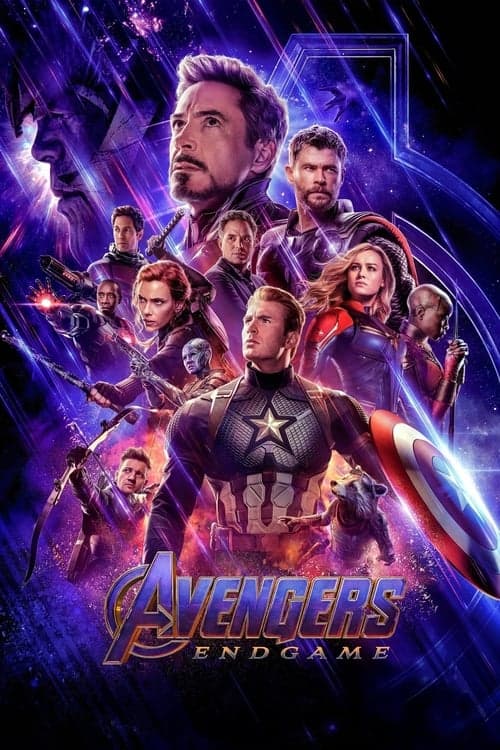
Avengers: Endgame
AdventureApr 24, 2019
Avengers: Endgame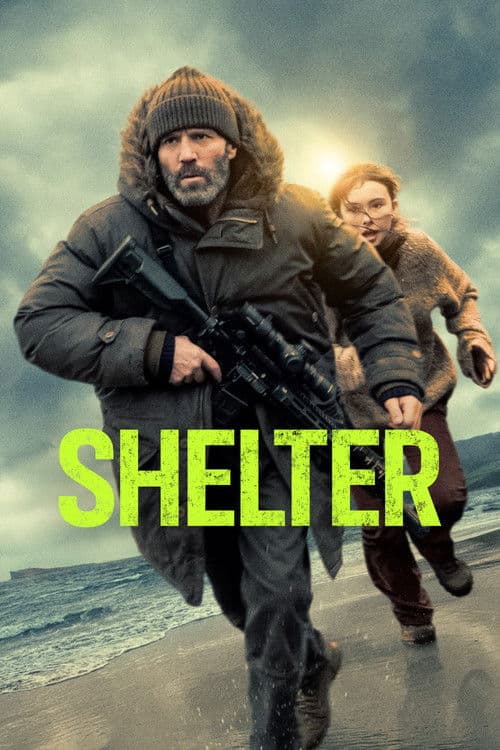
Shelter
ActionJan 28, 2026
Shelter 🔥 Hot
The Mandalorian and Grogu
ActionMay 20, 2026
The Mandalorian and Grogu 🔥 Hot
Insidious: Out of the Further
HorrorAug 19, 2026
Insidious: Out of the Further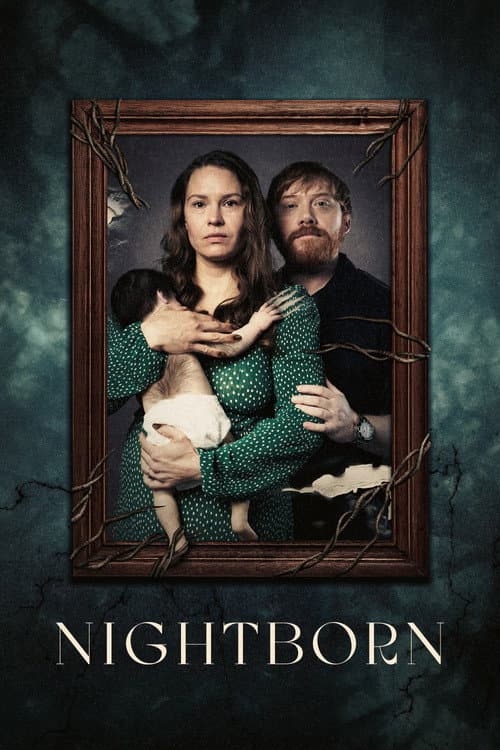
Nightborn
HorrorJul 1, 2026
NightbornSign in to join the conversation.