


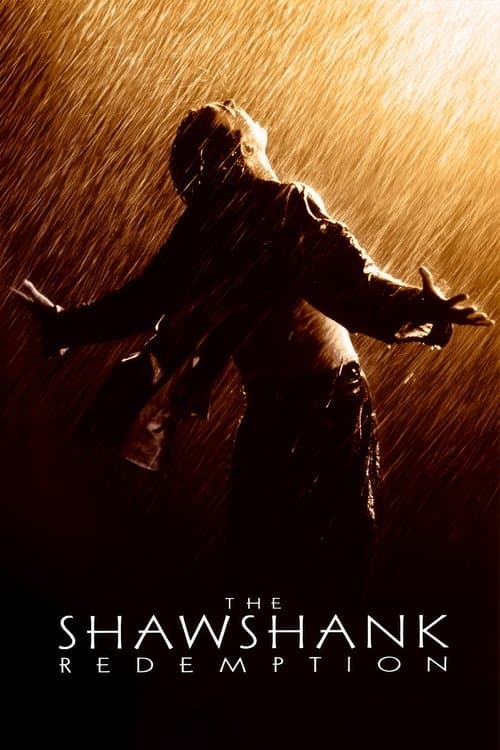
The Shawshank Redemption
DramaSep 23, 1994
The Shawshank Redemption
Details
Rating · Quality score from voters
Popularity · Search interest now
Based on TMDb activity
Not currently available for streaming or purchase.
Links may earn Incoming a commission at no extra cost to you.
Incoming Editorial TeamVerified
It Takes Two To Tango (original title: Aimons-nous vivants) is a French comedy-romance film produced by Escazal Films, releasing on April 16, 2025.
It Takes Two To Tango releases on April 16, 2025. No specific theatrical markets or streaming platforms have been confirmed in the available data.
No streaming platform information is currently available for It Takes Two To Tango. Check back closer to its April 16, 2025 release date for updates on digital availability.
The film is produced by Escazal Films. No director or individual producer names are included in the available data.
It Takes Two To Tango is a comedy and romance. The story involves a disillusioned elderly crooner and an eccentric fan who meet by chance on a train, with the encounter derailing his grim intentions.
The film follows Antoine Toussaint, a famous 70-year-old crooner who boards a train to Geneva planning to end his life. He meets Victoire, a good-natured fan described as having a few loose wires, and their unlikely meeting disrupts all of his plans.
It Takes Two To Tango (Aimons-nous vivants), a French-language comedy-romance produced by Escazal Films and Auvergne-Rhône-Alpes Cinéma, opens in release on April 16, 2025. Its premise is economical and its emotional register clear from the outset: a 70-year-old crooner named Antoine Toussaint, famous and thoroughly disillusioned, boards a train to Geneva with the specific intention of ending his life. Before he arrives, he meets Victoire, a warmhearted fan described as having "a few loose wires." The encounter, predictably and by design, derails everything Antoine had planned — though whether that derailment constitutes rescue or mere complication is the question the film appears to hold open.
The premise sits in a recognizable tradition of European comedy-romance built around mismatched strangers thrown together by accident or circumstance, each carrying a private gravity that the other's presence gradually lightens or at least complicates. The train as a setting for unlikely encounter is practically its own subgenre in French cinema — a contained, moving space where social distances collapse and confessions become possible precisely because the participants are, in some sense, already in transit. What gives this particular version a sharper edge is that one of its travelers is not simply world-weary but actively suicidal. That is a heavier starting point than the genre usually accommodates, and how the film manages the tonal balancing act between genuine darkness and the warmth a comedy-romance requires will likely define how audiences receive it.
The subtitle, Aimons-nous vivants — roughly, "Let us love each other while alive" — functions almost as a thesis statement, which is either a form of thematic honesty or a signal that the film is not particularly interested in ambiguity about where it lands. The phrasing has an earnest, slightly declarative quality, the kind of sentiment that works better embodied in character than announced in a title. Whether the film earns that sentiment or simply asserts it is something the premise alone cannot resolve.
Escazal Films and Auvergne-Rhône-Alpes Cinéma are the production entities attached to the project. Auvergne-Rhône-Alpes Cinéma is a regional French film fund, suggesting that the production has at least some geographic grounding in that part of France, though the Geneva destination points the story outward. Regional co-production is a common structure in French independent filmmaking, and its presence here indicates a production operating outside the major Parisian studio infrastructure — which tends to correlate with a certain kind of character-driven, modestly scaled work rather than something reaching for broad commercial spectacle. The film's tonal and structural ambitions, as described, align with that kind of production context.
What the available material does not resolve is substantial. Antoine Toussaint is described as a famous crooner, which raises an immediate question about how much of the film's comedy and melancholy depends on the texture of that particular career — the specific loneliness of a performer whose professional identity is built on romantic feeling and public adoration, and who has somehow arrived at a place where none of that feels worth continuing. The "disillusioned" characterization is doing a lot of work in a single word, and the film will need to fill in what, specifically, has brought a man of some renown to a northbound train with a terminal destination in mind. The backstory of a figure like Antoine — whether his disillusionment is professional, romantic, physical, or simply the accumulated weight of a long life lived performing — is the kind of detail that separates a genuinely felt film from a sketch built around a concept.
Victoire's description as "good-natured" with "a few loose wires" is similarly compressed. The phrase gestures toward a character who might be eccentric or neurodivergent or simply unconventional, and the way the film handles that characterization will matter. In the broader genre tradition, the free-spirited or unusual woman who reawakens a jaded older man is a familiar construction, one that can tip easily into the manic pixie territory that has grown harder to watch without some self-awareness from the filmmakers. Whether Victoire has interiority and stakes of her own, or exists primarily as a catalyst for Antoine's reconsideration of life, is an open question — and probably the most consequential one the film faces.
The film's genre designation as both comedy and romance, combined with a premise that opens on a planned suicide, requires a particular kind of craft to navigate without either trivializing the darker material or losing the warmth the lighter framing promises. French cinema has a reasonably strong track record with exactly this kind of tonal blend — films that take mortality and loneliness seriously while refusing to abandon wit or sentiment — but it is not a given, and the execution depends heavily on performance and pacing in ways that no logline can guarantee.
The audience most likely to seek this out is the one that gravitates toward European comedy-romance with some emotional weight to it — viewers comfortable with subtitles, familiar with the pleasures of a well-observed odd-couple dynamic, and willing to sit with a premise that starts in a fairly dark register before allowing itself to warm. The film's French-language origin and regional production context suggest limited but focused distribution, the kind of release that finds its audience through arthouse and specialty cinema channels rather than wide commercial placement.
The Shawshank Redemption
DramaSep 23, 1994
The Shawshank Redemption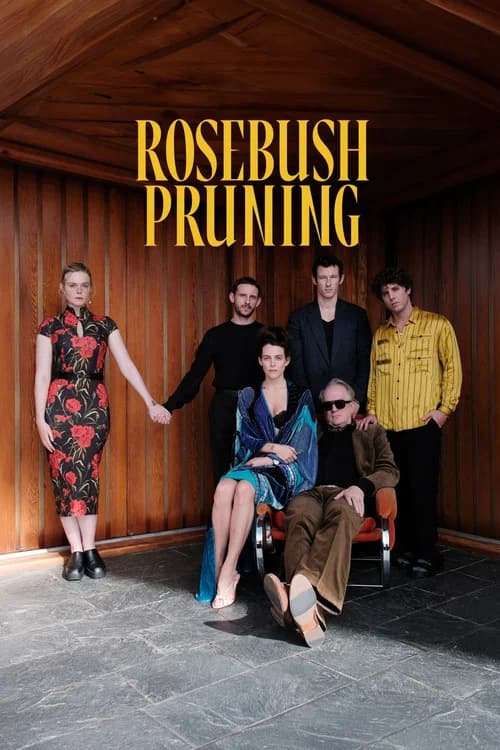 📈 Trending
Rosebush Pruning
ComedyApr 23, 2026
Rosebush Pruning 📈 Trending
Cocktail 2
RomanceJun 19, 2026
Cocktail 2
Voicemails for Isabelle
RomanceJun 20, 2026
Voicemails for Isabelle 🔥 Hot
Spider-Man: Brand New Day
Science FictionJul 28, 2026
Spider-Man: Brand New Day ⭐ Popular
The Odyssey
AdventureJul 15, 2026
The OdysseySign in to join the conversation.