 ⬆️ Rising
The Mongoose
ActionOct 29, 2026
The MongooseReleased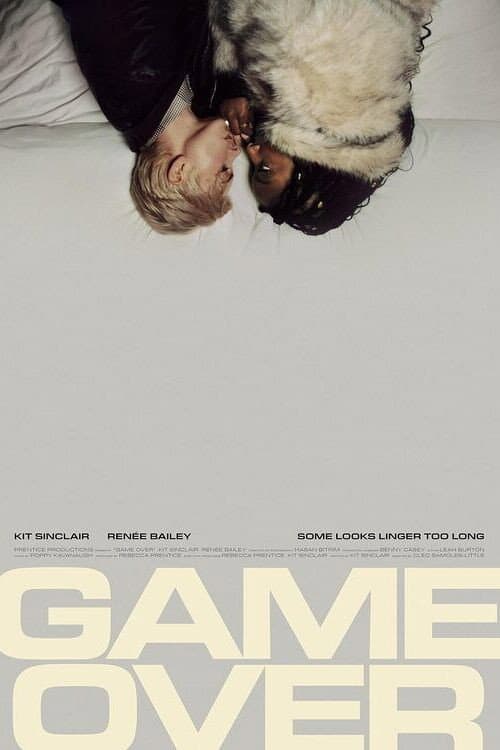 Cool
Details
Popularity · Search interest now
Based on TMDb activity
Incoming Editorial TeamVerified
Game Over is an upcoming film releasing April 26, 2026. The story follows Cleo and Jade, a lesbian couple whose date takes a turn that prompts them to question whether the problem lies in the male gaze or in their own conditioned responses to being sexualized and threatened by men.
Game Over releases on April 26, 2026.
The film follows Cleo and Jade, a lesbian couple whose date goes wrong, leaving them questioning whether the hostility they experience stems from the male gaze or from the ways they have been conditioned to respond to being sexualized and threatened by men.
Game Over is a dramatic film dealing with themes of sexuality, social conditioning, and the male gaze.
Game Over is a film set for release on April 26, 2026. The project centers on two women, Cleo and Jade, whose date deteriorates in ways that leave them examining not only the behavior directed at them but their own conditioned responses to it. The film's stated concern is the experience of a lesbian couple navigating persistent sexualization and threat from men, and the psychological territory that opens up when the two women begin to disagree — or at least wonder — about where the fault actually lies: in external male behavior, or in the internalized frameworks they've each absorbed over a lifetime.
That premise is worth sitting with for a moment, because it does something slightly unusual in how it frames its conflict. Many films exploring queer women's lives organize their tension around acceptance, identity formation, or relationship dynamics internal to the couple. Game Over appears to take a different angle, using a single bad date as the catalyst for a more philosophical argument — one that the characters themselves seem to be having, and perhaps not resolving. The question of whether the problem is "the male gaze or the way they've been conditioned to react" is not a question with a clean answer, and a film willing to hold that ambiguity open rather than settle it tidily is positioning itself in interesting territory.
The available information doesn't specify a director, screenwriter, or production company, which means the authorship here remains opaque ahead of release. What can be said is that the story is told in English and appears to be a relatively contained production — a single date gone wrong suggests an intimate scale, likely character-driven and dialogue-dependent rather than expansive in setting or plot. Whether the film unfolds in real time, across a single location, or moves between spaces is not yet known. Neither is the question of how much of the film belongs to Cleo and Jade together versus in private, individual interiority — whether, for instance, the film gives each woman a separate perspective on the same event or keeps the couple tethered throughout.
The framing of the "male gaze" in the source description is a phrase with a specific intellectual history, drawn from Laura Mulvey's 1975 film theory essay and subsequently absorbed into mainstream cultural conversation to varying degrees of precision. A film that invokes it by name is signaling at least some self-awareness about its theoretical underpinnings. Whether Game Over treats that concept as a lens to scrutinize or a position to dramatize — or whether it's skeptical of the concept's explanatory reach — is one of the more interesting open questions about how the film will actually function. The conditional framing in the premise ("is the problem the male gaze or the way they've been conditioned to react") suggests the film is not simply illustrating a known argument but interrogating one. That's a harder thing to pull off, and it's impossible to assess from the outside whether the execution will match the ambition.
The tension between the two possible answers in that central question also carries an implicit risk. Films that posit internalized conditioning as a co-equal problem alongside external harm can easily tip into a kind of both-sidesing that inadvertently redistributes responsibility in unhelpful directions. Equally, films that refuse that complexity and land firmly on one side can feel schematic. The fact that the premise presents the question without answering it suggests the filmmakers are aware of this tension, though awareness and successful navigation are different things.
What the description does establish is that the experience being depicted is specific: not simply harassment in the abstract, but the particular texture of being a same-sex female couple in public, which carries its own dynamic distinct from what either woman might face alone. The sexualization of lesbian relationships by heterosexual men has its own long cultural history — fetishization operating under the guise of appreciation — and the fact that Cleo and Jade are together when the date goes wrong means the threat and the intimacy are intertwined in the same moment. That simultaneity is potentially rich dramatic material.
There is, as yet, no cast information available, no indication of where Game Over was produced or whether it has screened in any festival context ahead of its April 2026 release. The low engagement metrics in available databases suggest it has not accumulated a public footprint yet, which places it outside the current conversation in a way that may shift considerably as the release approaches. Its distribution plans and whether it will receive a theatrical release, a streaming premiere, or some combination are also not yet known.
The audience most likely to seek this out will be viewers drawn to films that take queer women's everyday experiences seriously as the substrate for genuine philosophical and dramatic tension, rather than as backdrop for more conventional genre mechanics. Anyone interested in films that use constrained, character-intensive scenarios to work through ideas about perception, power, and self-knowledge will find the premise at least worth tracking. The question it announces — about where harm lives, and how people who experience it can disagree about its nature — is one that doesn't resolve easily in real life either, which is probably the point.
⬆️ RisingThe Mongoose
ActionOct 29, 2026
The MongooseReleased ⬆️ Rising
The Runner
ThrillerSep 3, 2026
The Runner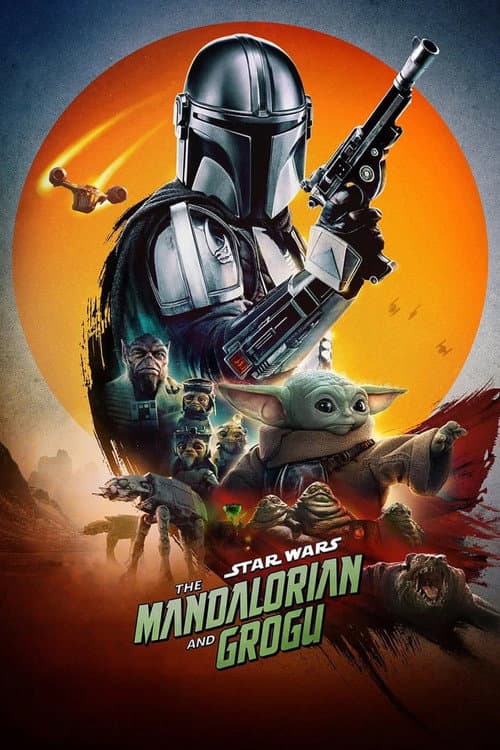 ⬆️ Rising
Star Wars: The Mandalorian and Grogu
ActionMay 20, 2026
Star Wars: The Mandalorian and Grogu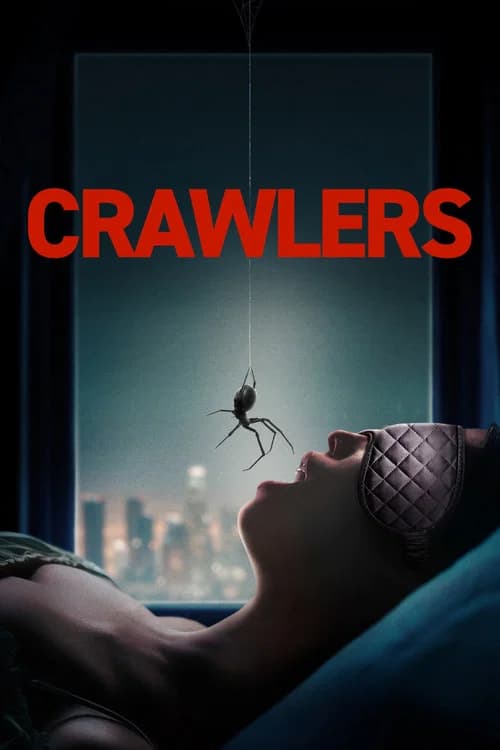 ⬆️ Rising
Crawlers
HorrorSep 24, 2026
Crawlers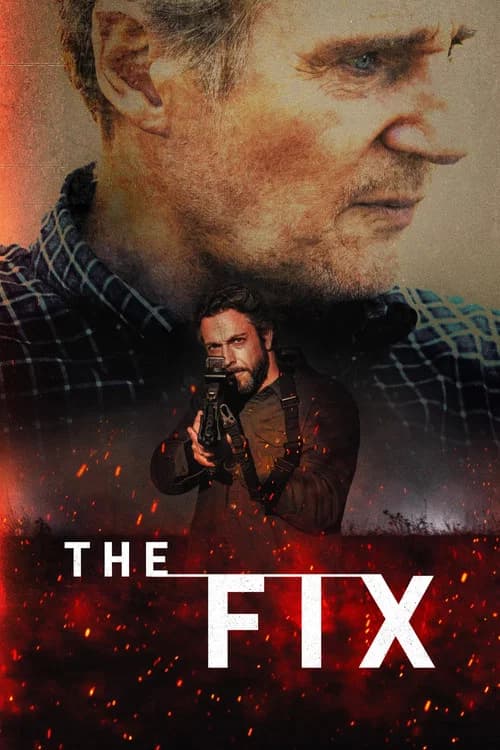 ⬆️ Rising
The Fix
ActionSep 10, 2026
The Fix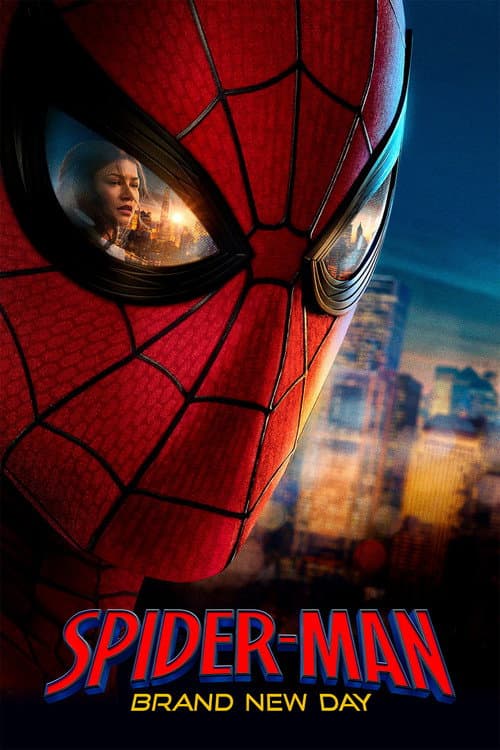
Spider-Man: Brand New Day
Science FictionJul 28, 2026
Spider-Man: Brand New DaySign in to join the conversation.