 📈 Trending
Obsession
HorrorMay 13, 2026
Obsession
Details
Rating · Quality score from voters
Popularity · Search interest now
Based on TMDb activity

Caleb Landry Jones
Vlad / Dracula

Zoë Bleu Sidel
Elisabeta / Mina

Christoph Waltz
Priest

Matilda De Angelis
Maria

Ewens Abid
Jonathan Harker

Guillaume de Tonquédec
Dumont

David Shields
Henry Spencer

Bertrand-Xavier Corbi
Captain Targol

Raphael Luce
Clerk Simon
Liviu Bora
Army Captain (19th)

Anne Kessler
Old Lady

Romain Levi
Captain Wernus

Jassem Mougari
Sultan Mehmed II

Thalia Besson
Isabelle de Touraine

Haymon Maria Buttinger
Cardinal
Links may earn Incoming a commission at no extra cost to you.
Incoming Editorial TeamVerified
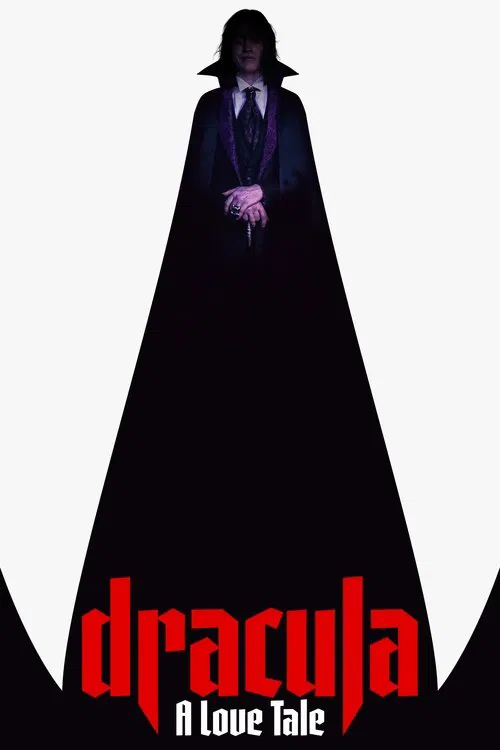
In late 15th-century Eastern Europe, Prince Vlad II’s bride is brutally murdered. As a result, he renounces God and damns Heaven itself. Cursed with eternal life, Vlad is reborn as Dracula, an immortal warlord who defies fate in a blood-soaked crusade to wrench his lost love back from death.
A new cinematic telling of the Dracula origin story arrives on July 30, 2025, produced by EuropaCorp, TF1 Films Production, and SND — a French-language production that situates one of gothic horror's most exhausted figures back in his historical and geographic starting point: late 15th-century Eastern Europe.
The premise tracks Prince Vlad II, whose bride is murdered, an act of violence that sends him into a theological rupture. He renounces God, damns Heaven, and is subsequently reborn as Dracula — not merely a monster but, as the synopsis frames it, an immortal warlord embarked on a blood-soaked campaign to retrieve his murdered love from death itself. The organizing logic is more romance and tragedy than pure horror, which places the film in a particular lineage of Dracula adaptations that treat the character as a figure of operatic grief rather than simply a predatory creature of the night.
That lineage is a long one. Bram Stoker's 1897 novel established the mythology, but cinema has been reinterpreting and dismembering it for over a century. What distinguishes this version on paper is its insistence on the origin — the transformation of a historical prince into a supernatural entity — and its tonal blend of horror, fantasy, and romance, the three genre tags attached to the project. That combination is not unusual for Dracula adaptations; Francis Ford Coppola's 1992 film leaned heavily into the same triangle, and more recent television productions have attempted similar fusions with varying results. What is relatively unusual is that this is a French-language production backed by EuropaCorp, the studio founded by Luc Besson, alongside TF1 Films Production and SND, giving it a distinctly European commercial and industrial character that sets it apart from the Hollywood or British productions that have dominated the character's screen history.
EuropaCorp has historically gravitated toward genre cinema with international ambitions — action films, thrillers, and spectacle-driven productions that move across markets. A gothic horror-fantasy with romantic architecture fits within that appetite for genre work with broad potential reach, though the studio's track record spans wildly across critical reception. That the film's original language is French is notable given the Eastern European historical setting; it raises immediate questions about production design, casting, and the particular aesthetic register the filmmakers are working in, none of which are answered by what has been made publicly available.
The credits, in fact, are among the more conspicuous absences in what is known about this film. The director, the screenwriter, and the cast are not specified in available materials, which makes it difficult to situate the project within any individual artistic vision. Is this the work of a filmmaker with an established relationship to horror or historical epic? Is the script an adaptation of a specific literary source beyond the Stoker tradition, or an original construction? These are not trivial questions for a property as semantically loaded as Dracula, where the interpretation of character tends to follow the particular sensibility of whoever is behind the camera.
The synopsis emphasizes Vlad's crusade to "wrench his lost love back from death," which positions the narrative as much around resurrection and defiance as around predation. The traditional Dracula story, as most audiences know it, is set centuries after his origin and concerns a different set of characters in a Victorian England context. This film appears to be operating entirely within the medieval Eastern European period, bracketing out the Harker-Mina-Van Helsing apparatus almost entirely and instead constructing something closer to a dark fantasy epic about a man becoming a monster through an act of sacred transgression. Whether that structure is borrowed from the long history of Vlad the Impaler biographical dramatizations, from existing Dracula origin-story literature, or from an original screenplay is not clear.
The critical reception metadata available — a Rotten Tomatoes score of 54, a Metascore of 44, and an IMDb rating of 6.2 from roughly 35,000 votes — suggests a film that landed in mixed territory with both critics and general audiences, representing the kind of middling consensus that genre films with ambitious premises sometimes attract when execution falls short of concept, or when the film finds a loyal subset of viewers whose enthusiasm isn't reflected in broader aggregated scores. The TMDB community rating of 7.2, drawn from a smaller sample, skews somewhat more generously. None of these numbers are definitive, and they reflect early reception from audiences who have already seen the film ahead of this preview's context.
The film is available to rent or buy through Amazon Video, Apple TV, Google Play Movies, and Fandango at Home, with no streaming subscription platform currently carrying it. That distribution pattern suggests a traditional digital release window following theatrical exhibition, aimed at on-demand audiences rather than subscribers.
The audience most likely to seek this out will be viewers drawn to gothic historical fantasy with a romantic core — people who have followed Dracula through his various screen incarnations and are curious whether a French-produced, Eastern European-set origin story can find a new angle on a figure whose mythology has been interpreted so many times that novelty is genuinely hard to achieve. Anyone interested in EuropaCorp's particular approach to genre filmmaking will also have reason to pay attention, as will those for whom the horror-romance genre combination, with its roots in 19th-century literary tradition, holds ongoing appeal.
📈 TrendingObsession
HorrorMay 13, 2026
Obsession 🔥 Hot
Insidious: Out of the Further
HorrorAug 19, 2026
Insidious: Out of the Further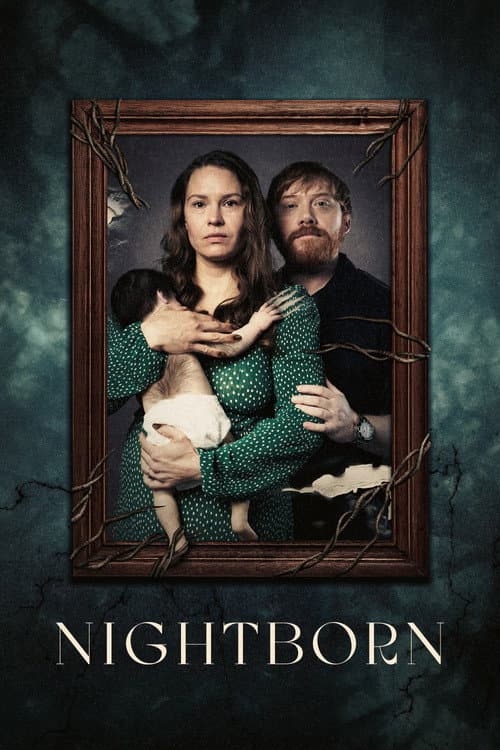
Nightborn
HorrorJul 1, 2026
Nightborn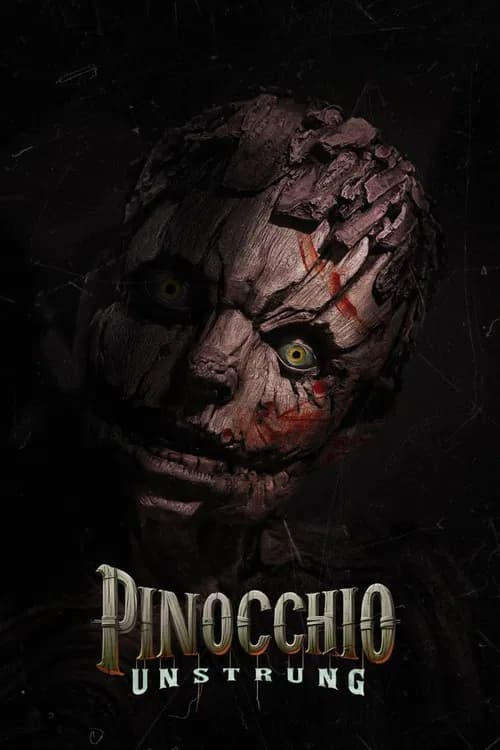 ⭐ Popular
Pinocchio: Unstrung
HorrorJul 22, 2026
Pinocchio: Unstrung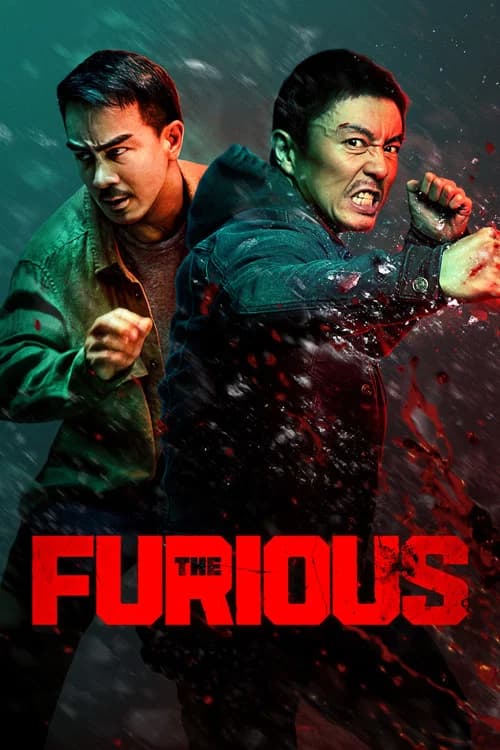
The Furious
ActionJun 10, 2026
The Furious 🔥 Hot
Minions & Monsters
AdventureJun 24, 2026
Minions & MonstersSign in to join the conversation.