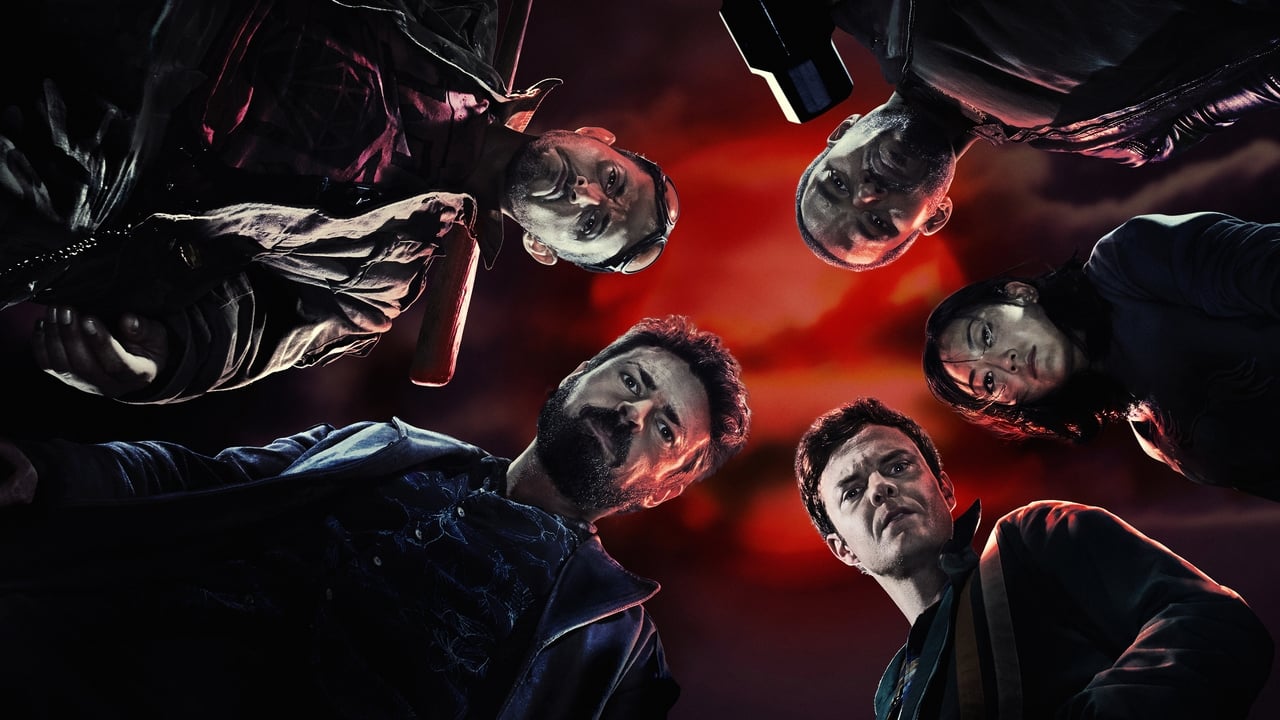
The Boys ended on May 20, 2026. Over seven years, it drew 57 million viewers per episode, held a 92% Rotten Tomatoes score from critics for its final season, and became one of the ten most-watched Prime Video originals ever produced. It submitted 28 actors for Emmy consideration.
The Television Academy nominated zero of them.
Not one. Not a consolation nod for Antony Starr's Homelander — a performance that critics have called one of the greatest TV villain portrayals in the medium's history. Not a nomination for Karl Urban's tragic final arc as Billy Butcher, nor for Jack Quaid or Erin Moriarty. Twenty-eight submissions. Five seasons. Complete shutout.
The pattern is no longer surprising. It is just, finally, complete.
The Demolition of American Power: Why Homelander Was TV's Most Unforgiving Character Study
The premise sounds like a pitch for a parody: what if superheroes were real, and they were all awful? The execution is something else entirely.
Created by Eric Kripke and adapted from Garth Ennis and Darick Robertson's comic series, The Boys built its world around Vought International — a defense contractor and media conglomerate that manufactures, markets, and deploys corporate-branded superheroes as military assets and entertainment properties. The heroes are all chemically enhanced by Compound V. Most of them are violent, vain, delusional, or some combination of all three.
At the center is Homelander (Starr): a Superman analogue with laser vision, flight, and the emotional architecture of an abandoned child who grew up in a laboratory. He is the most powerful being on earth. He is completely untethered from consequence. He is terrifying not because he is monstrous — though he is — but because his psychology is legible. He wants to be loved. He wants to be feared. He cannot tell the difference between the two.
Season 5 opens with Homelander in full authoritarian control of America through Vought. Billy Butcher and the Boys are imprisoned in Camp Freedom, a Vought-run detention facility. By the finale, Queen Maeve has died. Frenchie has died. Butcher has defeated Homelander — and lost his own powers in the process. The show ends with the machinery of accountability grinding forward, slowly, imperfectly, as it always does.
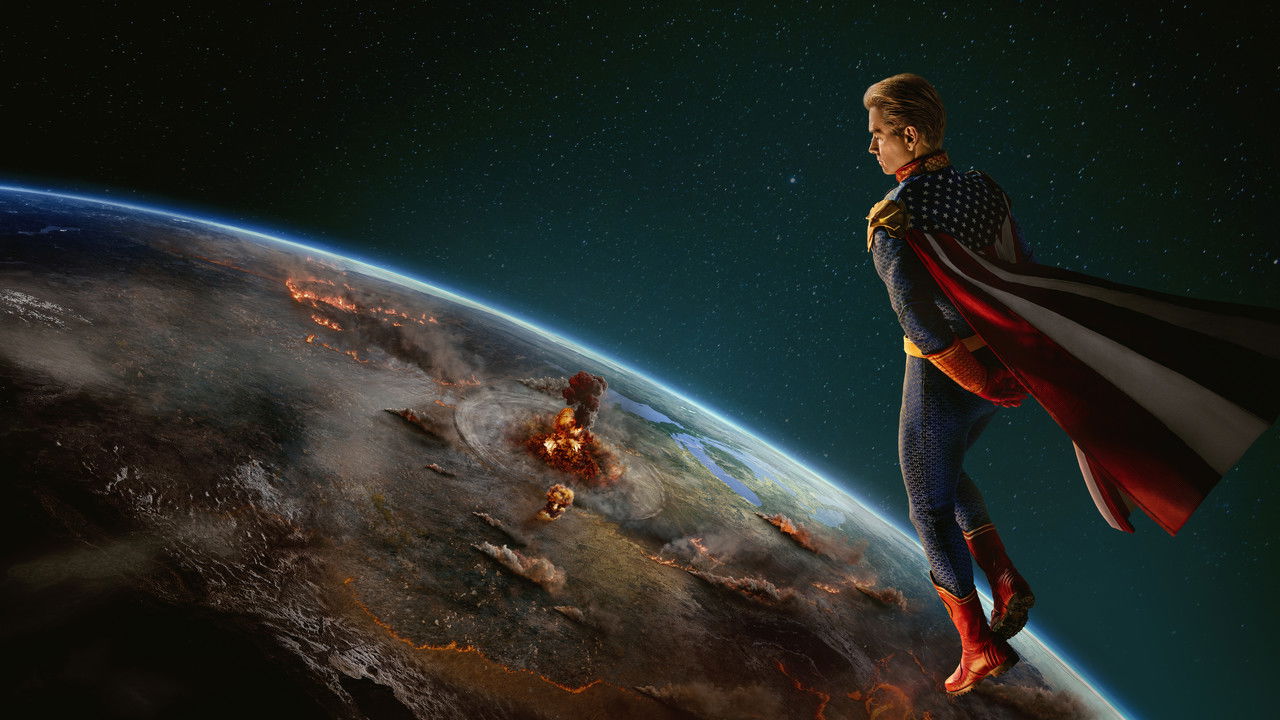
It is not a happy ending. It is a realistic one.
Five Years of Snubs: The Statistical Anomaly of The Boys' Emmy Exclusion
For context on what the Television Academy passed on:
| Season | Year | RT Critics | RT Audience | Emmy Noms |
|---|---|---|---|---|
| Season 1 | 2019 | 85% | 90% | 1 |
| Season 2 | 2020 | 97% | 83% | 5 (incl. Outstanding Drama) |
| Season 3 | 2022 | 98% | 72% | 2 |
| Season 4 | 2024 | 92% | 53% | 4 |
| Season 5 (Final) | 2026 | 92% | 49% | 5 (all craft/technical) |
Five seasons. Zero acting nominations across the entire run.
This is not a case of the Academy being unaware of the show's existence. The Boys has consistently appeared on Emmy campaign shortlists. Antony Starr submitted FYC (For Your Consideration) campaign materials every season. This is a case of an institution making an active choice, five years in a row, to exclude a performance that critics have ranked among the best the medium has produced.
The nominations that did arrive — craft categories, and in Season 2's case Outstanding Drama Series and Outstanding Writing — confirm the Academy was aware of the show's existence. They chose, specifically and repeatedly, not to recognize the acting. Starr, in a final season where Homelander becomes an outright fascist dictator and then dies at the hands of the man whose wife he murdered, received nothing.
The Superhero Ceiling: Why Emmys Applaud Technical Craft While Ignoring World-Class Acting
This is not a new story. It is the same story, told again.
This Emmy cycle, Spider-Noir earned 11 nominations — every one of them in craft and technical categories. Nicolas Cage's performance, which critics described as "gloriously pulpy" and "intensely committed" and which drove a 92% Rotten Tomatoes score, received zero acting recognition. The explanation offered: Amazon submitted the show in the Comedy categories, and Cage was placed in competition against traditional sitcom leads.
With The Boys, no such categorical confusion applies. The show competed in Drama. Starr submitted in Lead Actor Drama. The field that beat him out: Sterling K. Brown (Paradise), Gary Oldman (Slow Horses), Mark Ruffalo (Task), Rufus Sewell (The Diplomat), Noah Wyle (The Pitt). All prestige drama leads. All from shows the Academy knows how to process.
The pattern across both cases is identical: the Television Academy acknowledges craft. It ignores performance. It does not matter how many viewers watch, how high the Rotten Tomatoes score climbs, or how many consecutive seasons a performance sustains across. Genre is the disqualifier. The Emmys will give you a cinematography nomination. They will not give you an acting one.
The 92% vs 49% Rift: Why The Boys Refused to Give Fans a Cheap Power Fantasy
The Boys ended with the highest critical score in its history and the lowest audience score in the franchise.
Critics called the finale earned. Audiences called it rushed, unresolved, and — in a comparison that showrunner Eric Kripke acknowledged publicly — the next Game of Thrones moment: a final episode that left a significant portion of the fanbase feeling betrayed. Kripke's response, posted after the backlash: "I'm sorry if I disappointed you, but it was the story I wanted to tell."
The complaints were specific. Gen V's role felt pointless to the resolution. Character arcs — particularly Butcher's — felt compressed. The virus storyline that dominated early-season tension was sidelined. For five seasons, the show had trained its audience to expect that power structures do not simply collapse, that bad actors find exits, that accountability is partial and provisional. The finale delivered exactly that. Some viewers wanted the power fantasy. What they got was the show's actual thesis.
That critic-audience gap is the real legacy question. Was The Boys a show that consistently chose the harder, more honest ending? Or did it lose the thread in its final hours? Both things can be true. The 92% and the 49% exist simultaneously, and neither cancels the other out.
Vought Rising & The Legacy of Prime Video's 57M-Viewer Juggernaut
The Boys is over. Vought International is not.
Amazon has Vought Rising in production — a prequel series centered on Soldier Boy (Jensen Ackles), set in 1950s New York. A teaser trailer dropped in May 2026. No premiere date has been confirmed. Whether it can sustain the satirical edge of its parent show without the seven-year head start The Boys had building its mythology is the only question that matters.
For Antony Starr, the record is now sealed: five seasons, zero Emmy acting nominations, one of the most discussed performances in prestige television history. The Television Academy had its last opportunity and passed.
In the end, the Academy treated Homelander the exact same way society treats real-world monsters with power: looking the other way and pretending the uncomfortable truth isn't there.
Frequently Asked Questions
Is The Boys Season 5 the final season? Yes. Amazon and showrunner Eric Kripke confirmed Season 5 is the final season of The Boys. A spinoff, Vought Rising, is in production but has not been given a premiere date.
Did Antony Starr or any cast member ever win an Emmy for The Boys? No. Across five seasons and 28 submitted actors, The Boys received zero Emmy nominations in any acting category. All of its Emmy recognition was restricted to craft, technical, and — in Season 2 — series and writing categories.
Why did Antony Starr never receive an Emmy nomination? Starr submitted for Emmy consideration every season of The Boys and received zero acting nominations across five seasons. The Television Academy has not provided a specific explanation. The broader pattern — genre shows receiving craft nominations but not acting recognition — applies here as with other superhero productions.
What were The Boys Season 5 Emmy nominations? Season 5 received 5 nominations, all in craft categories: Outstanding Costumes (Fantasy/Sci-Fi), Outstanding Original Music and Lyrics, Outstanding Sound Editing, Outstanding Music Supervision, and Outstanding Stunt Coordination. No acting, writing, or directing nominations.
How did The Boys Season 5 end? Homelander is defeated and killed after Queen Maeve's death triggers a turning point in public opinion. Butcher defeats Homelander using a power-stripping ability, losing his own abilities in the process. The finale ends with accountability beginning — imperfectly, provisionally — rather than fully resolved.
What is Vought Rising? Vought Rising is a prequel spinoff set in 1950s New York, centered on Soldier Boy (Jensen Ackles). A teaser trailer was released in May 2026. No premiere date has been confirmed as of August 2026.