
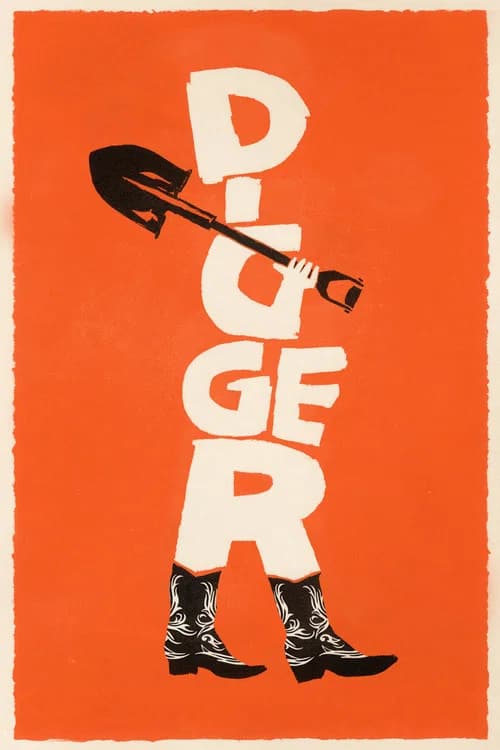
 ⭐ Popular
Digger
ComedySep 28, 2026
Digger
Details
Popularity · Search interest now
Based on TMDb activity
Incoming Editorial TeamVerified
Varkiza (Βάρκιζα) is a Greek-language film following a group of friends who make an annual trip to Varkiza, a suburb of Athens. It is scheduled for release on April 27, 2026.
Varkiza is scheduled for release on April 27, 2026.
The film follows a group of friends who take an annual trip to Varkiza, a suburb of Athens, Greece.
Varkiza is a Greek-language film.
A Greek-language film titled Varkiza — subtitled in its original script as Βάρκιζα — is scheduled for release on April 27, 2026. The film is categorized as both a drama and a comedy, and its premise, as described, is elemental: a group of friends makes an annual trip to Varkiza, a coastal suburb situated on the southern edge of Athens along the Saronic Gulf.
That premise — the recurring reunion, the ritual gathering that holds a social circle together across years — belongs to a recognizable tradition in ensemble filmmaking. The form has been used to trace the slow erosions and renewals of friendship, the way people change between one summer and the next while pretending nothing has. Whether Varkiza uses the annual trip as a structural device to move across time, or whether it confines itself to a single iteration of the ritual, is not yet clear from what has been made public. The comedic and dramatic genre tags together suggest a tonal register that doesn't commit entirely to either register — a blend familiar from films about people who have known one another long enough that their conversations contain as much old grief as new laughter.
The location itself carries associations worth noting. Varkiza is not the Athens of the Acropolis or the Plaka; it is suburban, beachside, ordinary in the way that places people return to out of habit are ordinary. As a setting, it implies a particular social texture — middle-class Athenians, a drive down the coastal road, the same taverna or the same stretch of sand, the comfort and the slight suffocation of the familiar. That geography, unglamorous by the standards of Greek tourism, is in some ways more interesting cinematically than the postcard version of the country, precisely because it is where people actually live and spend their summers.
The film is produced in Greek, which places it within a contemporary tradition of Greek-language cinema that has drawn international attention over the past decade and a half. That broader context — a sustained period of Greek filmmaking that attracted global festival interest — provides one frame through which Varkiza might be considered, though it would be premature to draw any firm line between the film and any particular movement without knowing more about the filmmakers involved. What the language and setting do establish is that this is not a co-production dressed in Mediterranean atmosphere for an outside audience; it appears to be a film made from inside a specific place and a specific social world.
Very little production information is currently available. There are no credited directors, writers, or cast members in the public record at this stage, and the film has not yet accumulated any viewer ratings or critical notices — a reflection of how early in its release cycle it remains. What exists is essentially an outline: a genre pairing, a location, a situation. The absence of credited names is notable if only because it makes it difficult to assess what kind of filmmaking sensibility is at work — whether this is a debut feature, a work by an established Greek director, or something produced outside the traditional festival pipeline. That information will presumably emerge closer to the April 2026 date.
The questions that remain open are the ones that tend to matter most with ensemble dramas of this kind. How many friends, and what kind of history do they share? Does the film observe a single trip in close detail, or does it use the annual repetition to move across years, showing the same people at different points in their lives? Is the comedy rooted in character — in the specific way that people who have known each other for decades revert to old patterns — or is it situational? And what, if anything, disrupts the ritual this particular year? The premise as stated is a situation, not yet a story, and the space between the two is where the film's actual shape will emerge.
There is also the question of tone and whether the drama-comedy classification reflects a genuine ambiguity or simply the conventional hedge of a film that has some humor in it. Greek cinema of recent decades has been notably comfortable with tonal hybridity — the uncomfortable laugh, the scene that turns unexpectedly heavy — and if Varkiza operates in that register, the genre tags would be more meaningful than they might first appear. But that, too, remains to be seen.
The audience most likely to seek this out in April 2026 will be viewers with an existing interest in contemporary European or specifically Greek cinema, along with those drawn to ensemble films about friendship and the passage of time — a durable subject that tends to find its audience quietly, without requiring spectacle.
⭐ PopularDigger
ComedySep 28, 2026
Digger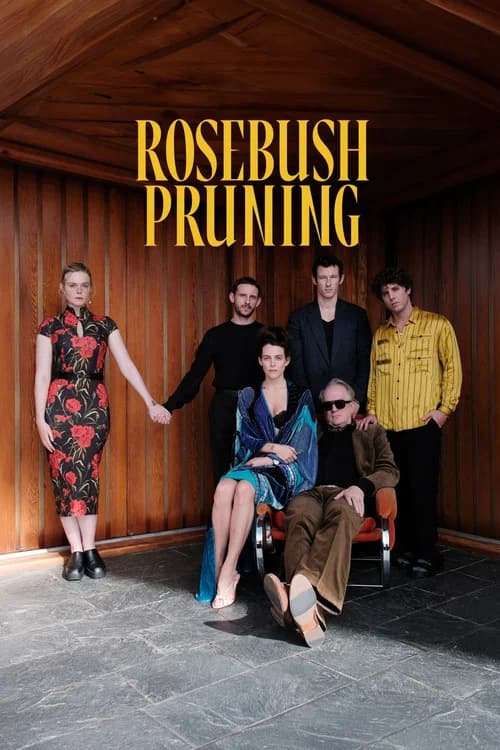 ⭐ Popular
Rosebush Pruning
ComedyApr 23, 2026
Rosebush Pruning
The Devil Wears Prada 2
ComedyApr 29, 2026
The Devil Wears Prada 2 🔥 Hot
Peddi
ActionJun 3, 2026
Peddi 🔥 Hot
Cocktail 2
RomanceJun 19, 2026
Cocktail 2 🔥 Hot
Minions & Monsters
AdventureJun 24, 2026
Minions & MonstersSign in to join the conversation.