




PAW Patrol: The Dino Movie
AnimationJul 23, 2026
PAW Patrol: The Dino Movie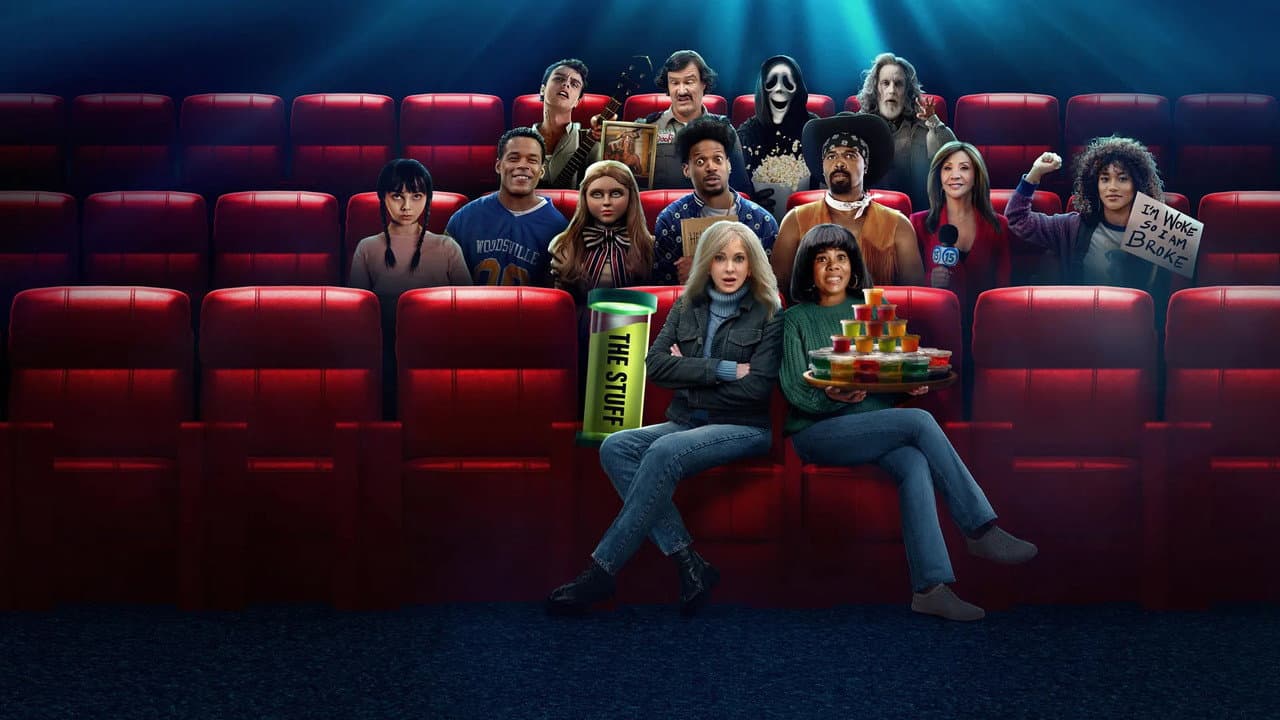
Details
Rating · Quality score from voters
Popularity · Search interest now
Based on TMDb activity
Hype score
leaderboard →Scary Movie sustains Wikipedia searches as initial momentum stabilizes this week.
Links may earn Incoming a commission at no extra cost to you.
Incoming Editorial TeamVerified
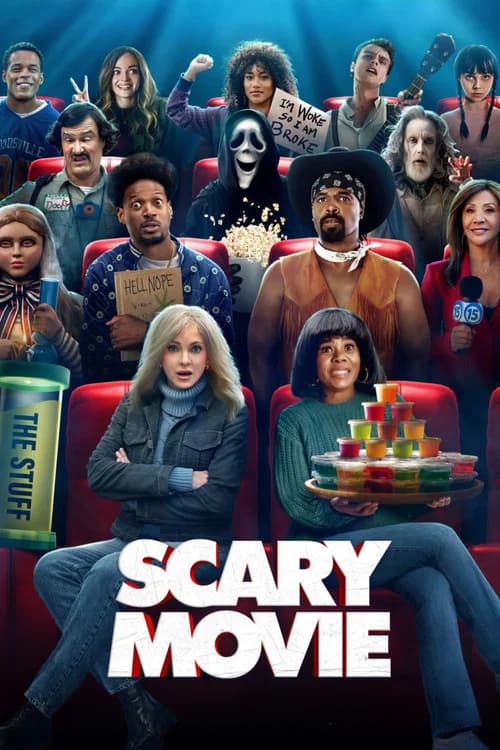
Twenty-six years after outrunning a suspiciously familiar masked killer, the Core Four are back in the killer's crosshairs and no horror movie IP is safe.
The Scary Movie franchise returns to theaters on June 3, 2026, with a new installment produced by Miramax and Wayans Bros. Entertainment. The source description frames the film as a reunion of the original "Core Four" characters, who find themselves once again targeted by a killer with an unmistakably familiar mask, with the promise that no horror movie intellectual property will escape unscathed.
The original Scary Movie arrived in 2000, built almost entirely on the bones of the late-1990s slasher revival — Scream in particular, along with I Know What You Did Last Summer and a handful of others that had collectively revived teen horror in the years following Kevin Williamson and Wes Craven's meta-slasher template. That first film became a significant commercial event, enough to sustain a franchise that eventually stretched to five entries across more than a decade. The series changed creative hands, changed studios in part, and changed tonal registers considerably along the way, with later installments departing from the original's tighter genre focus in favor of broader pop-culture parody. The new film's framing — specifically its emphasis on returning to the Core Four after a twenty-six-year gap — suggests a deliberate effort to reconnect with the logic and the cast of the 2000 original rather than pick up from wherever the franchise's fifth entry left off in 2013.
Twenty-six years is a long interval, and the gap is not incidental to the film's setup. The source description treats the number as meaningful — "twenty-six years after outrunning a suspiciously familiar masked killer" — which positions the returning characters not as they were when audiences last saw them but as people who have lived with the memory of something absurd and threatening for most of their adult lives. Horror-comedy is a precise tonal calibration under ordinary circumstances, and the reunion-sequel format adds another variable: audiences who were teenagers in 2000 are now in their late thirties and forties, and any film that brings back an ensemble associated with a specific cultural moment has to decide whether it is speaking to nostalgia, updating its targets for a new era, or trying to do both simultaneously. The phrasing "no horror movie IP is safe" implies the latter — that the parody apparatus will cast a wide net over whatever the horror landscape looks like in 2025 and 2026, which has itself grown considerably more varied and self-aware than it was when the original film used Ghostface as its central prop.
The involvement of Wayans Bros. Entertainment is worth noting in that structural sense. The original Scary Movie was directed by Keenen Ivory Wayans and written by members of the Wayans family, and the brand name on a production company signals at minimum a formal stake in how the property is shaped. The franchise, under Miramax's broader umbrella, had moved away from Wayans involvement by the time of the later sequels, so the presence of Wayans Bros. Entertainment here marks a return of authorial connection to the people most associated with the series' original identity. Whether that translates to the specific kind of humor, the comedic timing, or the target selection that characterized the 2000 film is something the production itself will determine, but the structural alignment between studio and the family that created the franchise is distinct from the arrangements that governed the middle and later entries.
What the available information does not answer is perhaps the most practically interesting question about this release: who, specifically, is returning. The Core Four designation implies a defined group of characters from the original, but no cast information accompanies the announcement, so it is not yet possible to know whether the actors who played those roles in 2000 are involved or whether the characters are being reconceived with different performers. That distinction matters considerably to how audiences will receive the film's nostalgia mechanics. A reunion that includes the original cast carries a different kind of weight than one that uses character names as connective tissue without the actors who inhabited them. Similarly, the creative team behind the camera — director, writers, the precise nature of Wayans family involvement beyond the production company credit — remains unspecified in the available data, which leaves open the question of whose sensibility will govern the comedic approach.
The horror-parody genre has not been idle in the twenty-six years since the original Scary Movie. The Scary Movie franchise itself helped establish a template that subsequent films, not all of them good, worked to replicate and extend. In the interim, horror itself has undergone enough critical and commercial reappraisal that parody in 2026 is operating against a much richer and more self-conscious source material than it did in 2000. Films that take their own genre conventions seriously while simultaneously acknowledging them have become common enough that the line between object and parody has shifted. A franchise built on exposing the mechanics of horror tropes returns to a landscape where horror has already done much of that exposure itself, which either complicates the satirical project or opens new angles that weren't available the first time around.
Audiences most likely to seek this out fall into a few identifiable groups: viewers with direct attachment to the 2000 original, for whom the Core Four framework will carry genuine recognition; younger audiences for whom the Scary Movie name functions as a brand rather than a specific memory; and the overlapping contingent that follows horror-adjacent releases regardless of franchise affiliation. The June 3 release date places it in summer theatrical territory, which suggests Miramax and Wayans Bros. are positioning it as a broad audience play rather than a niche or limited release.
PAW Patrol: The Dino Movie
AnimationJul 23, 2026
PAW Patrol: The Dino Movie 🔥 Hot
Fall 2: Deadpoint
ThrillerSep 1, 2026
Fall 2: Deadpoint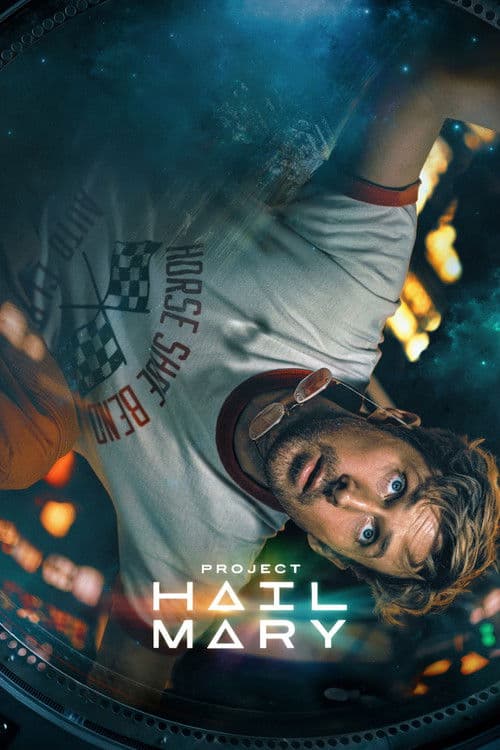 🔥 Hot
Project Hail Mary
Science FictionAmericanMar 15, 2026
Project Hail Mary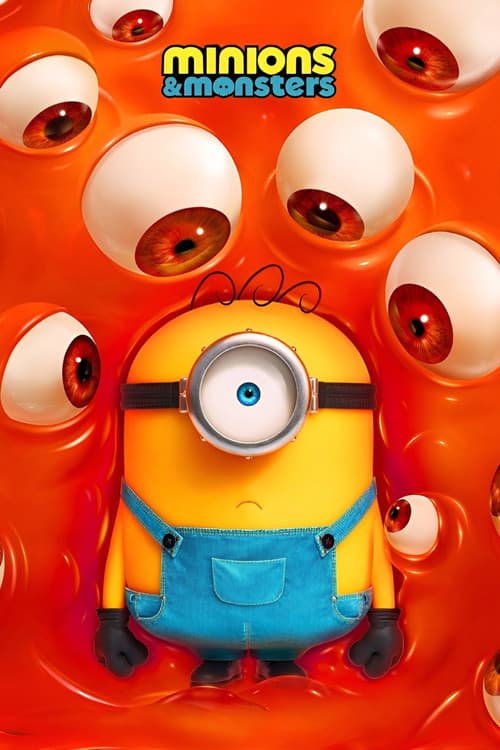 🔥 Hot
Minions & Monsters
AdventureJun 24, 2026
Minions & Monsters 📈 Trending
Mortal Kombat II
ActionMay 6, 2026
Mortal Kombat II ⭐ Popular
Primetime
ThrillerSep 23, 2026
PrimetimeSign in to join the conversation.