 📈 Trending
Peddi
ActionJun 3, 2026
Peddi
Details
Popularity · Search interest now
Based on TMDb activity
Not currently available for streaming or purchase.
Links may earn Incoming a commission at no extra cost to you.
Incoming Editorial TeamVerified
Kai, a fourth grader, has always been the fastest in class—until the new girl, Kiki, outruns him in P.E. Determined to find out why he lost, Kai keeps challenging her in little contests, from paper notes to hallway races. Their playful rivalry slowly turns into a quiet friendship. When they finally race again, it no longer matters who wins—the joy of running together says it all.
A Taiwanese children's drama called Ready! Beep! — known in its original Chinese-language title as 預備!嗶! — is scheduled for release on April 25, 2026. The film centers on Kai, a fourth-grade boy who has long held the distinction of being the fastest runner in his class, a small but meaningful source of pride in the social ecosystem of elementary school. That identity is disrupted when a new girl named Kiki arrives and beats him in a physical education class race. What follows, according to the film's premise, is a series of small, self-initiated competitions Kai arranges — paper notes, hallway races, improvised contests of one kind or another — as he tries to diagnose what went wrong and, implicitly, reclaim his position. Over the course of these encounters, the rivalry gradually softens into something more like companionship, and by the time the two children race again, the outcome has apparently become secondary to the experience of running alongside each other.
The film is categorized as a drama, which is worth noting given that its subject matter — a grade-school rivalry between two children — might in other hands be treated as light comedy or straightforward family entertainment. Framing it as drama signals a certain intentionality about emotional register. The story structure, as described, follows a recognizable arc: competition as a vehicle for connection, with the final race functioning less as a climax in the athletic sense and more as a kind of quiet resolution. That the narrative resolves not with a winner declared but with the act of running together as its own conclusion is a choice that places the film closer to reflective, character-driven work than to the sports-underdog genre with which a running-focused children's story might otherwise be grouped.
The original language is Chinese, and the film's Wikipedia entry is listed under the title Beep, Beep (film), suggesting that it has at least some presence in English-language reference materials, though what that indicates about its distribution plans or intended markets beyond its primary audience remains unclear from the available information. No director, production company, distributor, or cast names are attached to the structured data, which means the authorship behind the film — who is responsible for its visual sensibility, its script, its performances — is not something that can be assessed in advance. This is not unusual for smaller productions at an early stage of their international profile-building, but it does mean that prospective audiences are working almost entirely from premise rather than from pedigree.
The premise itself raises questions that the available materials do not answer. The film's emotional climax, as described, hinges on a shift in Kai's internal orientation — from wanting to understand and reverse a loss to finding satisfaction in participation and companionship. That kind of interiority is narratively simple to state but cinematically and dramatically demanding to render convincingly, particularly with child actors. How the film earns that transition, what specific scenes or interactions carry the weight of Kai's change of perspective, and whether Kiki is given equivalent interiority or remains primarily a catalyst for Kai's development are all open questions. The description of the story is told almost entirely from Kai's point of view, with Kiki's motivations and inner life largely absent from the summary. Whether that asymmetry reflects the film's actual structure or simply the way its premise has been packaged for external audiences is impossible to determine without seeing the film itself.
There is also the matter of what the "playful rivalry" concretely looks like in practice. The summary mentions paper notes alongside hallway races, which suggests the competition is not limited to physical performance but extends into other registers — a detail that hints at some inventiveness in the film's episodic structure. Whether the film develops these individual contests with comic texture, or treats them as largely transitional material on the way to its emotional conclusion, would substantially affect what kind of viewing experience it actually offers.
The setting — an elementary school in what is presumably a Chinese-speaking context — places the film within a tradition of East Asian children's cinema that has occasionally crossed into broader international recognition, though the data here does not connect Ready! Beep! to any particular lineage of filmmakers or prior works. The story's focus on the specific social hierarchies and small dignities of childhood, the way a single footrace can organize a child's sense of self, is a recognizable preoccupation in films aimed at younger audiences and at adult viewers who respond to childhood experience rendered with precision rather than sentimentality.
The audience most likely to seek out Ready! Beep! is probably composed of two overlapping groups: families with children in the approximate age range of the protagonists, for whom the school setting and competitive dynamic will read as immediately legible, and adult viewers drawn to quieter, character-focused drama in the Chinese-language cinema space. Whether the film travels beyond its home market in any significant way will depend on distribution decisions and festival positioning that are not yet visible in the current data. For now, it exists as a premise and a release date — a children's story about running that, at least on paper, seems more interested in what running means to a child than in who crosses the finish line first.
📈 TrendingPeddi
ActionJun 3, 2026
Peddi ⭐ Popular
Digger
ComedySep 28, 2026
Digger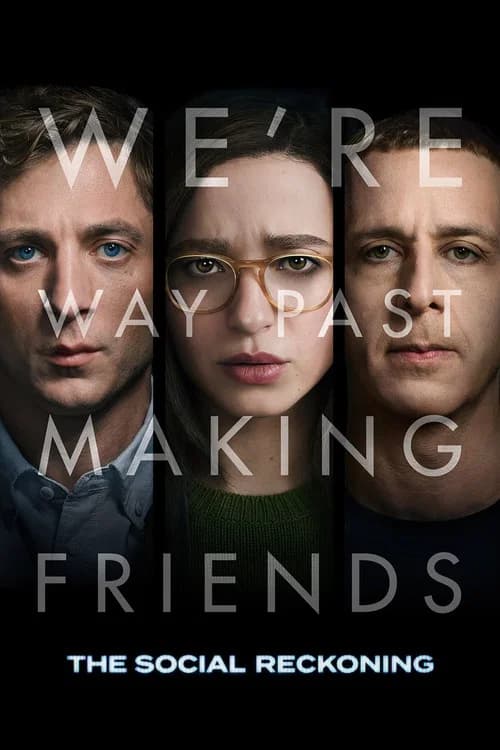 🔥 Hot
The Social Reckoning
DramaOct 7, 2026
The Social Reckoning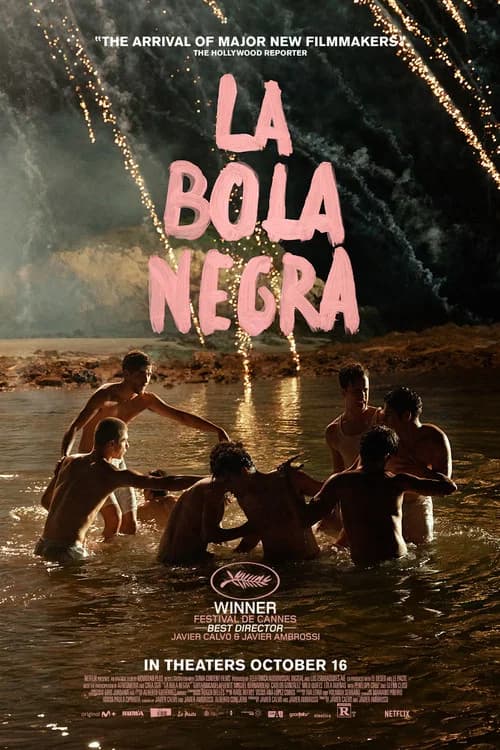
LA BOLA NEGRA
DramaSep 25, 2026
LA BOLA NEGRA ⭐ Popular
Primetime
ThrillerSep 23, 2026
Primetime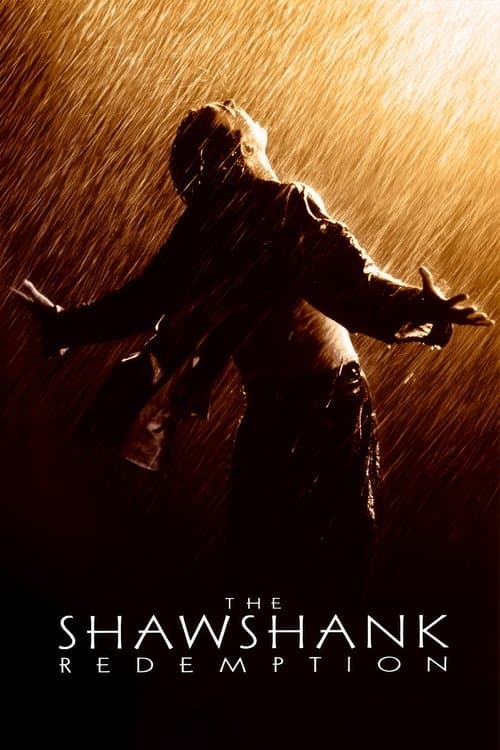
The Shawshank Redemption
DramaSep 23, 1994
The Shawshank RedemptionSign in to join the conversation.