 📈 Trending
Hope
Science FictionJul 15, 2026
HopeDetails
Popularity · Search interest now
Based on TMDb activity
Hype score
leaderboard →Barbie - 11.B held strong Wikipedia traffic before experiencing recent interest decline.
Not currently available for streaming or purchase.
Links may earn Incoming a commission at no extra cost to you.
The metadata here presents an unusual puzzle. Something titled "Barbie - 11.B" is scheduled for release on April 24, 2026, and the structured data connects it to a Wikipedia entry for "Barbie (film)" while listing Hungarian as its original language. That combination — the "11.B" suffix, the Hungarian-language designation — suggests this is almost certainly not the 2023 Greta Gerwig-directed blockbuster that grossed over a billion dollars worldwide, but rather a distinct Hungarian production that shares, or plays on, the same title.
Beyond that, the available data is sparse. No genre tags are attached. No production keywords have been logged. The popularity score is negligible, consistent with a release that has generated little to no broad international attention at the time of this writing. What can be said with confidence is limited to what's in the record: a film, Hungarian in origin, titled "Barbie - 11.B," arriving in late April 2026.
The "11.B" construction is a recognizable format in Central and Eastern European school culture, where class designations — a year number followed by a letter — identify a particular cohort of students in a given academic year. An 11.B class would be a group of eleventh-graders, and titles structured this way tend to signal coming-of-age comedies or dramas set in secondary schools. Hungarian cinema has a long tradition of school-set stories that use the classroom as a social microcosm, exploring adolescent dynamics, peer pressure, romantic entanglements, and the friction between individual identity and group belonging. Whether this film belongs to that tradition remains unconfirmed by the data, but the titling convention is suggestive in a way worth noting.
The pairing of "Barbie" with that school-class suffix is harder to read without additional context. It could indicate a character nickname, a generational shorthand, or a deliberate nod to the cultural saturation of the Barbie name post-2023 — though attaching any specific intent to the title would be speculation beyond what the structured data supports. What the title does accomplish is a certain immediate recognizability, borrowing resonance from a name that needs no introduction in global popular culture while anchoring it in something distinctly local.
The April 24, 2026 release date places the film in a spring theatrical window, which in many European markets is associated with domestic releases targeting younger audiences as the school year approaches its final stretch. Again, that observation fits loosely with the 11.B framing, but the data does not confirm a theatrical release strategy, a distributor, or a target demographic.
No director, writer, cast, or production company is listed in the structured metadata. That absence is notable not because it signals anything sinister about the production, but because it leaves the film essentially anonymous at this stage. A release with no attached creators in the public record this far out tends to fall into one of a few categories: a project still in early development or production, a smaller domestic release whose credits have not yet been aggregated by international databases, or a title whose English-language metadata has simply not been populated with information that may exist in Hungarian-language sources.
The Wikipedia connection to "Barbie (film)" could be a tagging artifact — databases sometimes cluster titles with shared keywords or name strings rather than confirming a direct relationship — or it could indicate that the film is a deliberate response to, parody of, or conversation with the 2023 film's themes and cultural footprint. Without further data, that question stays open.
What is also open: whether the film is a theatrical feature, a television movie, or a streaming production. The release date is formatted as a standard calendar date, which calendar sites apply to all categories, and nothing in the structured data narrows the distribution format. Hungarian productions of this profile are released across theatrical, television, and streaming platforms, often simultaneously or in close succession.
The near-zero popularity score in the available data reflects the film's current profile outside Hungary rather than any judgment of its quality or domestic significance. Small-language productions frequently carry low international popularity scores on aggregator platforms right up to and after their release, particularly when their marketing and press are conducted primarily in their home market.
The audience most likely to seek this out proactively is Hungarian-speaking viewers already tuned into domestic film releases, particularly those with an interest in contemporary local productions or school-set narratives. Internationally, it may attract attention from audiences tracking Hungarian cinema, from viewers curious about how Central European filmmakers are engaging with post-2023 Barbie-adjacent cultural territory, or from researchers and journalists covering the long tail of influence the Gerwig film has had across global media. For general audiences outside Hungary, it will likely remain below the radar unless reviews or festival appearances shift its profile considerably between now and its April release date.
📈 TrendingHope
Science FictionJul 15, 2026
Hope 📈 Trending
Supergirl
ActionJun 24, 2026
Supergirl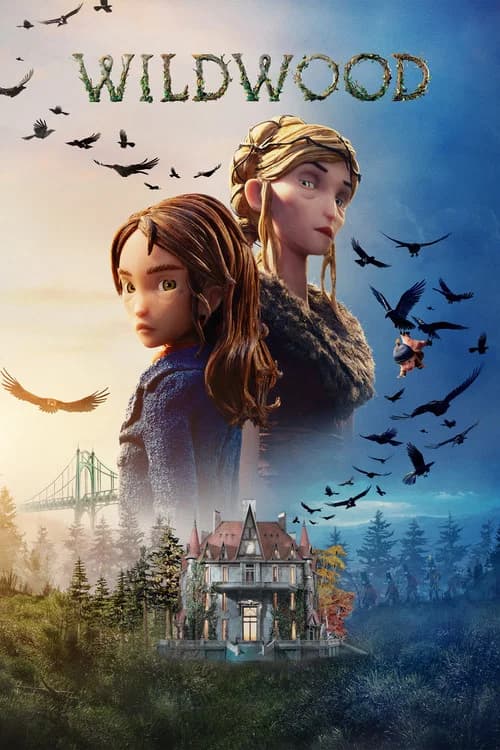 📈 Trending
Wildwood
AnimationOct 19, 2026
WildwoodReleased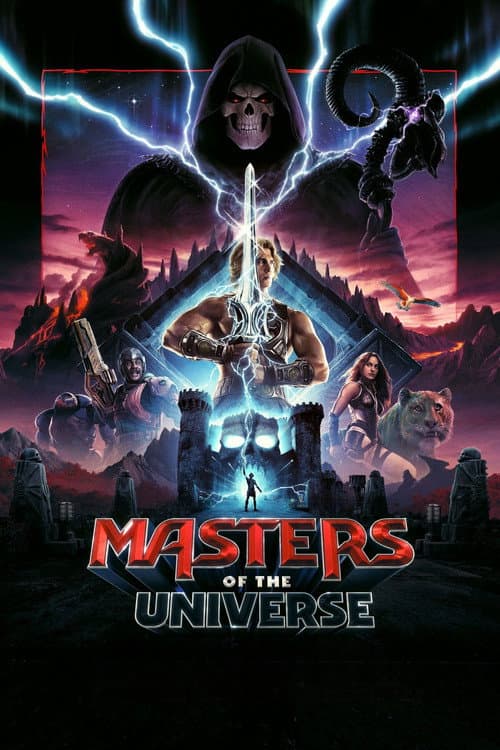 📈 Trending
Masters of the Universe
ActionJun 3, 2026
Masters of the Universe 📈 Trending
Verity
MysterySep 30, 2026
Verity 📈 Trending
Mortal Kombat II
ActionMay 6, 2026
Mortal Kombat IISign in to join the conversation.