
🔥 Hot
You Can See Everything
DocumentaryOct 16, 2026
You Can See EverythingReleased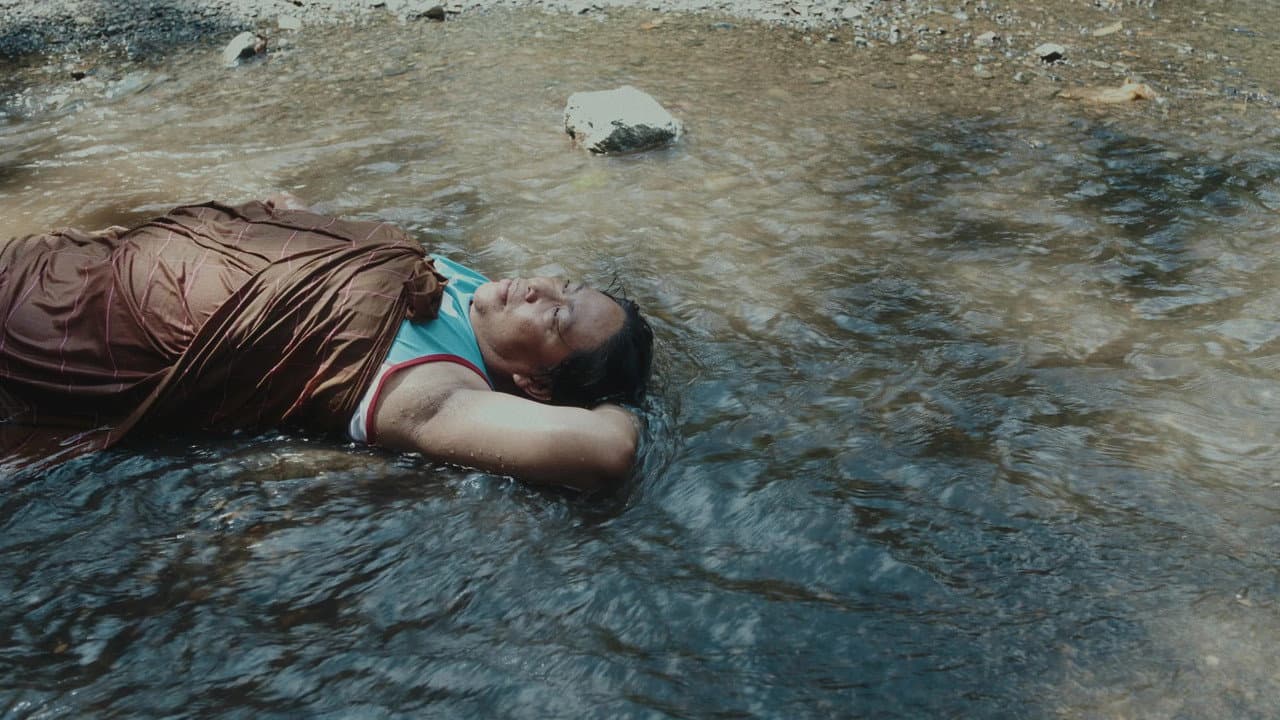
Details
Popularity · Search interest now
Based on TMDb activity
Not currently available for streaming or purchase.
Links may earn Incoming a commission at no extra cost to you.
Incoming Editorial TeamVerified
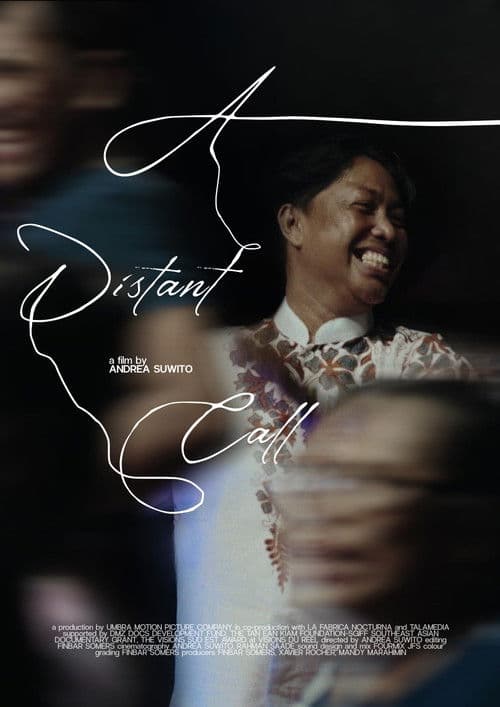
In the ancient Bugis way of life in Indonesia, gender non-binary 'bissu' were once revered spiritual leaders. Eka, one of the last remaining bissu, decides to leave behind their identity, searching for belonging in a world that insists on definitions.
A documentary titled A Distant Call, produced by Umbra Motion Picture Company, Talamedia, and La Fabrica Nocturna Productions, is scheduled for release on April 24, 2026. Shot in Indonesian — the film's original language — it centers on Eka, identified as one of the last remaining bissu, and the decision Eka makes to leave behind that identity in search of belonging in a world that does not easily accommodate lives lived outside its categorical expectations.
The bissu are a subject that most international audiences will be encountering for the first time. Within the ancient Bugis society of Indonesia, the bissu occupied a specific and formally recognized spiritual role — gender non-binary figures who were once revered as ritual leaders, functioning at a remove from the binary divisions that structured ordinary Bugis life. The film's source description characterizes them as having been "once revered," a phrase that carries its own weight: it situates the bissu not as a living cultural institution in full flower but as something the modern world has largely displaced, leaving individuals like Eka to navigate a position that exists more fully in historical memory than in present social infrastructure. That framing alone — the tension between a tradition that once conferred dignity and a contemporary landscape that has eroded the conditions for that dignity — gives the documentary its structural premise before a single frame is seen.
What makes Eka's story particularly specific, and particularly difficult to categorize by the conventions of identity-focused documentary filmmaking, is that the subject is not fighting to preserve the bissu identity or demanding its recognition from a hostile society. The move Eka makes, as described, is away from that identity — a departure rather than a defense. Documentaries about gender non-conforming individuals in non-Western cultures tend, almost as a genre reflex, to frame their subjects as embattled custodians of something the world is trying to erase. A Distant Call appears to be working with a more unsettled set of materials: a person who has decided, for reasons the film will presumably explore, that the category itself no longer serves them, or perhaps never fully did. Whether Eka's decision is experienced as liberation, loss, pragmatic accommodation, or something that resists all three framings is not something the available information resolves.
The three-studio production arrangement — spanning what appear to be Indonesian, Spanish, and additional production entities given the names involved — suggests a co-production structure common to documentary work that originates in one country and seeks international distribution through partnerships assembled in others. This kind of arrangement often reflects both the financial realities of non-English-language documentary filmmaking and the curatorial interest of international producers in stories with cross-cultural reach. It does not, by itself, say anything definitive about the film's perspective or approach, but it is worth noting that a story rooted in Bugis cultural specificity is arriving via a multi-national production apparatus. How that apparatus shapes the film's relationship to its subject — whether it introduces a mediating layer of explanation aimed at outside audiences, or trusts viewers to encounter Eka's world on its own terms — is among the more open questions the film will have to answer for itself.
The documentary genre, for its part, has in recent years shown sustained interest in gender and spiritual identity outside Western frameworks — films exploring hijra communities in South Asia, two-spirit traditions in Indigenous North American cultures, and similar subjects have found both festival audiences and streaming platforms willing to engage with them. A Distant Call enters that loose conversation with a subject that is genuinely distinct: the bissu are not widely documented in international film, and the Bugis cultural context, with its historically recognized five genders, represents a social structure that differs in kind from both Western binary norms and from the gender frameworks that have received more screen attention. That specificity is either the film's greatest asset or its largest challenge, depending on how willing audiences are to do the work of cultural orientation that the subject demands.
Several questions remain practically unanswered as the release approaches. The director is not identified in the available information, which makes it impossible to assess what filmmaking sensibility is being brought to the material — whether this is an observational, slow-cinema approach or something more interventionist, whether the film situates Eka's story within explicit historical and anthropological context or leaves that work largely to the viewer. The running time is unknown. The distribution path — whether A Distant Call will arrive through festival circuits before a wider release, or go directly to a particular platform or theatrical window — is not specified by the April 2026 date alone. These are not minor details; for a documentary in a non-dominant language about a subject unfamiliar to most of its likely audience, the presentation context shapes the experience considerably.
The audience most likely to seek this out is one already attentive to documentary work that takes non-Western cultural forms seriously on their own terms — viewers who followed films exploring gender and spiritual identity in Southeast Asian or other Global South contexts, or who came to the subject through academic, journalistic, or activist interest in Bugis culture specifically. Given the production's Indonesian-language origins and international co-production structure, it will also likely find a natural home on the documentary festival circuit before broader distribution, which is where such an audience tends to first encounter this kind of work.
You Can See Everything
DocumentaryOct 16, 2026
You Can See EverythingReleased ⬆️ Rising
The Mongoose
ActionOct 29, 2026
The MongooseReleased ⬆️ Rising
The Runner
ThrillerSep 3, 2026
The Runner ⬆️ Rising
Star Wars: The Mandalorian and Grogu
ActionMay 20, 2026
Star Wars: The Mandalorian and Grogu ⬆️ Rising
Crawlers
HorrorSep 24, 2026
Crawlers ⬆️ Rising
The Fix
ActionSep 10, 2026
The FixSign in to join the conversation.