There's a specific kind of exhaustion that sets in around the third act of a Marvel movie when the sky turns purple, a portal opens, and an army of computer-generated something-or-others pours through it. You've seen it. You know the feeling. It's not boredom exactly — it's the slow realization that no matter how loud the sound design gets, nothing on screen feels like it actually matters.
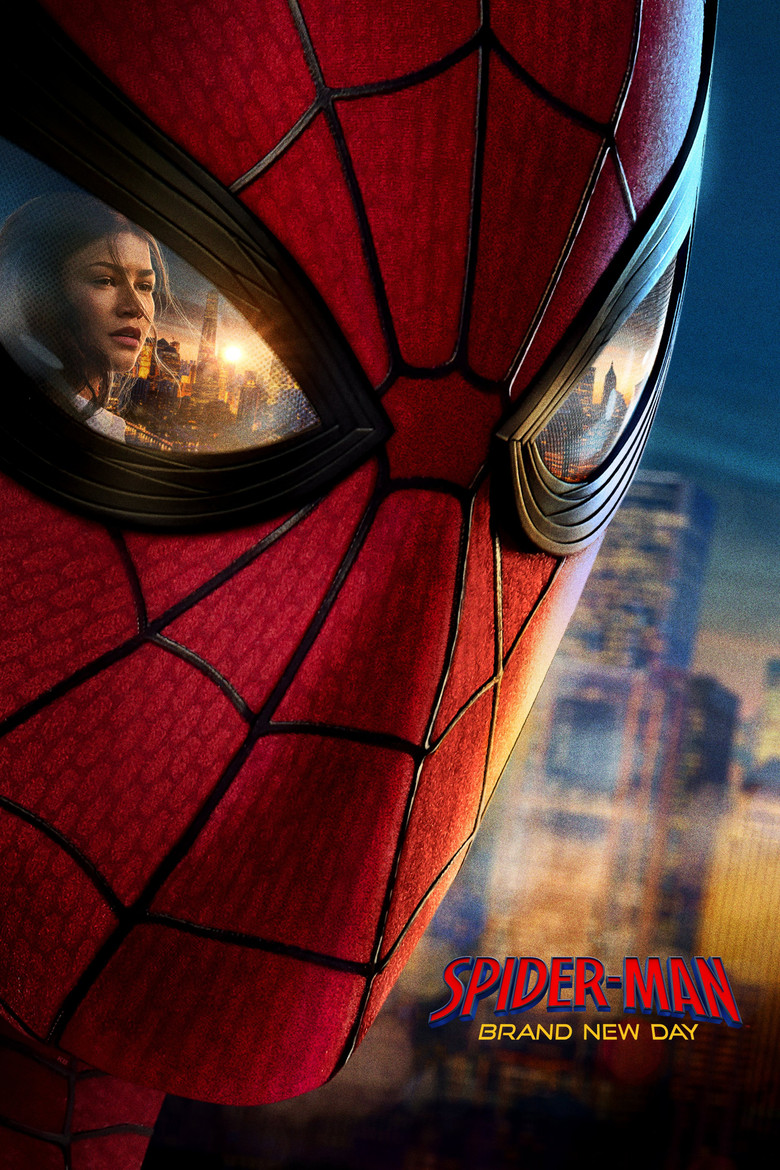
Spider-Man: Brand New Day doesn't open with a portal. It opens with Peter Parker running across a rooftop in Queens, out of breath, trying to make rent.
That's not a small creative choice. For a franchise that spent three years sending its heroes across alternate dimensions to fight abstracted threats with no spatial logic, pulling the camera back down to street level is almost a political act. Directed by Destin Daniel Cretton and written by Erik Sommers, Chris McKenna, and Justin Kuritzkes, the film earns its 8.2 on IMDb and its 8.0 on TMDb not by spectacle, but by giving the audience something superhero cinema has been quietly starving them of: a reason to actually care.
Quick Info
- Genre: Action / Street-Level Thriller
- Director: Destin Daniel Cretton
- Cast: Tom Holland, Zendaya, Sadie Sink, Jacob Batalon, Diego Calva
- US Release: July 28, 2026
- Rating: PG-13
- Distributor: Columbia Pictures / Marvel Studios
- Runtime: In theaters now
▶ Watch Official Trailer & Find Showtimes →
The CGI Problem Superhero Cinema Couldn't Ignore
The phrase "superhero fatigue" gets thrown around so much it's started to lose meaning. But strip away the think-pieces and what you have is a concrete problem: audiences stopped trusting the stakes.
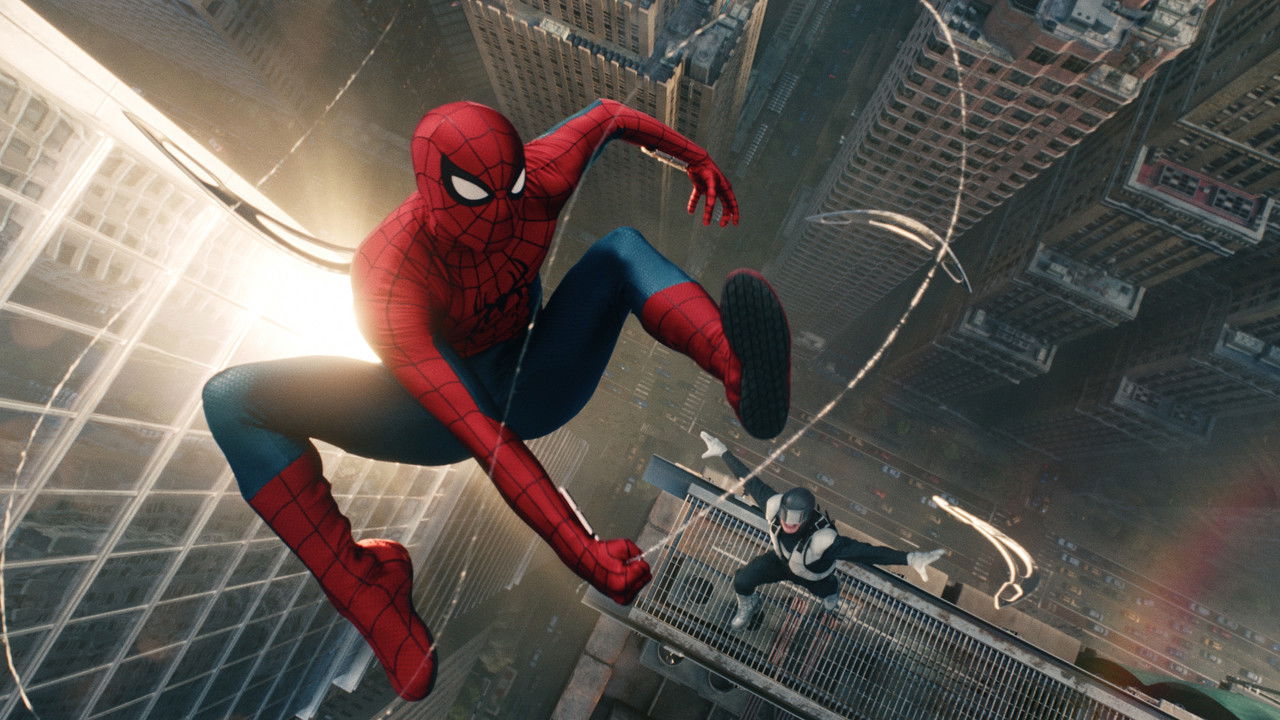
When every film in a franchise ends with reality itself on the line, reality stops feeling fragile. The Multiverse Saga made this worse. By spreading the threat across infinite timelines and dimensions, the MCU accidentally made every individual moment feel smaller — because if this universe gets destroyed, there's always another one. The emotional math stopped adding up.
Brand New Day doesn't try to fix the multiverse. It ignores it. The threat here is localized: street crime, municipal corruption, and the kind of danger that ends with someone bleeding on concrete rather than a galaxy imploding. Metacritic landed it at 66, and the critics who pushed that number down were largely the ones waiting for a grander statement. They missed the point. The restraint is the statement.
3 Reasons This One Actually Lands
1. From "Save the Universe" to "Save the Person"
The script by Sommers, McKenna, and Kuritzkes — an unusually inspired pairing given that Kuritzkes came off Challengers and Queer, two films about as far from blockbuster territory as you can get — makes a precise choice early on: the film's central threat is a single life, not a civilization.
When the stakes drop from "the fate of existence" to "one person in a specific apartment building on a specific block," something counterintuitive happens. The danger gets louder. You find yourself actually tense in ways that three Infinity Gauntlet movies couldn't manage, because the film has given you a person to track rather than a concept to comprehend. The vulnerability feels physical, not theoretical.
Mind you, it's not a small film. The action sequences are genuinely impressive. But every set piece is grounded in geography — you always know where Peter is in relation to where he needs to be, which is a craft discipline that a lot of recent superhero filmmaking has quietly abandoned.
2. Grounded Filmmaking With Real Weight
The action choreography here is deliberately rougher than you'd expect from a $200 million production. Peter's landings sound wrong in the best way — you hear the impact, the scramble, the grunt of someone who doesn't have a shock-absorbing suit running on Stark Industries tech. He lands on tar rooftops and fire escapes. He misjudges a swing and clips a water tower.
Cretton shoots the New York streets with the same textural attention he brought to Shang-Chi — grimy, specific, alive. The film's visual grammar sits closer to a 90s street-crime thriller than a superhero blockbuster, which pulls the tone toward something genuinely tense rather than cinematically grand. When street-level characters from Marvel's darker corners appear alongside Peter, the tonal contrast pays off: their world makes his optimism look fragile, not naive, and that's a harder needle to thread than it sounds.
3. The Loneliest Person in the Most Crowded City
Here's the throughline that ties everything together: New York is eight million people packed into a grid, and Peter Parker has never been more alone in it.
The tech is stripped back by design. No AI co-pilot, no suit that patches itself, no Avenger to call. He fixes his own gear, improvises his own web formula, and treats his own injuries in a studio apartment that costs more than he earns. The film is careful to frame this not as humiliation but as the actual source of his power — not the web-shooters, but the specific character of someone who has every reason to stop and doesn't.
That's the comic book character at his core, and it's the version of Spider-Man that the franchise has been circling without quite landing on until now. Tom Holland has never been better, mostly because the script finally gives him something to lose that doesn't reset at the end of the film.
What This Film Tells the Industry
Brand New Day is not a perfect movie. The second act loses momentum in two consecutive scenes that feel like they belong in different drafts, and Sadie Sink, for all her screen presence after Stranger Things, is given surprisingly little to do given the billing. These are real caveats.
But the film's core argument lands: the future of superhero cinema is not bigger effects. It's tighter character work and smaller geography. The audience didn't stop caring about superheroes. They stopped caring about threats that have no address.
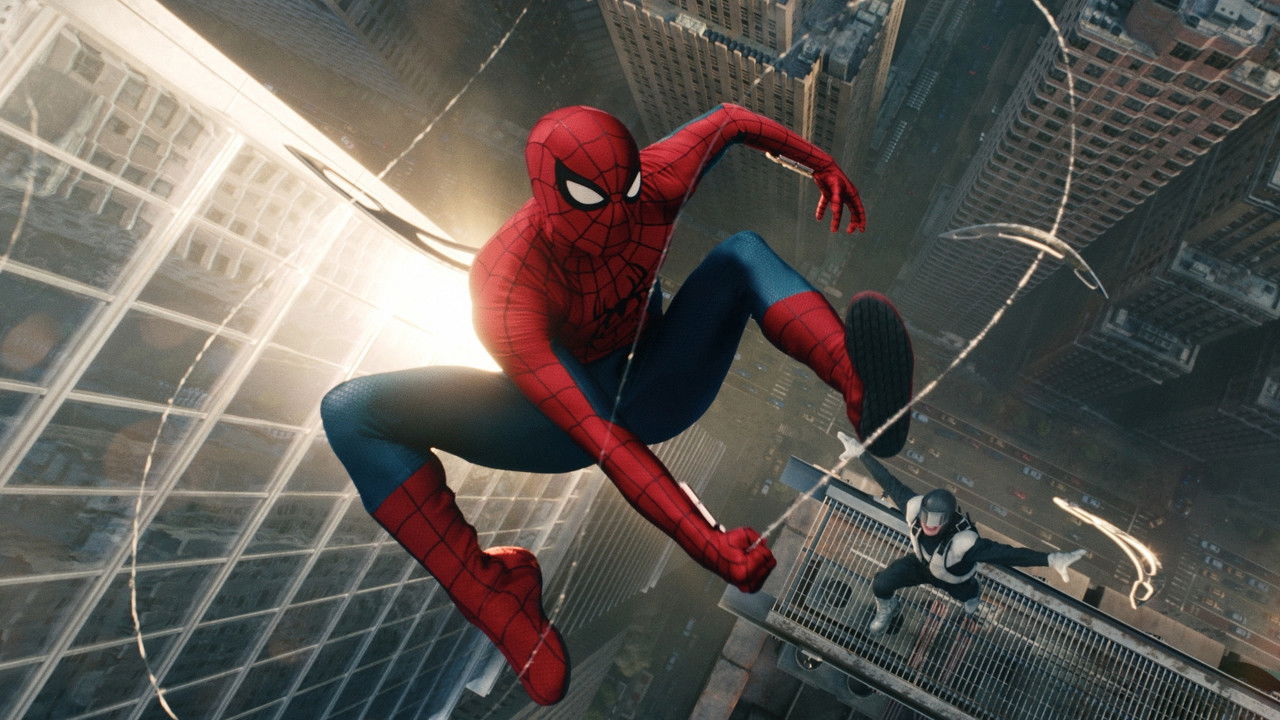
Spider-Man works at street level because that's where the original character was always built to operate — not among gods, but among people. When the film remembers that, it's the most alive Marvel has felt in years. And given where the franchise has been, that's not a small thing to say.
▶ Watch official trailers, full cast, and showtimes →
Frequently Asked Questions
When did Spider-Man: Brand New Day release in theaters? Spider-Man: Brand New Day opened in US theaters on July 28, 2026, distributed by Columbia Pictures and Marvel Studios.
Who directed Spider-Man: Brand New Day? The film was directed by Destin Daniel Cretton, who previously directed Shang-Chi and the Legend of the Ten Rings (2021) for Marvel.
Who wrote Spider-Man: Brand New Day? The screenplay was written by Erik Sommers and Chris McKenna, who co-wrote Spider-Man: Homecoming and No Way Home, with additional work by Justin Kuritzkes, the screenwriter behind Challengers (2024) and Queer (2024).
What is Spider-Man: Brand New Day rated? The film is rated PG-13 by the MPAA.
Is Spider-Man: Brand New Day connected to the Multiverse Saga? The film is set within the MCU but deliberately pulls focus away from multiverse storylines, centering on street-level threats in New York City rather than universe-spanning conflicts.
Why do audiences rate Spider-Man: Brand New Day higher than critics? The film holds an 8.2 on IMDb against a 66 on Metacritic — a gap that reflects the film's priorities. Critics expecting a grander narrative scope found the intentional restraint underwhelming. Audiences rewarded the tighter character focus and the return to a smaller-scale, emotionally grounded Spider-Man story.
Where can I track Spider-Man: Brand New Day showtimes and streaming? You can follow release activity, trailers, and streaming availability on incoming.to, updated daily.