Starring





Incoming Editorial TeamVerified
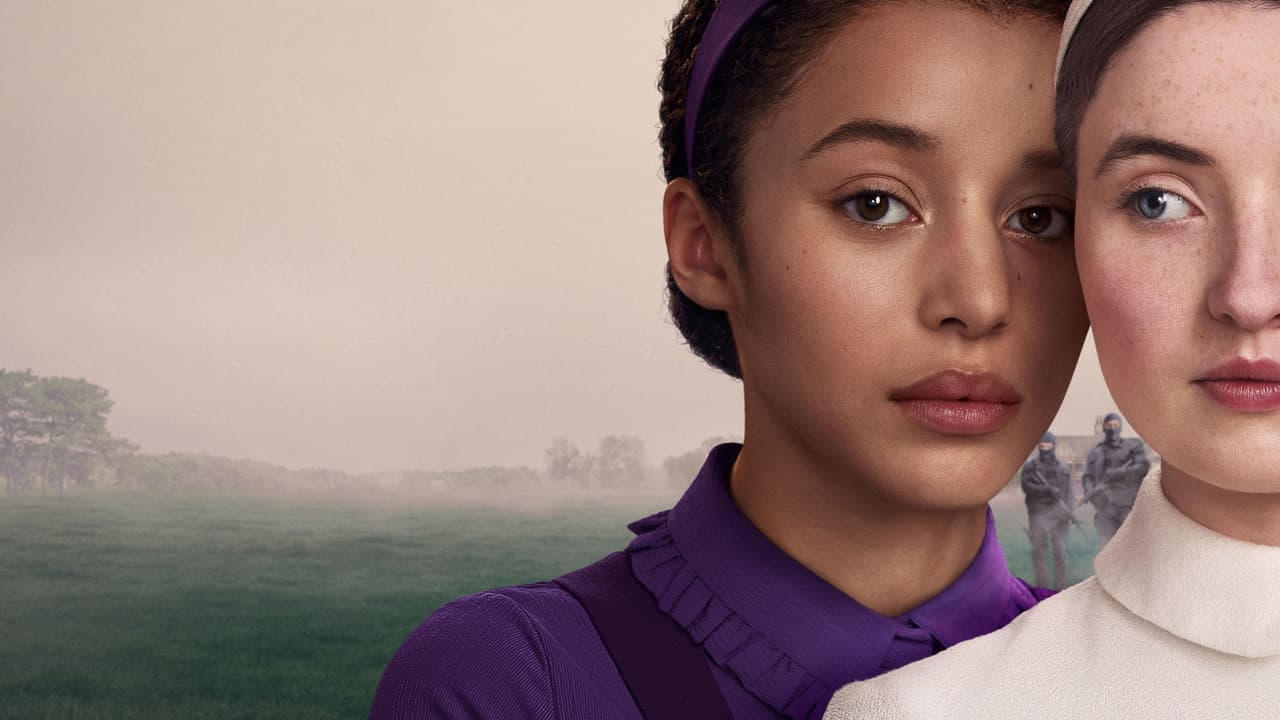
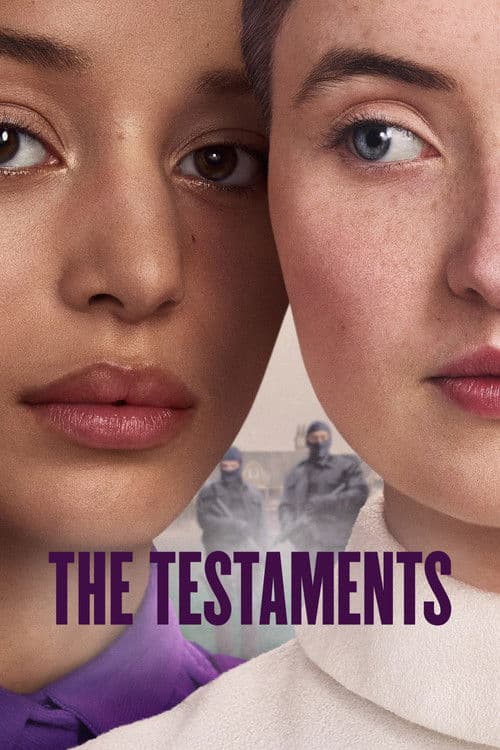
Growing up in Gilead is all they have ever known. As a new generation of young women grapple with the bleak future that awaits them, they will be forced to search for allies, new and old, to help in their fight for freedom.
Trailer
Gallery (21)
Episodes
✓ Previously aired
About this release
Margaret Atwood's 2019 novel The Testaments — the Booker Prize-winning sequel to The Handmaid's Tale — is being adapted as a television series produced by MGM Television, The Littlefield Company, and White Oak Pictures, with its release set for April 8, 2026, on Hulu.
The source material arrives with considerable literary weight. The Testaments won the Booker Prize in 2019, sharing the prize that year, and was one of the more anticipated sequels in recent literary memory given the cultural footprint of The Handmaid's Tale. That predecessor novel had already made a significant journey to the screen: the Hulu adaptation of The Handmaid's Tale ran for multiple seasons and became one of the platform's defining prestige dramas, making the red-cloaked imagery of Gilead recognizable far beyond the readership of Atwood's original 1985 novel. This new series, then, arrives not as a cold adaptation of a standalone text but as something more layered — a television production derived from a book that was itself already in conversation with a television series that had diverged substantially from its source novel over the years.
Atwood's The Testaments is set roughly fifteen years after the close of The Handmaid's Tale and is structured around three narrators: two young women who have grown up entirely inside the world of Gilead, and the older, formidably positioned Aunt Lydia, a figure familiar to viewers of the earlier series. The television adaptation's logline gestures toward this generational framing — "a new generation of young women" confronting the futures Gilead has mapped out for them — and the search for allies, both new and old, suggests the narrative's central tension between the world these young women have inherited and the resistance that may still exist within it. The show is structured across two seasons of ten episodes total, a compressed format that implies either a faithful compression of the novel's three-strand narrative or meaningful editorial choices about what to carry forward and what to reconceive.
What's notable from a production standpoint is the involvement of The Littlefield Company, whose principal Warren Littlefield served as a longtime executive producer on the Handmaid's Tale series, creating an institutional thread between the two adaptations. That continuity on the producing side raises questions about how closely this new series will align with the television version of Gilead that Hulu's audience has spent years with, as opposed to resetting toward a stricter reading of Atwood's sequel novel. The Hulu streaming home reinforces this continuity — the platform is keeping the Gilead story within its own catalog — though whether the two series are being positioned as directly continuous or as adjacent interpretations remains, at least for now, unstated in what's publicly available.
The ten-episode, two-season structure invites some curiosity. The Testaments as a novel runs roughly 400 pages across its three-narrator format, and the story's architecture — converging timelines, documents within documents, testimony framed as historical record — lends itself to serialized drama but also requires meaningful choices about pacing and point of view. A ten-episode total is relatively modest for a prestige drama adapting a novel of this scope, and it suggests the production has opted for a tighter, more cinematic shape rather than the sprawling multi-season run of its predecessor. Whether that restraint serves the material or compresses it to the point of loss is one of the more genuinely open questions hanging over the project.
There is also the matter of casting, which has not surfaced in the available information. The three narrators of Atwood's novel are among the more demanding roles the story offers: Agnes and Nicole, the two young women at the center of Gilead's new generation, and Aunt Lydia, whose interiority in the novel is considerably more complex than her antagonist role in the earlier television series. Ann Dowd, who played Aunt Lydia across the run of The Handmaid's Tale and won an Emmy for the role, is closely associated with the character for Hulu's audience, and her involvement or absence here would carry considerable interpretive weight about the relationship between the two series. No casting information has been confirmed in the available data.
The logline's emphasis on young women searching for allies in a fight for freedom is broad enough to apply to almost any dystopian narrative, and it tells relatively little about the specific texture of Atwood's sequel — particularly its unusual structure of testimonies and archived documents, or the role that Aunt Lydia plays not simply as a villain but as a survivor with her own calculations about how change might come from within the system itself. Whether the adaptation leans into that moral complexity or smooths it toward a cleaner resistance narrative is something the available information doesn't resolve.
The audience most likely to seek this out will fall into a few distinct camps: readers of Atwood's novel who are curious how its triple-narrator architecture translates to screen, viewers who followed the Handmaid's Tale series through its run and want to see how the story continues in the Hulu universe, and audiences drawn more generally to prestige drama with political and feminist undercurrents. For all of them, the central unknown is the same — how closely this new production aligns with the novel's specific moral intelligence, and whether a ten-episode run can do justice to a story that Atwood built around the idea that history is always told by those who survived it.
Comments
Sign in to join the conversation.
Loading…