Details
- Language
- Japanese
- Country
- JP
- Studio
- Robot Communications
- Seasons
- 1 · 8 eps
- Theme
- redemptionsports
Popularity · Search interest now
Low
3.6
Based on TMDb activity
Starring








Where to watch
Not currently available for streaming or purchase.
Links may earn Incoming a commission at no extra cost to you.
Incoming Editorial TeamVerified
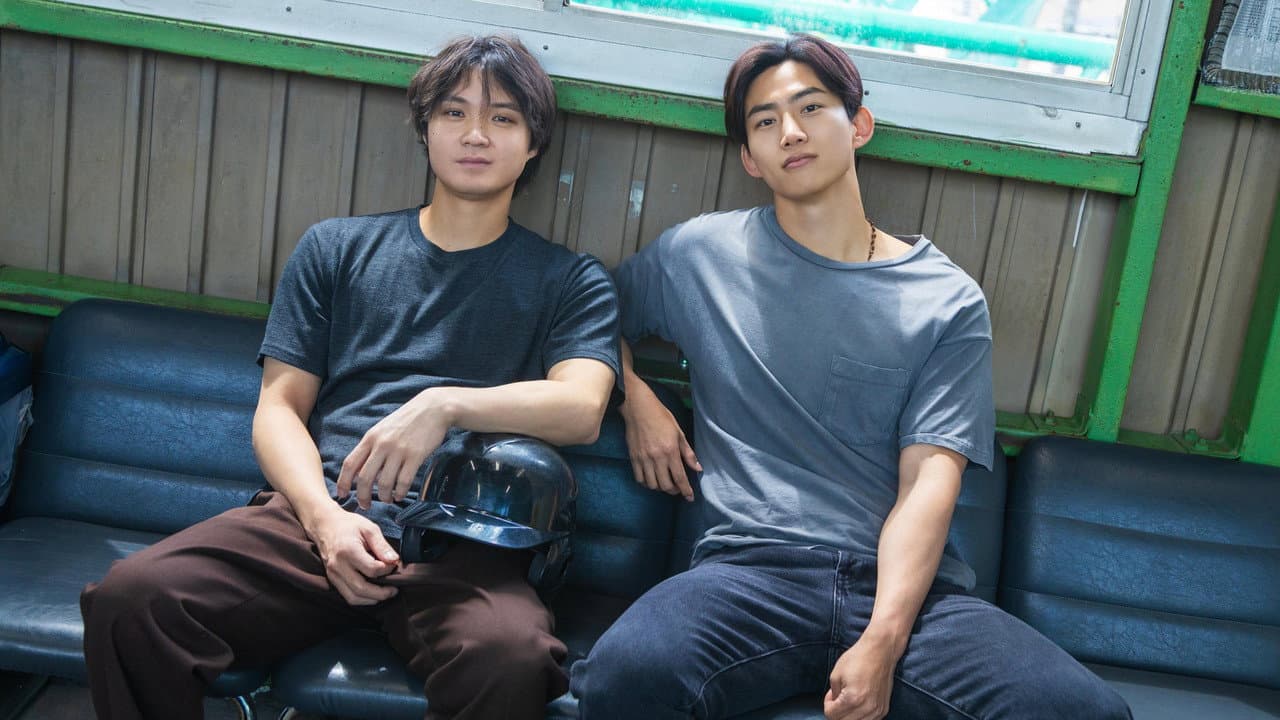
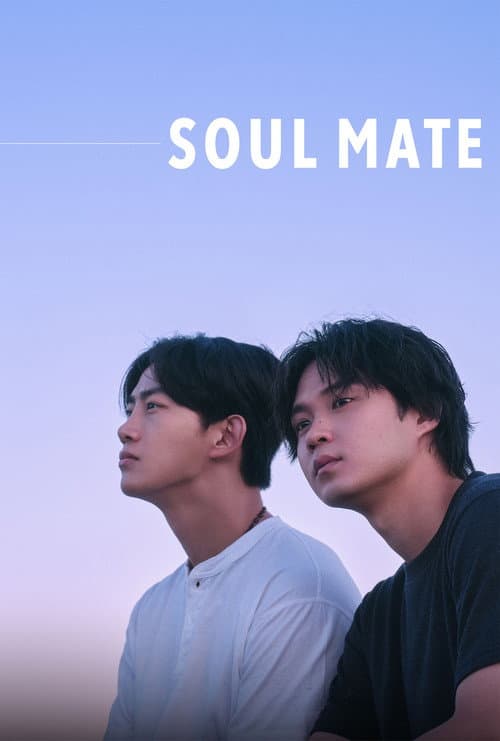
Soul Mate (ソウルメイト) is an upcoming Japanese-language television series releasing on May 14, 2026. The series follows Ryu Narutaki, who is rescued from despair by Korean boxer Johan Hwang, as the two men's lives become entangled.
Gallery (11)
Episodes
✓ Previously aired
Key features
- ·Japanese-language television series
- ·Premieres May 14, 2026
- ·Drama genre
- ·Original Japanese title: ソウルメイト
- ·Features Japanese and Korean characters
FAQ
When does Soul Mate release?
Soul Mate is scheduled to premiere on May 14, 2026.
What language is Soul Mate in?
Soul Mate is a Japanese-language series.
What is Soul Mate about?
The series follows Ryu Narutaki, who is saved from despair by Korean boxer Johan Hwang, as their wounded souls draw closer and their fates intertwine.
What is the original title of Soul Mate?
The original Japanese title is ソウルメイト (Soul Mate).
About this release
A new Japanese drama series titled Soul Mate — rendered in katakana as ソウルメイト — is scheduled to arrive on Netflix on May 14, 2026. Produced by Robot Communications and GTist in collaboration with Netflix, the eight-episode first season is an original Japanese-language production, positioning itself within the streaming platform's ongoing expansion of Japanese dramatic content for international audiences.
The premise is compact but carries considerable emotional freight. Ryu Narutaki, a young Japanese man caught in a moment of despair, is pulled back from the edge — figuratively or otherwise — by Johan Hwang, a Korean boxer. The two men, each carrying their own damage, find their lives becoming increasingly entangled. The description frames what follows not as a straightforward friendship or romance but as something more fated and, pointedly, more cruel: souls drawing close as circumstances conspire against them. That tension between intimacy and catastrophe is the engine the series appears to be built around.
The cross-cultural dimension is immediately apparent in the casting premise, even before a single episode airs. A Japanese protagonist and a Korean supporting lead — or perhaps co-lead, the billing isn't entirely clear from what's available — places the show in a tradition of Japanese and Korean creative exchange that has accelerated significantly over the past decade. Korean popular culture, particularly its dramatic and musical exports, has reshaped what Japanese audiences consume and what Japanese studios produce. A Korean boxer as the central redemptive figure in a Japanese series is a deliberate creative choice, and it raises questions about how that cultural specificity will be handled — whether Johan Hwang's Korean identity will be treated as texture woven into the narrative or remain largely incidental to the story's emotional mechanics.
The boxing backdrop is worth noting separately. The sport has a long and occasionally noble tradition in Japanese drama and film — boxing narratives carry an inherent vocabulary of discipline, punishment, and the performance of resilience for an audience — and it functions here as an obvious but not unearned metaphor. A boxer absorbs damage professionally. That Hwang is the one doing the saving, rather than the one being saved, inverts the more familiar arc. What that inversion means for where the series takes both men is among the more interesting structural questions left unanswered.
Robot Communications, one of the production companies attached to the project, has a presence in Japanese television production, and the involvement of GTist alongside Netflix suggests a production designed to travel — made in Japan, in Japanese, but with the infrastructure of a global streaming release built in from the start. Netflix's investment in Japanese content has produced series with widely varying tones and ambitions, from genre exercises to quieter character studies, and Soul Mate reads, at least from its description, as belonging to the latter category. Eight episodes is a restrained count, suggesting either a tight, self-contained story or a limited series format that doesn't overstay the central relationship.
What remains genuinely open at this stage is considerable. The phrase "fates cruelly intertwine" does real work in the marketing description, but it does so by gesturing at consequence without specifying it. The nature of the cruelty — whether it arrives as external circumstance, personal failing, or something structural to the world the characters inhabit — is entirely opaque. Similarly, the emotional register of the central bond is left deliberately ambiguous. "Wounded souls draw closer" is language that can accommodate friendship, romantic attachment, or a kind of spiritual kinship that resists easy categorization, and the series may be deliberately leaving that ambiguity intact as part of its appeal.
The involvement of Netflix also raises practical questions about release strategy that won't be resolved until the series actually arrives. Whether all eight episodes drop simultaneously or follow a weekly schedule has not been confirmed. That distinction matters more than it might initially appear: a weekly release would invite a different kind of audience engagement — episodic discussion, incremental investment in the characters — while a full-drop format positions the series as something to be consumed in concentrated sessions, which tends to suit narratives built around emotional accumulation rather than plot mechanics.
There is also, at this stage, no publicly available information about the cast or director attached to the production. The premise gestures at performances that will need to carry significant emotional weight — particularly the scenes in which two damaged strangers begin, cautiously, to matter to each other — and the identities of the actors and the sensibility of the director will determine whether the material lands as genuinely felt or collapses under its own earnestness.
The audience most likely to seek this out in May 2026 will include viewers already engaged with Japanese drama on Netflix, those with an appetite for relationship-driven narratives that prioritize interiority over incident, and anyone drawn to stories that treat male vulnerability and cross-cultural connection as legitimate dramatic subjects rather than incidental ones. If the series delivers on the tension implicit in its premise — closeness purchased at cost, fate as something that wounds rather than rewards — it has the structural conditions to be affecting. Whether it earns that is a question only the episodes themselves can answer.
Comments
Sign in to join the conversation.
Loading…