Details
- Language
- Chinese
- Country
- CN
- Studio
- Hunan Satellite TV Television Production Center
- Seasons
- 1 · 29 eps
- Theme
- redemptionworkplace
Popularity · Search interest now
Rising
28.9
Based on TMDb activity
Starring





Where to watch
Not currently available for streaming or purchase.
Links may earn Incoming a commission at no extra cost to you.
Incoming Editorial TeamVerified
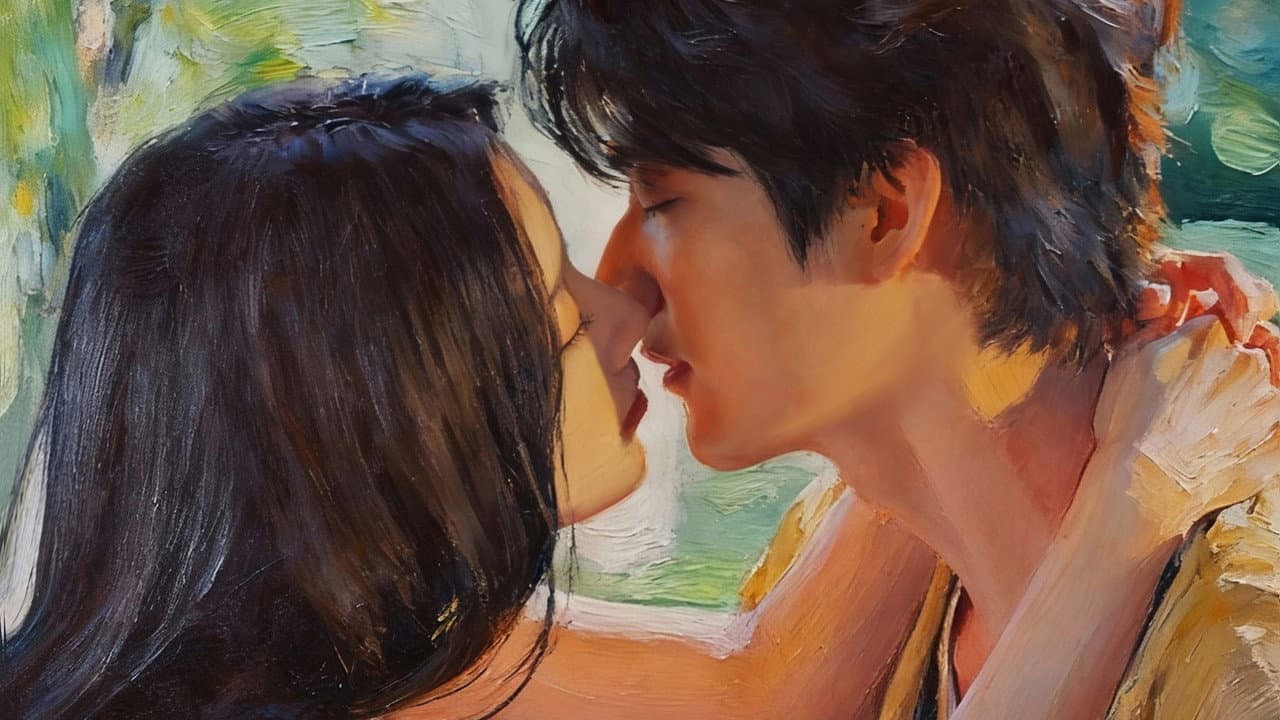
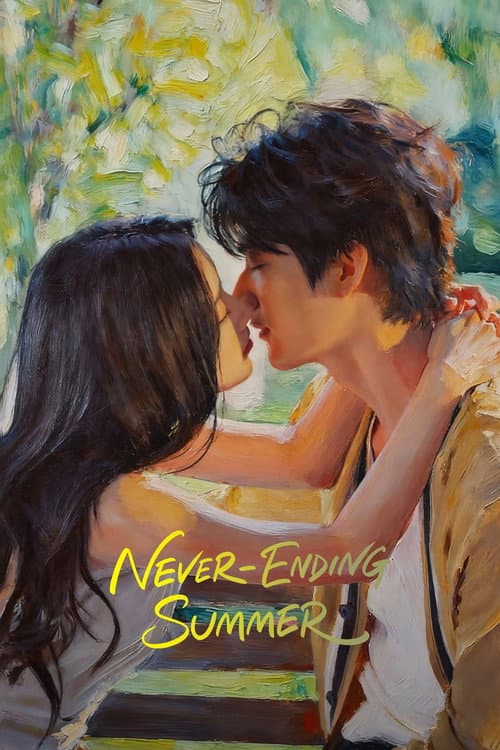
Never-Ending Summer (炽夏) is a Chinese-language romantic drama series in which a chance arrangement between two young people summer after graduation gives way to a decade-long separation and an eventual workplace reunion. It is scheduled to release on June 16, 2026.
Gallery (1)
Episodes
✓ Previously aired
Key features
- ·Chinese-language romantic drama series
- ·Dual timeline spanning graduation and ten years later
- ·Workplace reunion storyline
- ·Centers on family obligation and misunderstanding
- ·Original Chinese title: 炽夏
- ·Scheduled release June 16, 2026
FAQ
When does Never-Ending Summer release?
Never-Ending Summer is scheduled to release on June 16, 2026.
What is the original Chinese title of Never-Ending Summer?
The original Chinese title is 炽夏.
What is Never-Ending Summer about?
The series follows two people who fall in love the summer after graduation, are separated by misunderstandings, and reunite a decade later at work, where uncovering the truth behind a factory accident allows them to resolve their past and reconcile.
What language is Never-Ending Summer in?
The series is in Chinese (Mandarin).
About this release
Never-Ending Summer (炽夏), a 29-episode Chinese drama produced by Hunan Satellite TV Television Production Center and Mango Excellent Media, is scheduled to premiere on June 16, 2026. The show arrives under a title that leans into the seasonality its narrative is built around — a summer that characters apparently never fully leave behind, even across a decade of separation.
The story begins with a practical transaction that quickly becomes something more complicated. Zhou Wan, described as a top student, approaches Lu Xixiao — her mother's stepson, which is to say a figure from her family's margins rather than its center — seeking funds to cover her gravely ill grandmother's medical care. What might have remained a transactional arrangement between near-strangers turns into a romance during the summer after graduation, the kind of suspended, liminal period that recurs in Chinese youth dramas as a setting particularly well-suited to intensity and impermanence. That the show is titled after this season is not incidental: the "summer" of the title functions both literally and as the emotional fixed point to which both characters remain tethered long after circumstances force them apart.
The separation, when it comes, is attributed to misunderstandings rather than irreconcilable difference — a structural choice with a long tradition in the genre. The implication is that what tears Zhou Wan and Lu Xixiao apart is not who they are to each other but what they are led to believe about each other, which preserves the romance's fundamental premise across the decade-long gap and makes a reunion not just emotionally plausible but arguably inevitable. That gap of ten years is substantial. It means the show must do meaningful work in two registers — the warmth of a first relationship and the considerably more guarded dynamics of adults with histories, grievances, and professional lives in proximity. Whether the series treats those as genuinely distinct emotional territories or essentially collapses them is something the premise alone cannot answer.
The reunion happens at work, which places the second half of the narrative in a professional setting and introduces what appears to be a significant plot thread running alongside the personal one. Lu Xixiao is described as harboring resentment even while his affection persists — a combination that tends, in dramas of this structure, to produce friction before resolution. The two characters are also drawn into uncovering the truth behind what is described only as a "factory accident," and it is this element that distinguishes Never-Ending Summer somewhat from a straightforward romantic reunion drama. An industrial accident, treated as something whose truth has been buried and requires active uncovering, introduces the possibility of wrongdoing, concealment, and stakes that extend beyond the couple's private history. The connection between this investigation and the misunderstandings that originally separated Zhou Wan and Lu Xixiao is suggested rather than spelled out — it is entirely possible the two threads are intertwined, that the same forces or people responsible for the accident are connected to whatever drove the couple apart. That linkage, if it exists, would give the show's dual timeline and dual genre ambitions a structural coherence that the premise on its own only hints at.
Mango Excellent Media, the production arm associated with Hunan Satellite TV, has been a consistent presence in the Chinese streaming and broadcast drama landscape, particularly in romantic and youth-oriented series. A 29-episode count is a relatively contained run by the standards of Chinese long-form drama, which frequently extends into the fifties or sixties of episodes. That compression, relative to genre norms, suggests either a tighter narrative scope or a production that has prioritized pace over the kind of extended emotional elaboration that longer series can afford. It also means that the balance between the youthful summer flashback material and the present-day adult storyline — including the accident investigation — will need to be managed efficiently. Twenty-nine episodes still allows for considerable development, but the show cannot spend as long dwelling in either temporal register as a longer series might.
The subtitle 炽夏 is worth noting alongside the English title. 炽 carries connotations of intensity, heat, and something burning or blazing — not merely the warmth of summer but its more consuming quality. The English Never-Ending Summer emphasizes duration and the inability to move past something, while the Chinese leans into heat as a metaphor for feeling. Both are accurate to the premise in different ways, and the two titles together suggest a drama that is as interested in the quality of the original emotion as in the characters' difficulty escaping it.
Audiences who follow Chinese romantic dramas, particularly those organized around the increasingly common structure of youthful love interrupted and adult reunion, will recognize the shape of what Never-Ending Summer is offering. The show's distinguishing texture will depend heavily on how seriously it pursues the factory accident subplot and how much genuine weight it assigns to the decade that passes between the couple's first and second acts. Viewers drawn to dramas that fold investigative or social elements into personal narratives, rather than treating the romance as entirely self-contained, may find the premise more interesting than the genre framing alone implies.
Comments
Sign in to join the conversation.
Loading…