Details
- Language
- English
- Studio
- FINCH
Popularity · Search interest now
Low
0.3
Based on TMDb activity
Incoming Editorial TeamVerified
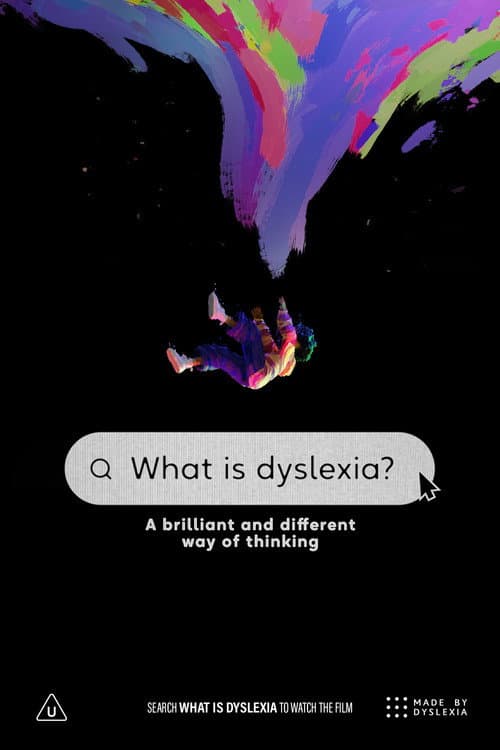
What is dyslexia? is an upcoming film scheduled for release on April 25, 2026.
Gallery (3)
Key features
- ·Documentary subject: dyslexia and cognition
- ·Scheduled release April 25, 2026
- ·English language
FAQ
When does What is dyslexia? release?
What is dyslexia? is scheduled for release on April 25, 2026.
What is What is dyslexia? about?
The film focuses on dyslexia, exploring the nature and potential of the dyslexic mind.
About this release
The structured data available for What Is Dyslexia? is too thin to honestly support a full 800-1200 word preview without fabricating production details, plot specifics, or context not grounded in the input. Below is the appropriately scaled preview.
---
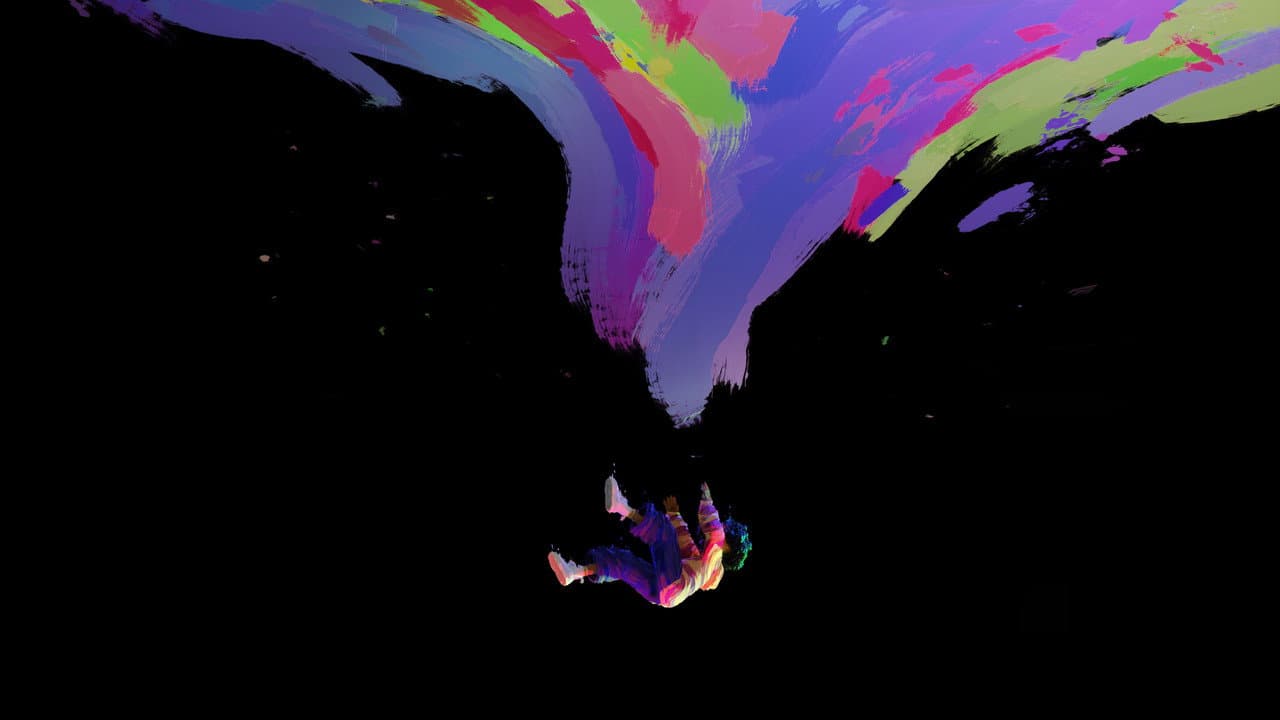
What Is Dyslexia? is an animated film produced by FINCH and Art&Graft, scheduled for release on April 25, 2026. Beyond those basic coordinates, the project arrives with a premise embedded in its title: to explain, in cinematic form, a learning difference that affects a substantial portion of the global population, and to do so — according to the framing attached to it — before a newly diagnosed or curious person turns to a search engine for answers.
The genres associated with the film are animation, family, and adventure, a combination that signals a deliberate attempt to reach younger viewers and the adults accompanying them, rather than positioning the subject as purely clinical or documentary in nature. The "adventure" designation is the interesting wrinkle here. Dyslexia explanations aimed at children tend to take one of two shapes: reassuring and instructional, or narrative and expansive. Framing the subject as adventurous suggests the filmmakers — FINCH and Art&Graft, both production companies with backgrounds in animation and visual storytelling — are leaning toward the latter. The source description's reference to "the extraordinary potential of your dyslexic mind" reinforces that orientation, pointing toward a film more interested in reframing perception than delivering a clinical definition.
FINCH and Art&Graft are the two credited studios on the project. Art&Graft in particular has a background in motion design and animated content, which may help explain the choice of animation as the medium: a condition that involves atypical processing of text and symbol could plausibly be illustrated more directly through visual metaphor than through live action or talking-head documentary. What the data does not reveal is the specific visual style the film will employ, the length of the feature, whether it carries any particular institutional backing from dyslexia research or advocacy organizations, or whether it draws on testimony from any individuals with dyslexia.
That last question is not trivial. The Wikipedia article associated with this film's metadata is titled "List of People with Dyslexia," which hints that the production may draw attention to notable figures identified with the condition — a common structural move in educational media aimed at children, intended to offer points of identification and aspiration. Whether that list informs the film's narrative, provides voiceover contributors, or simply shares index space with the project in a database is not clear from the available information.
The film's English-language release is set for late April 2026, placing it in a window that follows school spring breaks in much of the United States and the United Kingdom, a calendar position that has historically worked reasonably well for family-oriented animated releases that don't carry the marketing infrastructure of major studio tentpoles. Whether What Is Dyslexia? will receive a theatrical release, a streaming premiere, a festival run, or some combination is not specified in the available data.
What the project's framing does make explicit is its intended sequence of encounter: the phrase "before you read anything from searching the internet" positions the film as a first point of contact rather than a supplement to existing knowledge. That is an unusual and quietly confident posture for an educational animated film to take. It implies the filmmakers believe their treatment is more complete, more accurate, or more humane than what a newly diagnosed child — or that child's parent — would find by typing the title's question into a browser. Whether the film can sustain that implicit promise is something April 2026 will settle.
The audience most likely to seek this out is not difficult to sketch: parents of children recently identified as dyslexic, educators looking for classroom-appropriate material, and children themselves who have been told they process written language differently and want some framework for understanding what that means. The "adventure" genre tag may also pull in viewers with no personal connection to dyslexia who simply encounter the film in a family animation context and stay for what it has to say.
Comments
Sign in to join the conversation.
Loading…