
Details
- Language
- Portuguese
- Studio
- Céu Vermelho Fogo Filmes
- TMDb Rating
- 10.0 (1 votes)
Popularity · Search interest now
Low
1.5
Based on TMDb activity
Incoming Editorial TeamVerified
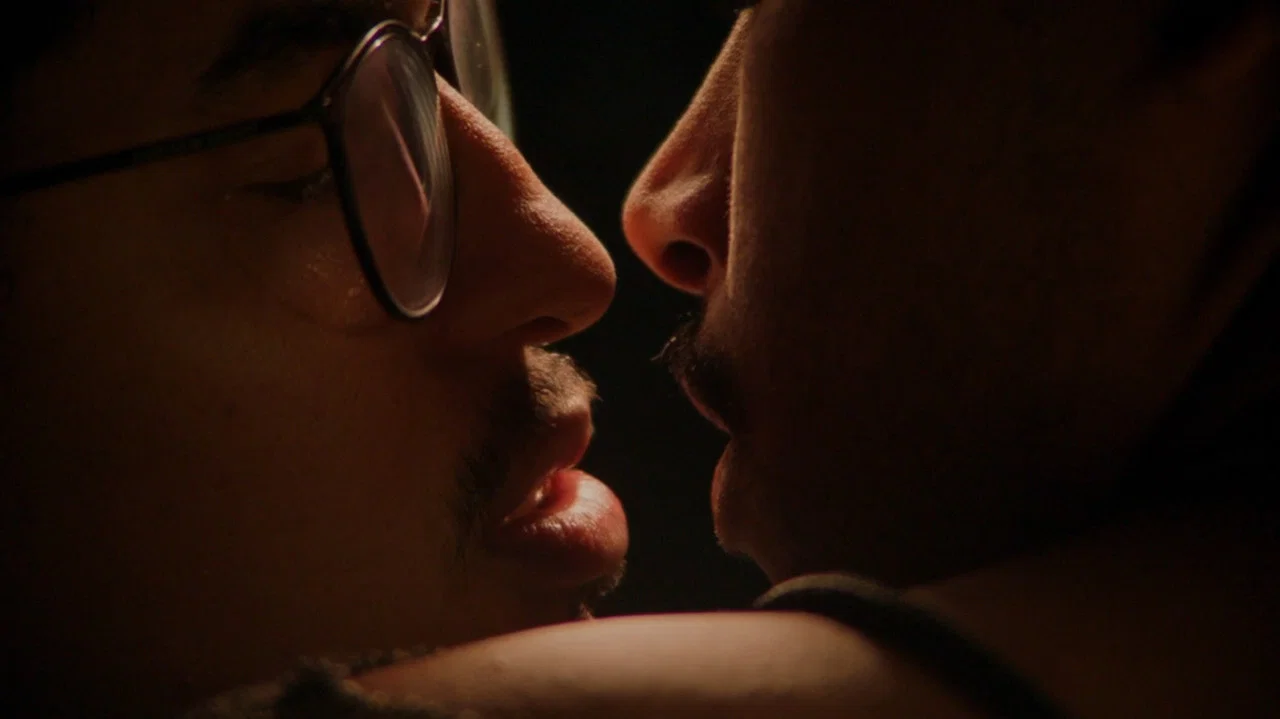
We Are Not Dreaming (Não Estamos Sonhando) is a Portuguese-language film following a Brazilian medical student navigating the collapse of the university system and an unexpected living arrangement with a reclusive DJ. It is scheduled for release on August 6, 2026.
Key features
- ·Portuguese-language Brazilian film
- ·Theatrical release August 6, 2026
- ·Drama exploring housing and institutional collapse
- ·Dual protagonist narrative structure
- ·Themes of intimacy and survival
FAQ
When and where does We Are Not Dreaming release?
We Are Not Dreaming is scheduled for release on August 6, 2026. No theatrical or streaming platform details have been confirmed at this time.
Where can I watch We Are Not Dreaming online?
No streaming platform has been announced for We Are Not Dreaming as of now. Distribution details, including any digital or streaming release, are not yet available.
Who stars in We Are Not Dreaming?
No cast information has been confirmed in the available data for We Are Not Dreaming.
What genre is We Are Not Dreaming?
The film is a drama. It deals with themes of institutional collapse, displacement, and intimacy, following a medical student and a reclusive DJ who become unexpectedly intertwined in Brazil.
Is We Are Not Dreaming in English?
No. We Are Not Dreaming is a Portuguese-language film, also known by its original title Não Estamos Sonhando, set in Brazil.
About this release
There is a small but telling discrepancy embedded in the release materials for We Are Not Dreaming — its Portuguese subtitle, Não Estamos Sonhando, reads as a firm, present-tense negation, while the Wikipedia entry associated with the film carries the alternate English rendering As We Were Dreaming, a phrase that tilts toward elegy and retrospect. That tension between the declarative and the wistful, between what is happening now and what might be remembered later, turns out to be a reasonable way to approach the film itself, which is scheduled for release on August 6, 2026, and arrives in Portuguese, almost certainly produced within Brazil given the specificity of its social setting.
The story centers on Ciro, a young man managing two demanding and somewhat incongruous identities simultaneously: he is a medical student, presumably deep in the exhausting middle years of a Brazilian medical program, and he is also a pole dance instructor, a role that situates his body as both instrument and livelihood in a way that medicine, with its emphasis on other people's bodies, does not. That dual existence is not merely biographical texture. It positions Ciro at the intersection of intellectual aspiration and physical labor, of a professional future that requires years of deferred gratification and a present-tense income that depends on how well he can train and perform. When Brazil's university system begins to collapse around him — the description is stark and does not elaborate on whether this is bureaucratic, economic, or political in origin, though the Brazilian context of recent years supplies no shortage of plausible pressures — the structure holding those two identities together gives way. He loses his home.
The second figure in the story is Antônio, described as a reclusive DJ, and the film's central relationship emerges from Ciro's displacement into Antônio's space. What the film appears to be tracking, at its core, is the way that extreme circumstances — homelessness, institutional failure, the stripping away of routine — can produce a kind of enforced intimacy that reshapes people. The description uses the words "survival and intimacy" as paired outcomes of this meeting, which suggests the film is interested in both the material and the emotional registers of what happens when two men with very different relationships to solitude are suddenly sharing a life. Antônio's reclusiveness is worth noting: whatever the DJ's reasons for withdrawal, Ciro's arrival is not something he sought. The dynamic is not one of rescue so much as mutual renegotiation.
The institutional backdrop — the collapse of the university system — is the kind of detail that locates a film within a specific historical and political anxiety rather than in the more familiar territory of individual romantic drama. Brazilian higher education has been a contested space, subject to funding cuts and political pressure in ways that have generated real precarity for students. Whether the film treats this collapse as foreground or as atmosphere, as the engine of the plot or as its wallpaper, is not clear from what has been released. What is clear is that the filmmakers chose to anchor a story about two people finding each other in something larger than personal misfortune — the failure is systemic, the displacement is not Ciro's fault, and that framing carries moral weight regardless of how explicitly the film engages with it.
The pole dance detail is not incidental, either. In Brazilian culture and in contemporary cinema more broadly, pole dance occupies complicated territory — it carries associations with nightlife and sexuality that the film may or may not be interested in interrogating, but it also, in the context of Ciro's character, functions as a marker of physical discipline and a source of income that academia does not provide. The fact that he is an instructor rather than a performer shifts the emphasis slightly: he is transmitting technique, managing a studio or a class, embedded in a community of practice. When that community is disrupted along with his housing, the loss is social as well as financial.
The original language is Portuguese, and the film's title exists in two English versions that don't quite agree with each other, which may simply reflect translation choices made at different stages of the film's festival or distribution life. August 2026 is the scheduled release date, and no platform or distributor is identified in the available materials, which leaves open the question of how widely the film will be seen outside Brazil. Films in Portuguese from South America that engage with questions of economic precarity and queer intimacy — which this appears to be, given the language around the two men's relationship — have found audiences through festival circuits and streaming platforms with international art-house commitments, but that pathway is not confirmed here.
What remains genuinely open is the film's formal disposition: whether it approaches its material with the naturalistic texture of social realism or with something more stylized, given that one of its central figures is a DJ and the other has a performance background. Music and movement are present in the story's DNA, and how those elements translate into the film's actual aesthetic is unknown. Similarly, the character of Antônio is described in ways that raise more questions than they answer — reclusiveness, in a narrative context, tends to have a history behind it, and what that history is, and how it intersects with Ciro's more outward-facing life, is the film's central unanswered question.
Audiences likely to seek out We Are Not Dreaming when it arrives in August 2026 will probably include those who follow contemporary Brazilian cinema, viewers interested in queer narratives grounded in social rather than purely personal drama, and anyone attentive to how Latin American filmmakers are currently engaging with the political and institutional crises of the last decade. The film's particularity — the precise overlap of medical school, pole dance, DJ culture, and systemic collapse — suggests a work that is not trying to be universal by being vague, but is instead betting that specificity will carry its own weight.
Comments
Sign in to join the conversation.
Loading…