Details
- Language
- English
- Studio
- Working Title Films
- TMDb Rating
- 7.6 (58 votes)
- Directed by
- Kyle Balda
- Written by
- Craig Mazin
- Theme
- underdog
Rating · Quality score from voters
TMDb
7.6/10
IMDb
7.4/10
Rotten Tomatoes
95%
Metacritic
72/100
Popularity · Search interest now
Popular
95.5
Based on TMDb activity
Starring








Where to watch
Links may earn Incoming a commission at no extra cost to you. Streaming data via JustWatch — may not reflect today's catalog.
Incoming Editorial TeamVerified
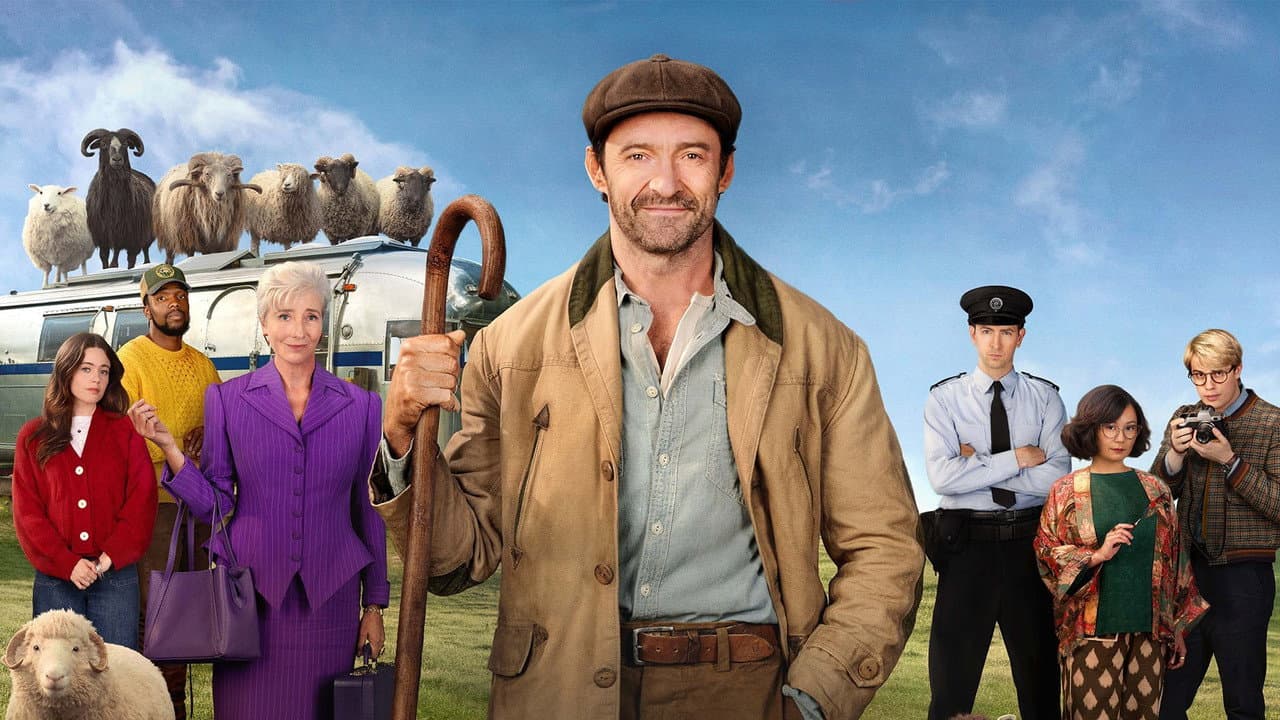
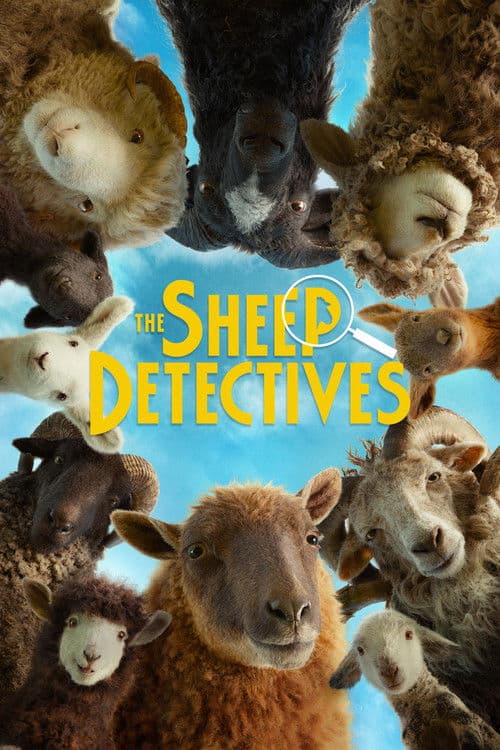
George Hardy is a shepherd who reads detective novels to his beloved sheep every night, assuming they can't possibly understand. But when a mysterious incident disrupts life on the farm, the sheep realize they must become the detectives. As they follow the clues and investigate human suspects, they prove that even sheep can be brilliant crime-solvers.
Trailer
Gallery (21)
About this release
There is something quietly irresistible about the premise at the center of The Sheep Detectives, a comedy-mystery-family film scheduled for release on April 30, 2026, produced by Working Title Films, Lord Miller, and Three Strange Angels. A shepherd named George Hardy reads detective novels aloud to his flock each night, operating under the comfortable assumption that nothing is being retained. He is wrong. When a mysterious incident upends life on the farm, the sheep — apparently attentive students of the genre — decide to put their accumulated knowledge to use and begin investigating the humans around them.
That setup belongs to a recognizable lineage of stories in which animals are revealed to possess interior lives their owners have systematically underestimated. It is a comic tradition that carries a mild satirical edge: the humans in such tales tend to look rather foolish once the perspective shifts, their private behaviors suddenly exposed to observers they never thought to account for. What distinguishes the premise of The Sheep Detectives from simpler versions of that formula is its specific genre overlay. These are not animals discovering language or learning to coexist with people — they are animals who have absorbed the conventions of detective fiction and are now applying those conventions to a real case. The comedy presumably lives in that gap: procedural seriousness filtered through woolly, four-legged investigators who have learned everything they know from bedtime reading.
Working Title Films brings a long production history in British comedy and family entertainment, while Lord Miller — the production company behind a range of genre-blended projects — has shown consistent interest in stories that work simultaneously on multiple registers, aiming at children and adults without fully belonging to either category. Three Strange Angels rounds out the producing partnership. That the three companies have come together on this particular project suggests a reasonable ambition for the film's reach: it is positioned as family entertainment with enough comic sophistication to hold the attention of adults who did not come primarily for talking sheep.
The film is in English, and the farm setting — with a shepherd protagonist whose nightly ritual is so personal it reads almost as eccentricity — has a distinctly rural, perhaps British, texture. George Hardy as a character is worth noting in his own right. A shepherd who reads crime fiction to livestock is already a figure of gentle absurdity, and the story hinges on the irony that his own habits have inadvertently produced the investigators who will now examine the humans in his world, possibly including Hardy himself. Whether he is a suspect, a victim, or simply an oblivious bystander to the sheep's investigation is one of the things the available information does not yet reveal.
The nature of the "mysterious incident" that sets the plot in motion is similarly unspecified, which is either careful marketing restraint or an indication that the film's central mystery is meant to arrive fresh for audiences. What the description establishes is the structure: something happens, the sheep recognize it as the kind of problem detective novels address, and they begin following clues. The human suspects — the phrase appears in the source material — implies that the sheep are looking outward, scrutinizing the people around them rather than one another. That dynamic, animals quietly surveilling and drawing conclusions about humans who have no idea they are under investigation, is where the film's comic potential is most concentrated.
A number of questions remain genuinely open. The manner in which the sheep communicate their deductions — to each other, and presumably eventually to an audience — is unaddressed. Talking-animal films occupy a wide spectrum from fully anthropomorphized characters with unambiguous speech to more stylized presentations in which animal cognition is conveyed through editing, reaction, or voiceover. Where The Sheep Detectives lands on that spectrum will shape the film considerably. So will the question of tone. The mystery-comedy-family combination can resolve itself in several different ways: broad physical comedy with a thin plot armature, a genuinely constructed whodunit that happens to feature animal protagonists, or something closer to a pastoral comedy of manners in which the mystery is less important than the observation of rural human behavior through ovine eyes.
The involvement of Lord Miller as a producer is perhaps the most suggestive contextual detail available. The company has navigated genre hybridity before, and their presence here hints that The Sheep Detectives may be aiming for something slightly more structurally ambitious than a straightforward children's comedy — though that remains inference rather than established fact.
For audiences with children old enough to follow a mystery plot but young enough to find sheep inherently delightful, the film's appeal is fairly self-evident. For adults, the draw is likely the particular pleasure of a well-executed comic inversion — the reader's assumptions turned against him by the very audience he least suspected. Whether the film earns that inversion across its full running time is the question that will only be answered on April 30, 2026.
Comments
Sign in to join the conversation.
Loading…