Details
- Language
- Italian
- Studio
- Nightswim
- TMDb Rating
- 6.9 (142 votes)
- Directed by
- Paolo Strippoli
- Written by
- Paolo Strippoli, Jacopo del Giudice, Milo Tissone
- For
- adult
Rating · Quality score from voters
TMDb
6.9/10
IMDb
6.5/10
Popularity · Search interest now
Rising
21.2
Based on TMDb activity
Starring






Where to watch
Not currently available for streaming or purchase.
Links may earn Incoming a commission at no extra cost to you.
Incoming Editorial TeamVerified
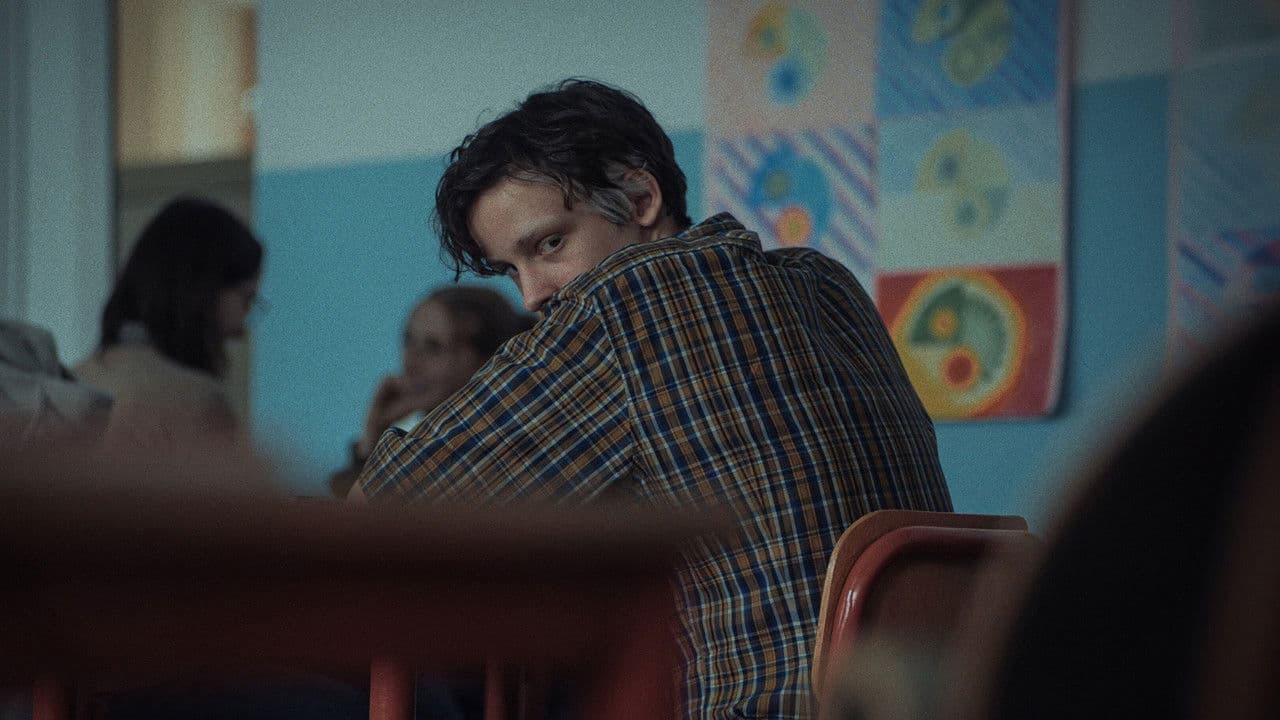
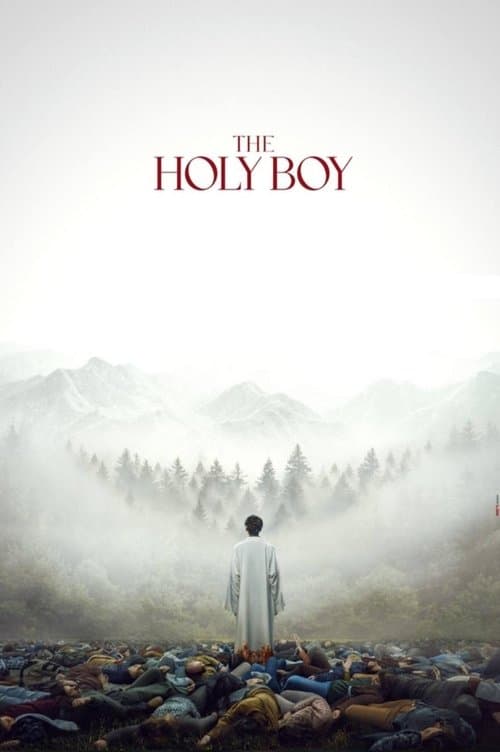
A PE teacher moves to a isolated mountain village where the people appear to live in unshakeable serenity, but soon stumbles across a disturbing ritual. Once a week, the locals are freed of their pain by a lonely boy born with the power to heal one's soul just by hugging them. Trying to rescue him from this madness, the man unleashes his dark side.
Trailer
Gallery (10)
About this release
A PE teacher arrives in a remote mountain village and finds its residents peculiarly, almost unsettlingly content. That is the opening premise of The Holy Boy — known in Italian as La valle dei sorrisi — a horror-thriller-drama releasing September 17, 2025, from studios Nightswim, Fandango, and Vision Distribution. The film is in Italian, suggesting an Italian or Italian co-production origin, and the involvement of Fandango and Vision Distribution, two companies with established roots in Italian cinema, reinforces that impression.
The logline does not waste time on ambiguity. The serenity blanketing the mountain village has a source: a boy, apparently isolated from normal community life, who possesses the ability to absorb and neutralize the emotional and spiritual pain of whoever embraces him. Once a week, the villagers come to him. They leave lighter. He remains. The arrangement, framed in the story's own language as a ritual, is the engine around which everything else turns.
What makes the setup structurally interesting is how it positions its protagonist. The PE teacher — an outsider by profession and temperament, a figure associated with bodily discipline and physical rationalism — enters a space governed by something he has no framework to process. His response, according to the synopsis, is not passive bewilderment. He attempts to intervene, to remove the boy from what he perceives as exploitation or abuse. The phrase the source material uses is pointed: he tries "to rescue him from this madness." The consequence is that his own dark side is unleashed. The film appears less interested in whether the boy's power is real than in what the teacher's certainty about rescuing him reveals about the teacher himself.
That inversion — the would-be rescuer becoming the more dangerous presence — places The Holy Boy in a recognizable tradition of folk horror and rural-dread filmmaking. The subgenre has a long history of staging confrontations between secular, urban or otherwise mobile protagonists and communities organized around belief systems those protagonists find irrational. The horror frequently turns out to reside not in the local practice but in the outsider's response to it, or in the violence that rationalist intervention produces. La valle dei sorrisi — literally "the valley of smiles" — signals that tension in its own title: the smiles are real, but reading them as pathological is what sets events in motion.
The boy himself is a figure with deep roots in religious iconography and in the horror-adjacent tradition of the stigmatized sacred. A child born with the power to absorb others' suffering is, depending on the interpretive frame, either a miraculous gift or a form of chronic exploitation — a living object of ritual use. The film does not appear to resolve that ambiguity in its premise, which is likely deliberate. Whether the community is protecting something precious or perpetuating something cruel, and whether the teacher's intervention is heroic or catastrophic, seem to be exactly the questions the narrative is built to hold in tension rather than answer quickly.
From a production standpoint, what's notable is the combination of studios involved. Nightswim has operated across genre territory. Fandango is one of Italy's more prominent production and distribution companies, with a track record that spans prestige drama and genre work. Vision Distribution handles Italian theatrical releases across a range of tones and scales. The collaboration suggests a film positioned for domestic Italian theatrical release with the genre credentials to travel internationally — horror and thriller, unlike much arthouse drama, cross language barriers with relative ease, and the folk-horror subgenre in particular has found consistent international audience interest over the past decade.
What the available information does not supply is equally worth noting. The director's name is absent from the structured data, which means the creative vision behind the film's visual and tonal choices cannot be assessed here. The casting is unknown, which matters in a story where the performances — particularly of the teacher and the boy — will determine whether the moral complexity lands or collapses into simplicity. The rating and the precise manner in which the horror is rendered — whether the film leans toward psychological dread, physical violence, or something more atmospheric — remain unaddressed by the synopsis. Given that the genre tags include horror, thriller, and drama in that order, the film likely operates across all three registers, but the proportions are unknown.
The Italian title's warmth — the valley of smiles — sitting against the English title's religiosity — The Holy Boy — already suggests a dual register that the film may be exploiting consciously. One title describes the effect; the other describes the cause. Together they imply that what looks like communal happiness and what constitutes a sacred or sacrificial arrangement are the same thing viewed from different angles.
Audiences drawn to folk horror with ethical weight rather than straightforward monster-and-chase mechanics will find the premise worth attention. So will viewers interested in Italian genre cinema, which has its own substantial tradition in horror and psychological thriller, and which this film appears to be working within while potentially updating the subgenre's central anxieties around belief, bodily autonomy, and the violence that well-intentioned outsiders can do.
Comments
Sign in to join the conversation.
Loading…