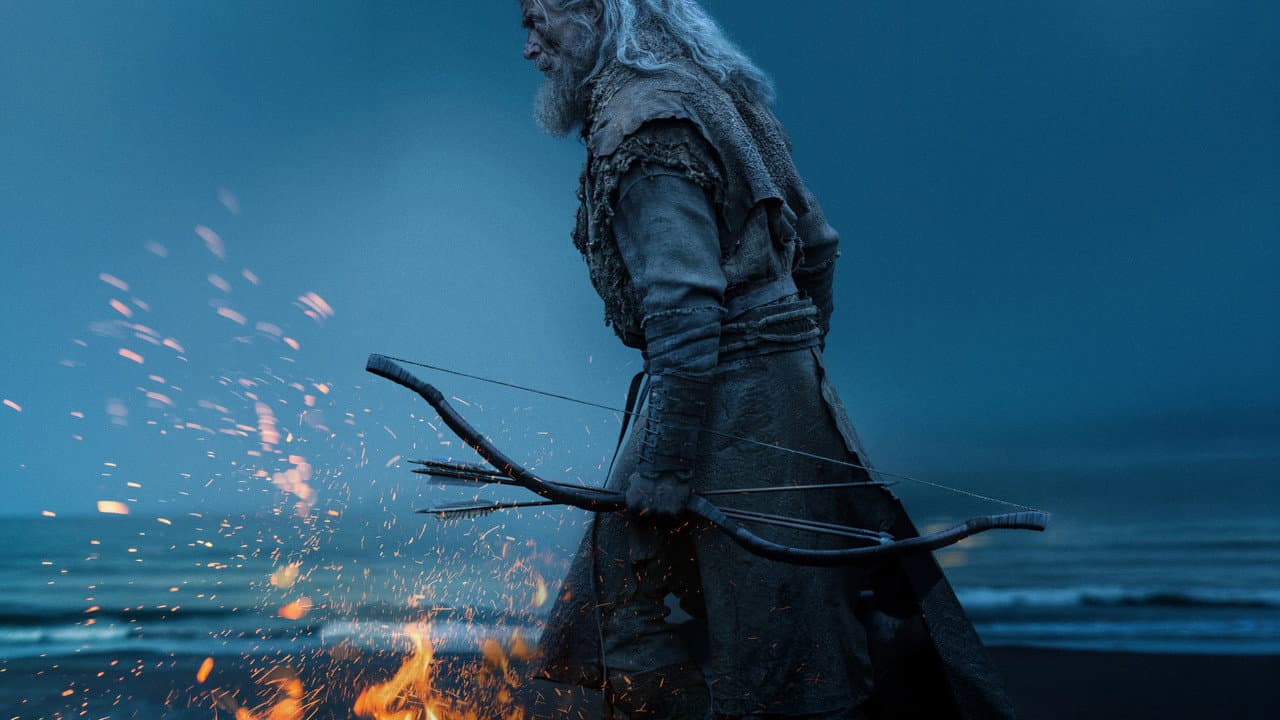

Details
- Language
- English
- Studio
- Lyrical Media
- TMDb Rating
- 6.8 (588 votes)
- Directed by
- Michael Sarnoski
- Written by
- Michael Sarnoski
- Theme
- redemptionsurvival
- For
- adult
Rating · Quality score from voters
TMDb
6.8/10
IMDb
6.0/10
Rotten Tomatoes
68%
Metacritic
60/100
Popularity · Search interest now
Rising
27.7
Based on TMDb activity
Hype score
leaderboard →89
/ 100↑ +27.5 in 24h
#25 globally#20 in movie
30-day trendWP 93
The Death of Robin Hood generates notable Wikipedia engagement for the legendary outlaw tale.
Starring




Where to watch
Links may earn Incoming a commission at no extra cost to you. Streaming data via JustWatch — may not reflect today's catalog.
Incoming Editorial TeamVerified
The Death of Robin Hood is an upcoming film releasing June 18, 2026. The story follows Robin Hood as he confronts his past after a life of crime and violence, left gravely injured following what he believed would be his final battle.
Trailer
Gallery (19)
Key features
- ·English-language feature film
- ·Robin Hood mythology
- ·Themes of mortality and redemption
- ·Release date: June 18, 2026
FAQ
When does The Death of Robin Hood release?
The Death of Robin Hood is scheduled to release on June 18, 2026.
What is The Death of Robin Hood about?
The film follows Robin Hood after a life of crime and violence, gravely injured from what he believed would be his last battle, as a mysterious woman offers him a chance at salvation.
Is The Death of Robin Hood based on a book or prior film?
The film draws from the Robin Hood mythology but no specific source material has been announced in the available data.
About this release
On June 18, 2026, Lyrical Media and Ryder Picture Company will release The Death of Robin Hood, an English-language film that takes one of the most recognizable figures in Western legend and positions him not at the height of his outlaw glory but at its apparent end. The premise is spare and deliberately unglamorous: Robin Hood, battered by a life of crime and killing, survives what he expects to be a final battle, only to find himself gravely wounded and in the care of a mysterious woman who offers him some form of salvation. That setup — the aging or broken hero, the stranger who may or may not be trustworthy, the reckoning with a violent past — belongs to a recognizable tradition in revisionist myth-making, though how faithfully or inventively this film inhabits that tradition remains to be seen.
The Robin Hood story has been told so many times across so many formats that any new version arrives burdened by comparison. The legend's canonical rough edges — the Sherwood Forest setting, the Sheriff of Nottingham, the band of Merry Men, the redistribution of wealth — have been played straight, satirized, psychologized, and reimagined for decades on film and television. What the structured premise of The Death of Robin Hood suggests is an interest less in the legend's familiar mechanics and more in its moral residue. The framing is explicitly retrospective and guilt-laden: Robin Hood here is a man grappling with what a life of violence has cost, not celebrating what it has accomplished. That shift in emphasis — from heroic outlaw to morally compromised survivor — gives the film a different center of gravity than most of its predecessors, placing it closer in spirit to revisionist Westerns that ask what becomes of men who have lived by force once their particular justifications have worn thin.
The genre metadata attached to the project is worth noting: adventure, drama, thriller, and action. That combination suggests the film is not purely an elegiac character study. The thriller and action designations imply some forward momentum, some present-tense danger or conflict, rather than a story told entirely in reflection or flashback. The "mysterious woman" who provides shelter and the possibility of salvation is the most intriguing element in what is publicly known, because her role is undefined in ways that matter. Is she a healer, a confessor, a threat, a supernatural figure drawn from the legend's older folk roots? The source description offers no answer, and that ambiguity is likely deliberate. It leaves the central dramatic question — whether Robin Hood will actually find salvation, and what form that might take — entirely open.
Lyrical Media and Ryder Picture Company are the production entities behind the film. Neither studio's involvement carries the weight of an established franchise machinery or a major distributor's infrastructure, which places The Death of Robin Hood in an interesting commercial position. Films produced outside the major studio system and built around a public-domain legend can operate with more tonal freedom, unconstrained by the need to protect an IP's future installments or satisfy a built-in corporate franchise expectation. Whether that freedom has been exercised toward genuine formal or narrative ambition is something the film itself will have to demonstrate.
There are practical questions the available information does not answer. The cast is unspecified in the structured data, which means one of the most fundamental factors shaping audience expectation — who is actually playing Robin Hood at the end of his life — is currently unknown from what has been provided here. A film built around a single character's psychological reckoning depends enormously on performance, and the specific actor in the role will determine a great deal about whether the film reads as genuinely searching or as a costume-drama exercise. The director is similarly unidentified in the available information, leaving the question of visual and tonal approach entirely open. Films in this mode — the wounded, morally exhausted protagonist, the intimate scale, the period setting implied by the legend — can go in very different directions depending on who is steering them.
The film's early TMDB data shows a vote average of 6.8 from 97 votes, which at this stage of release proximity is too small a sample and too early a signal to carry interpretive weight, but it does suggest some level of existing awareness and engagement with the project among the platform's audience base. A popularity score above 130 indicates it is not an entirely obscure entry — people are tracking it — but it falls well short of the visibility that surrounds major franchise releases.
The audience most likely to seek out The Death of Robin Hood on its June 18, 2026 release date is probably not the crowd drawn to swashbuckling adventure in the conventional sense. The premise speaks more directly to viewers interested in how familiar myths behave when stripped of their triumphalism — people who found themselves drawn to the quieter, morally complicated register of later-career hero narratives in other genres, and who are curious whether the Robin Hood legend can sustain that kind of scrutiny without its more colorful conventions collapsing under the weight.
Comments
Sign in to join the conversation.
Loading…