 📈 Trending
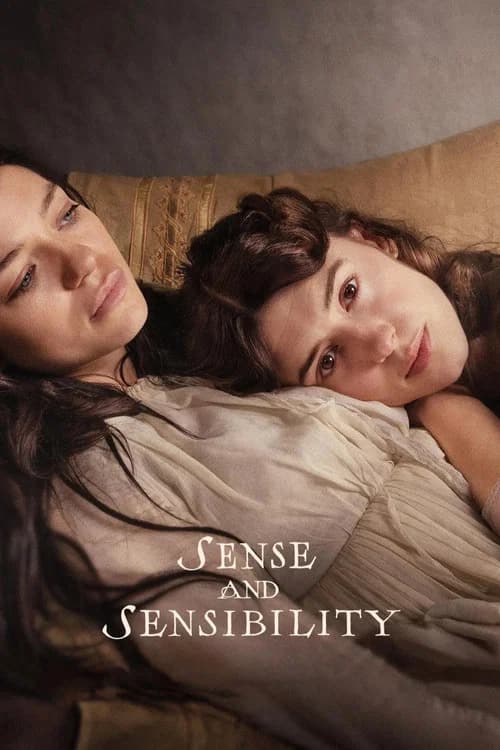
Sense and Sensibility
RomanceSep 23, 2026
Sense and Sensibility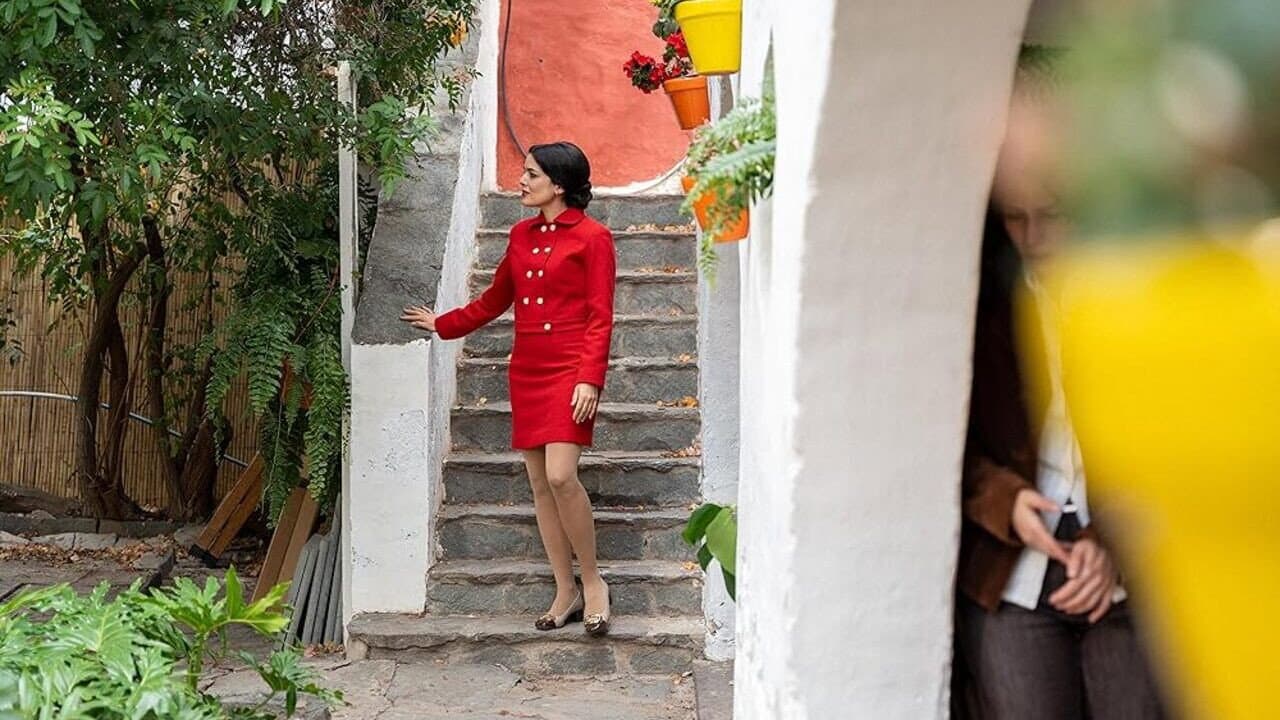
Details
Popularity · Search interest now
Based on TMDb activity
Not currently available for streaming or purchase.
Links may earn Incoming a commission at no extra cost to you.
Incoming Editorial TeamVerified
In 1960s Spain, legendary trapecist Pinito del Oro hires young poet Natalia Sosa Ayala to help with her memoirs, sparking a profound emotional bond between them. Through historical events, intimate encounters, and decades of letters, their admiration, affection, and creative passion intertwine. The story moves between memory, desire, and imagination, showing how these two artists influence each other’s quests for freedom, artistic expression, and recognition. Rooted in real moments but told with a dreamlike, imaginative lens, it explores what might have been between them, revealing a tender, evocative tale of connection, longing, and the courage to defy societal constraints.
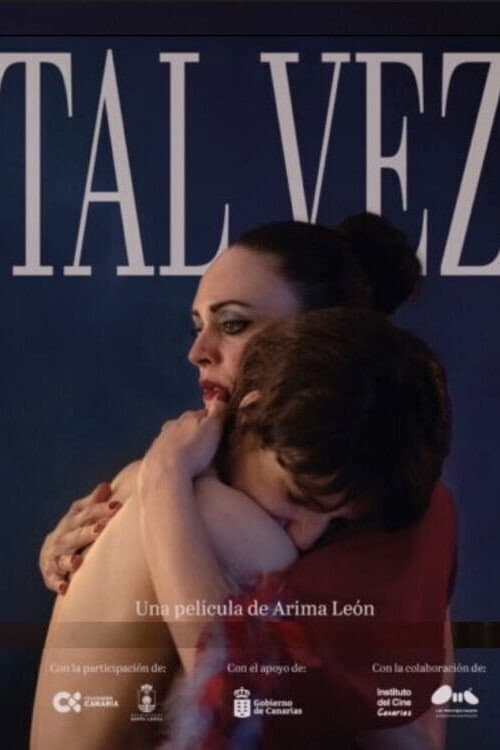
Tal vez, a Spanish-language drama-romance produced by Inefable Productions, is scheduled for release on April 24, 2026. Set primarily in 1960s Spain, the film centers on a relationship between two historical figures: Pinito del Oro, described as a legendary trapecist, and Natalia Sosa Ayala, a young poet whom del Oro hires to assist with her memoirs. What begins as a professional arrangement — one woman's life in another's hands, transcribed into sentences — evolves into something considerably more complicated, threading together admiration, desire, and the particular intimacy of collaborative creative work.
The pairing of subjects is itself an unusual one. Del Oro belongs to the world of physical spectacle, a performer whose art existed in the suspended moment between release and catch. Sosa Ayala's world is the opposite in texture — language, deliberation, the slow accretion of meaning on a page. The film appears to be interested precisely in that gap: what happens when two artists whose forms of expression are almost antithetical to each other find themselves in sustained, close company, one narrating a life and the other listening hard enough to write it down.
The film's framing is described as rooted in real moments but told through a dreamlike, imaginative lens. The title itself — Tal vez, which translates simply as "perhaps" or "maybe" — signals the register the production is working in. This is not a straightforward biographical account but something closer to a meditation on the conditional: what might have passed between these two women, what feelings may have gone unspoken, what the historical record either obscures or simply could not have captured. Decades of letters reportedly form part of the narrative architecture, suggesting the story doesn't confine itself to the 1960s but moves across time, returning to the relationship through correspondence that outlasts their physical proximity.
That temporal structure — moving between memory, desire, and imagination, as the source material puts it — places Tal vez in a tradition of films that treat historical intimacy as something to be inferred and felt rather than documented. The challenge such an approach sets for itself is maintaining the distinction between what is known and what is imagined without losing the emotional coherence that makes the imagined portions feel earned. Whether the film navigates that balance is a question the April 2026 release will answer.
Several things about the production remain opaque at this stage. No director, screenwriter, or cast has been announced in the available materials, which means the specific creative sensibility shaping this material — how literally or loosely the dreamlike framing is interpreted, whether del Oro and Sosa Ayala are played as fully realized characters or as something more symbolic — is unknown. Inefable Productions is the sole credited studio, and without further context about the company's previous work, it is difficult to situate this project within a broader filmmaking practice or to know what kind of visual language it might bring to a story that explicitly calls for a tension between the documentary and the imagined.
The Spanish setting in the 1960s carries its own weight that the film will presumably have to reckon with, even if only atmospherically. Franco's Spain was a society of enforced conformity, particularly where gender and sexuality were concerned, and the film's language of "defying societal constraints" and the "courage" required to do so implies that the emotional bond between del Oro and Sosa Ayala existed in an environment that would have regarded it with hostility at best. How explicitly the film engages with that political and social context — whether the repressive backdrop is foregrounded or held as a quiet pressure on every scene — is one of the more substantive open questions. A story about two women negotiating freedom and artistic recognition in mid-century Spain could take many shapes, from the rigorously historical to the entirely interior.
The phrase "artistic expression and recognition" appears alongside freedom in the source description, suggesting the film is also interested in the professional and creative stakes for both women — not merely the romantic or emotional. Del Oro's status as legendary implies she had achieved a degree of recognition in her field, while the memoir project suggests she was engaged in a reckoning with her own history, perhaps an attempt to secure her legacy in a form more permanent than performance. Sosa Ayala's role as a poet brought in to help is an interesting asymmetry: she lends her craft to del Oro's story, but the description implies that the exchange is transformative in both directions, each influencing the other's pursuit of their own work.
Audiences likely to seek out Tal vez will include viewers drawn to literary, historically inflected romantic dramas in the tradition of European art cinema, as well as those with a particular interest in stories centering women's creative lives and relationships. The film's Spanish-language origin and its biographical dimensions — however loosely interpreted — may also attract audiences familiar with Spanish cultural history or the circus arts as a distinct performance tradition. Whether the film finds wider theatrical distribution or plays primarily in specialized venues will depend on factors not yet in evidence, but its subject matter and tone suggest it is pitched at a patient, attentive audience willing to sit with ambiguity and the deliberate rhythm of a story told as much through feeling as through event.
📈 TrendingSense and Sensibility
RomanceSep 23, 2026
Sense and Sensibility
The Last Sunrise
RomanceAug 26, 2026
The Last Sunrise 🔥 Hot
Peddi
ActionJun 3, 2026
Peddi 🔥 Hot
Cocktail 2
RomanceJun 19, 2026
Cocktail 2 ⭐ Popular
Digger
ComedySep 28, 2026
Digger 📈 Trending
The Social Reckoning
DramaOct 7, 2026
The Social ReckoningReleasedSign in to join the conversation.