Details
- Language
- Chinese
- Studio
- Shanghai Media Group 上海文化广播影视集团 (SMG)
- Directed by
- Zheng Dasheng
- Written by
- He Zizhuang, Zhang Qi
- For
- adult
Popularity · Search interest now
Low
8.9
Based on TMDb activity
Starring








Incoming Editorial TeamVerified
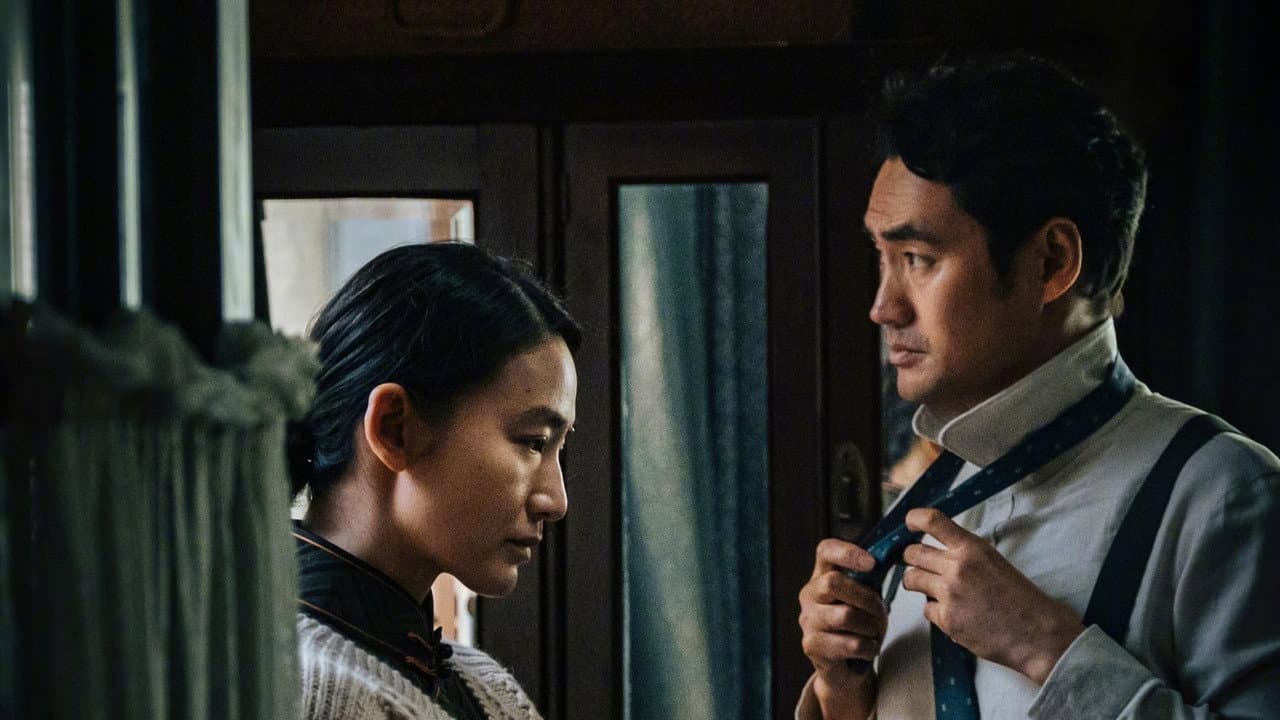
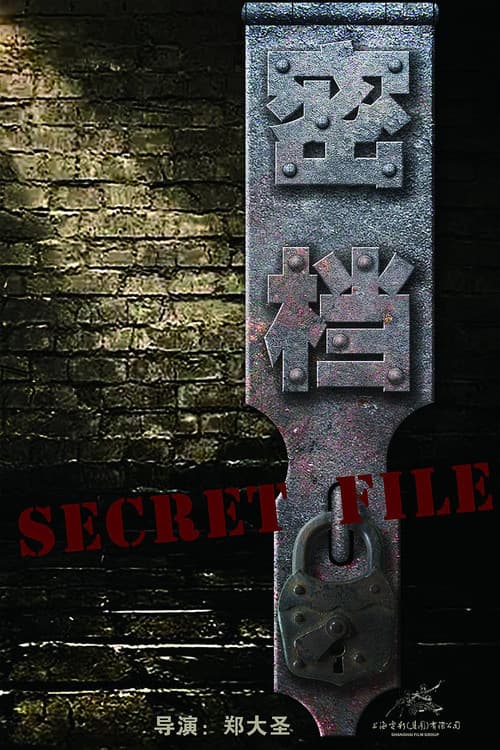
Secret File (密档) is a Chinese-language drama-mystery film produced by Shanghai Media Group (SMG), releasing on 28 August 2026. The film depicts the protection of the Central Archives—a secret collection documenting the Chinese Communist Party's earliest revolutionary activities—across the turbulent years of 1931 to 1949.
Gallery (1)
Key features
- ·Chinese-language drama and mystery film
- ·Set between 1931 and 1949
- ·Centres on protection of the Central Archives
- ·Produced by Shanghai Media Group (SMG)
- ·Theatrical release 28 August 2026
FAQ
When and where does Secret File release?
Secret File is scheduled for theatrical release on 28 August 2026. The film is a Chinese-language production, so its primary release is expected in China. No international distribution details have been announced.
Where can I watch Secret File online?
No streaming platform has been confirmed for Secret File at this time. The film is currently slated for theatrical release only, with no digital or on-demand availability announced.
Who produced Secret File?
Secret File is produced by Shanghai Media Group (SMG), known in Chinese as 上海文化广播影视集团. No director or individual production credits have been confirmed in available data.
What is Secret File about?
The film depicts the efforts of a group of guardians—both Communist Party members and non-members—to protect the Central Archives, a secret collection documenting the Chinese Communist Party's earliest revolutionary activities. The story spans the years 1931 to 1949, a period marked by significant political upheaval and armed conflict in China.
What genre is Secret File?
Secret File is categorised as a drama and mystery film. Its narrative, rooted in historical events surrounding the concealment of sensitive political documents, places it within the tradition of period historical dramas.
About this release
A Chinese-language drama-mystery film titled Secret File (密档), produced by Shanghai Media Group (SMG), is scheduled for release on Friday, August 28, 2026.
The film takes as its subject a specific and largely uncinematic object: a physical archive. The "Central Archives," as they are described in the production's materials, constitute the earliest documentary record of the Chinese Communist Party's revolutionary activity. The story spans roughly two decades, from 1931 to 1949 — years that encompassed the Long March, the Second Sino-Japanese War, and the final stages of the civil war between the CCP and the Nationalist government. Across that stretch of violent upheaval, the archive's guardians — identified in the film's premise as both Party members and ordinary citizens outside the Party — worked to keep those documents intact and hidden. The film's dramatic premise, then, is not a battle or a political negotiation but an act of preservation: protecting paper.
That framing places Secret File in a recognizable tradition of Chinese historical drama, a genre that has grown considerably more ambitious in production scale over the past decade, particularly around anniversaries of events central to the Party's founding narrative. SMG, the Shanghai-based state media conglomerate behind the production, has a long track record in prestige domestic film and television, and its involvement signals a production with institutional resources and, by extension, institutional expectations about the material it handles. The 1931–1949 timeframe is among the most frequently dramatized periods in Chinese cinema and television, though films centering on archival protection rather than military or political action represent a narrower and more unusual angle.
What's structurally interesting about the subject is the tension the genre classification implies. The film is listed under both drama and mystery — and the mystery designation is worth sitting with for a moment. Archival protection as plot engine means the film's suspense presumably derives from concealment: who knows where the documents are, who is searching for them, how close the wrong parties come to finding them. That is a different kind of wartime story than the battlefield spectacle that dominates the genre's most commercially prominent entries. The premise notes that the guardians include non-Party members, which raises questions about motivation, loyalty, and the social texture of who exactly was recruited to protect materials that held explicit ideological value for one side of a civil conflict.
The film's description refers to "turmoil and bloodshed" in terms that emphasize the cost borne by individuals rather than the outcome for institutions — "resilience and sacrifices" is the framing — which suggests the human drama of the guardian figures is meant to carry the film's emotional weight rather than the archival contents themselves. What those characters looked like, how many there were, whether any are based on documented historical individuals, and who has been cast to play them is not available in the materials provided. Similarly, the director, screenplay credits, and any details about the film's visual approach remain unannounced or undisclosed.
That absence is notable given the release date is set for late August 2026. August occupies a meaningful position in the Chinese theatrical calendar, typically following the high-traffic summer holiday window without carrying the prestige-season weight of the National Day period in early October. Whether Secret File is positioned as a summer-closing mainstream release or a more modestly scaled prestige production aimed at a specific audience isn't yet clear. The current popularity metric in the film's metadata is early and carries no vote data, which simply confirms the film has not yet been seen publicly in any meaningful way.
For viewers with a specific interest in how Chinese cinema handles the material history of the Party's founding decades, the archival premise offers something relatively uncommon. Most dramatizations of this era focus on known figures, decisive battles, or political turning points. A film organized around the fate of documents — paper, physical objects that encode institutional memory — requires a different set of dramatic choices. The mystery classification suggests the filmmakers are leaning into the procedural and suspense dimensions of that premise rather than treating it purely as reverential historical pageant. Whether that generic commitment is sustained throughout, or whether the mystery elements give way to more conventional commemorative register, is precisely the kind of question that will only be answerable once the film is released.
The audience most likely to seek out Secret File when it opens in late August 2026 includes viewers already engaged with Chinese historical drama of this period, particularly those drawn to institutional and espionage-adjacent narratives rather than large-scale military epics. Given SMG's production profile and the film's Mandarin-language release, its primary theatrical market will be mainland China, though the subject matter and genre combination may generate interest in broader Chinese-speaking audiences with an appetite for this particular strand of mid-twentieth-century history.
Comments
Sign in to join the conversation.
Loading…