Details
- Language
- English
Popularity · Search interest now
Low
0.0
Based on TMDb activity
Incoming Editorial TeamVerified
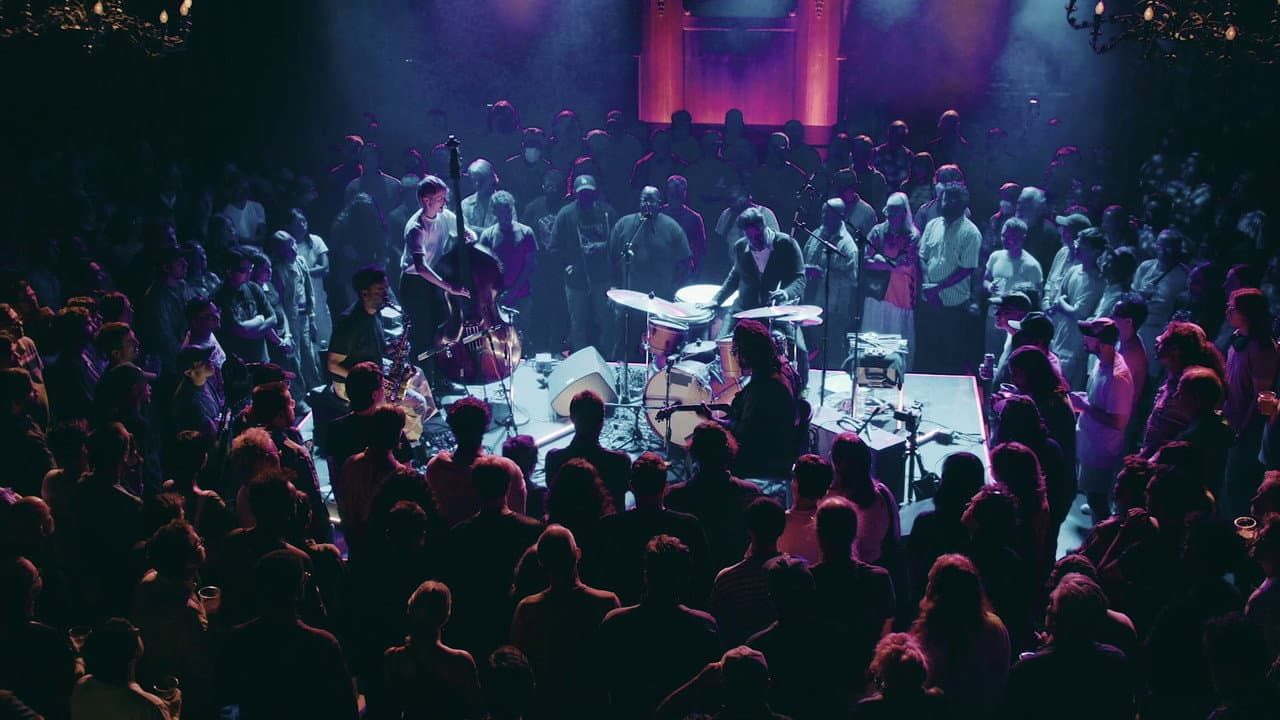
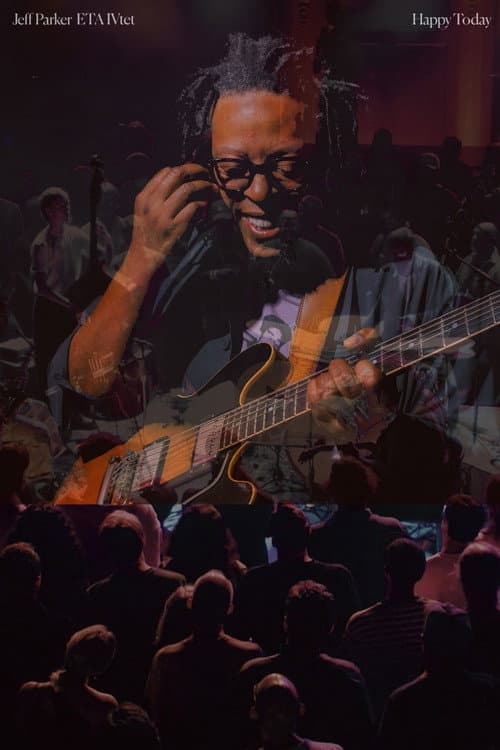
Happy Today is a concert film directed by Charlie Weinmann, documenting Jeff Parker's ETA IVtet performance at Lodge Room in August 2025. The film captures the live session that became Parker's album of the same name. It is scheduled for release on April 26, 2026.
Gallery (2)
Key features
- ·Concert film format
- ·Directed by Charlie Weinmann
- ·Features Jeff Parker's ETA IVtet
- ·Recorded at Lodge Room, August 2025
- ·Companion piece to Parker's Happy Today album
- ·English language
FAQ
When does Happy Today release?
Happy Today is scheduled for release on April 26, 2026.
Who directed Happy Today?
The film was directed by Charlie Weinmann.
What is Happy Today about?
It is a concert film documenting Jeff Parker's ETA IVtet performing at Lodge Room in August 2025, the session that became Parker's album Happy Today.
Who is the ETA IVtet?
The ETA IVtet is an ensemble led by musician Jeff Parker, known for infrequent performances and recordings.
About this release
A concert film directed by Charlie Weinmann, Happy Today is scheduled for release on April 26, 2026. It documents a single performance by Jeff Parker's ETA IVtet, recorded at the Lodge Room in August 2025, and runs as an album-length film tied directly to Parker's album of the same name, which emerged from that same evening.
Jeff Parker is a guitarist whose career has moved between the worlds of jazz, experimental composition, and electronic music with unusual ease. He was a long-standing member of the Chicago post-rock band Tortoise, and his solo work has drawn on loop-based construction, hip-hop textures, and acoustic improvisation in ways that resist easy categorization. The ETA IVtet is his quartet, a working band whose name gestures — however obliquely — toward the tradition of working small groups in jazz, the kind of unit that develops a sound over time through live performance rather than studio assembly. The group is described here as "elusive," which tracks with Parker's general posture toward the music industry: he releases records on his own terms, performs selectively, and rarely courts the kind of visibility that would make a document like this feel routine.
The Lodge Room, located in Los Angeles, is a mid-sized venue with a reputation for presenting music that sits at the intersection of adventurous and accessible — the kind of room where a jazz-adjacent guitarist can draw a serious crowd without playing a concert hall. The choice of venue is itself part of the context. This was not a stadium event or a festival set; it was a contained, deliberate performance, and the fact that it yielded both a full album and a concert film suggests it was conceived as a document from the start.
Weinmann's approach is described as "noirish," which is the one aesthetic descriptor available here and therefore worth examining. Noir as a visual register implies contrast, shadow, a kind of atmospheric withholding — it's a style that tends to suit music that is itself elliptical or introspective. Whether that framing serves Parker's music or shapes how it's received is one of the film's open questions. Concert films occupy a peculiar position: they are neither the record nor the live experience, but something in between, and the director's visual choices inevitably mediate the performance. Weinmann's sensibility, whatever its specific execution, will be as much a subject of the film as Parker's playing.
What the available information leaves unresolved is considerable. The composition of the ETA IVtet — who the other three members are, what instruments they play, how the group's dynamic functions within Parker's broader practice — is not specified. This matters because a quartet is a relational form; the interplay between players is the substance of the music, and a concert film that captures it well should make that visible. Whether Happy Today the film follows the album's track sequence, whether it includes any framing material outside the performance itself, whether there is spoken word or interview content — none of this is known. The running time is unspecified beyond the "album-length" description, which suggests it is likely somewhere in the range of forty to sixty minutes, though that is inference from the source material rather than confirmed fact.
There is also the question of how the film relates to the album as a listening experience. The record Happy Today presumably exists independently — listeners can encounter Parker's music without the visual component. The film, then, is an argument for why the visual dimension adds something. Concert films make that argument with varying degrees of success. Some function as fan documents, confirmations of an experience for those who were present or who follow the artist closely. Others function as introductions, giving unfamiliar audiences an entry point into a body of work. Weinmann's "noirish" framing suggests an ambition beyond pure documentation, but the extent to which the film operates as a standalone cinematic work, rather than an appendage to the album, will determine its reach.
The release date of April 26, 2026 places the film roughly eight months after the performance itself, a timeline that suggests careful post-production rather than a quick turnaround document. Whether it is receiving a theatrical release, a streaming release, or some combination is not specified in the available information, and the platform question is not trivial — concert films that play in theaters, even briefly, occupy a different cultural position than those that appear quietly on a streaming service.
Parker's audience tends to skew toward listeners who follow jazz and experimental music with some attentiveness — people who know the names of working guitarists, who track what happens in the space between genres, who are interested in how improvisation and composition interact within a live setting. That audience is not large by mainstream metrics, which the popularity figure in the metadata confirms, but it is loyal and attentive. For those listeners, a filmed record of a specific ETA IVtet performance, rendered with intentional aesthetic care by a director with a distinct visual sensibility, is likely to feel like a genuine document of something that happened and mattered.
Comments
Sign in to join the conversation.
Loading…