


Dhurandhar
movie · prequel of
Dhurandhar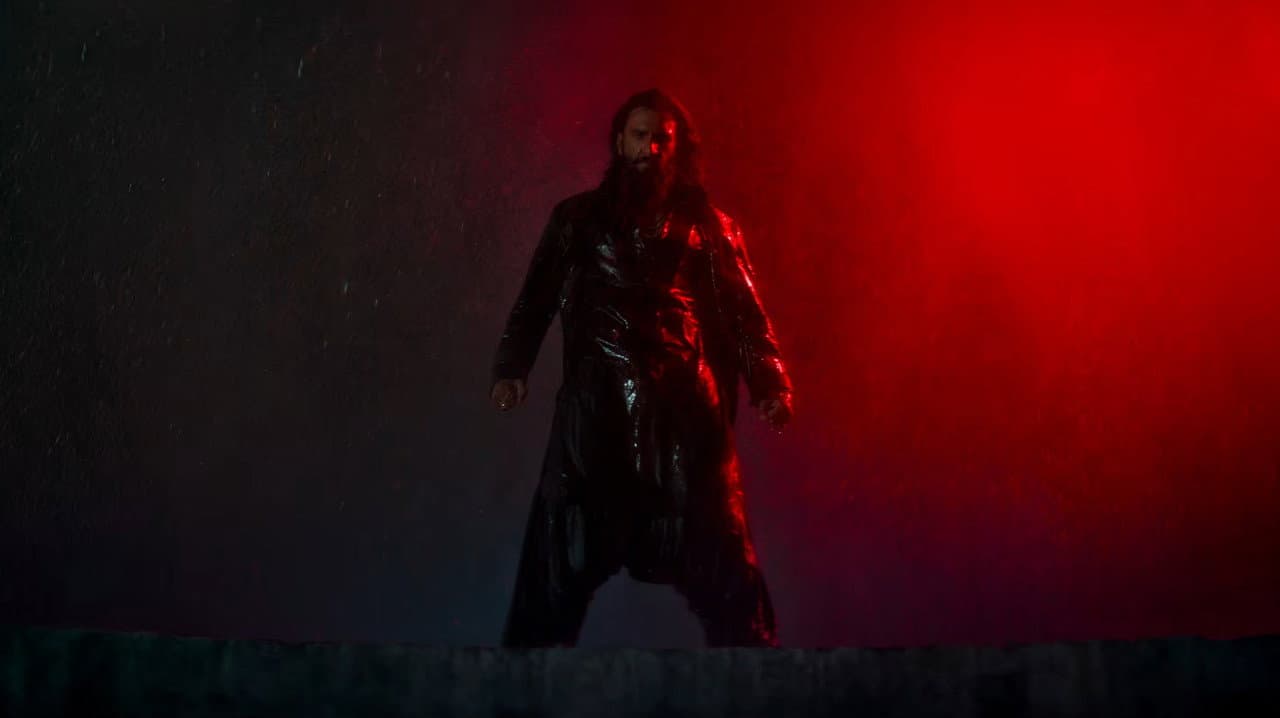
Details
Rating · Quality score from voters
Popularity · Search interest now
Based on TMDb activity
Incoming Editorial TeamVerified
As rival gangs, corrupt officials and a ruthless Major Iqbal close in, Hamza's mission for his country spirals into a bloody personal war where the line between patriot and monster disappears in the streets of Lyari.
Jio Studios and B62 Studios are releasing Dhurandhar: The Revenge — known in Hindi as धुरंधर: द रिवेंज — on March 18, 2026, with the film set to stream on Netflix and Netflix Standard with Ads following its theatrical window. The title is a sequel, part of what the studios have catalogued as the Dhurandhar Collection, placing it within an ongoing franchise built around a world of gang violence, institutional corruption, and covert national duty.
The original Dhurandhar established the franchise's central figure: Hamza, an operative whose mission in service of his country takes him into the labyrinthine criminal geography of Lyari, the densely populated Karachi neighborhood that has historically served as a backdrop for stories of gang warfare, political patronage, and marginalized communities caught between competing powers. That setting carries its own weight. Lyari has long occupied a charged place in Pakistani public consciousness — simultaneously a site of cultural pride and a shorthand, in both news coverage and fiction, for organized crime and state neglect. A Hindi-language action film using it as its primary arena is a pointed choice, one that gestures toward a grittier, more geographically specific kind of crime thriller than the genre typically delivers.
The sequel's described premise deepens the contradictions already present in that premise. Hamza now faces rival gangs, corrupt officials, and a new antagonist identified as Major Iqbal — a military figure, which introduces a different kind of institutional threat than civilian corruption alone. The description provided suggests the film is less interested in a clean hero-versus-villain architecture than in what happens to a person deployed as an instrument of state violence when the mission metastasizes. The phrase the marketing materials use — "the line between patriot and monster disappears" — frames this as a film about moral erosion rather than moral triumph, which is a structurally different proposition from the conventional action sequel that simply raises the stakes while keeping the protagonist's virtue intact.
That framing is worth noting precisely because it is unusual for the genre. Hindi-language action cinema has a long tradition of the morally compromised protagonist, but sequels in particular tend to rehabilitate or simplify their heroes in order to give audiences a familiar emotional handrail. If Dhurandhar: The Revenge genuinely sustains the ambiguity its description implies — if Hamza's slide toward something monstrous is treated with the same seriousness as his patriotic purpose — then it is positioning itself closer to the crime-drama end of the action-thriller spectrum than to the more triumphalist strand of the genre.
What remains genuinely open heading into the release is considerable. The film's director is not named in available materials, nor are the key cast members — which is unusual for a sequel with a defined franchise identity and a lead character significant enough to anchor two films. Whether the cast carries over entirely, partially, or in restructured form from the first film is unknown. Similarly, the production background — how long this sequel was in development, whether it was conceived alongside the original or emerged afterward — has not been made public in the available information. For a film with a release date in March 2026 and a streaming destination already confirmed, that opacity is notable.
The Netflix placement is itself contextually interesting. The streamer has made significant investments in South Asian content over the past several years, and Hindi-language action films have found particular traction on the platform globally, reaching audiences well beyond the traditional theatrical footprint for Indian cinema. A sequel arriving on Netflix — rather than requiring a theatrical commitment before migrating to the platform — suggests a distribution strategy aimed at building franchise viewership broadly rather than relying on a concentrated opening-weekend theatrical performance. Whether the film also receives a meaningful theatrical release, and in which markets, is not specified in what's been made available.
The early audience data that exists skews positive in a way worth registering without over-reading. The film carries an IMDb rating of 8.5 across more than 45,000 votes — a figure that could reflect genuine enthusiasm from audiences who encountered the film through advance screenings or early access, or could reflect the kind of organized early voting that sometimes inflates ratings for anticipated franchise entries before they reach general audiences. The TMDB average, drawn from a smaller sample, sits at 7.3, which is a more modest but still favorable figure. Neither number should be treated as a settled critical verdict, but together they suggest the film has generated real engagement from at least a portion of its target audience ahead of the wide release.
The audience most likely to seek this out in its first weeks includes viewers already invested in the franchise, who will arrive with established relationships to Hamza and the world the first film built. Beyond that core, the film is positioned to attract the broader audience for Hindi-language crime thrillers — a genre that has expanded its reach considerably through streaming — as well as viewers drawn specifically to crime narratives set in real, recognizable urban environments rather than generalized or fictional ones. The Lyari setting, and what the film chooses to do with it, may prove to be the element that generates the most sustained conversation beyond the franchise's existing base.
Dhurandhar
movie · prequel of
DhurandharSign in to join the conversation.