Details
- Language
- Japanese
- Studio
- TMS Entertainment
- Series
- Detective Conan
- TMDb Rating
- 7.5 (19 votes)
- Directed by
- Takahiro Hasui
- Written by
- Takahiro Okura
- Mood
- fast paced
- Theme
- true crimeworkplace
- For
- kid friendly
Rating · Quality score from voters
TMDb
7.5/10
IMDb
6.2/10
Popularity · Search interest now
Rising
17.8
Based on TMDb activity
Starring


Where to watch
Not currently available for streaming or purchase.
Links may earn Incoming a commission at no extra cost to you.
Incoming Editorial TeamVerified
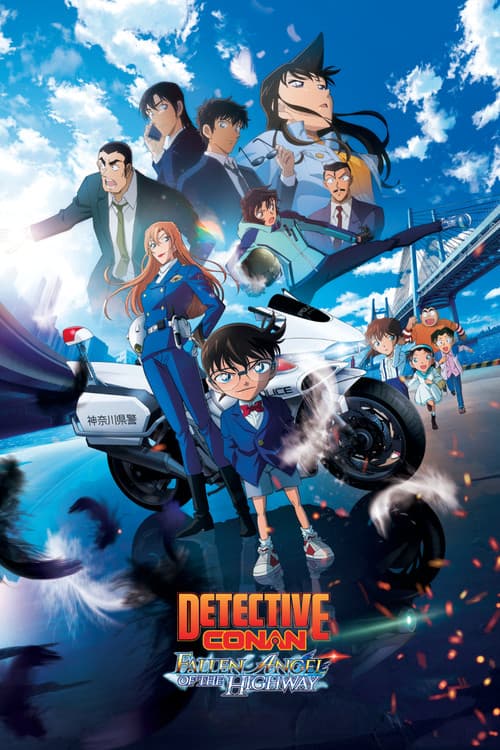
When a string of deadly highway incidents begin, Conan Edogawa's investigations point towards an orchestrated plot rather than mere accidents. As he uncovers a conspiracy involving hidden identities and advanced technology, the case escalates into a high-speed race against time to stop a calculating mastermind before more lives are lost.
Trailer
Gallery (7)
About this release
Detective Conan: Fallen Angel of the Highway — known in Japanese as 名探偵コナン ハイウェイの堕天使 — is scheduled for release on April 10, 2026, produced by TMS Entertainment in collaboration with TOHO and Nippon Television Network Corporation. The film is an entry in the long-running Detective Conan theatrical franchise, a series that has been releasing annual feature films since the late 1990s and has become one of the more reliable fixtures on the Japanese animation calendar.
The Detective Conan franchise, for readers unfamiliar with it, centers on Shinichi Kudo, a teenage detective who is transformed into a child's body by a mysterious organization and adopts the alias Conan Edogawa while continuing to solve crimes. The theatrical films operate somewhat independently of the ongoing television series — they tend to deliver self-contained, high-concept cases with elevated production values and a more cinematic scale than the weekly episodes. Over nearly three decades, the franchise has produced films involving everything from opera houses to submarines, and each entry typically builds its central mystery around a specific setting or thematic arena. The highway infrastructure, with its speed, anonymity, and engineered isolation, provides a plausible and relatively unexplored backdrop for this particular installment.
What the synopsis describes is structurally familiar to longtime viewers: a series of incidents that appear accidental are gradually revealed to be coordinated, and Conan's investigation draws him into a confrontation with a methodical antagonist. The specific framing here — highway incidents, hidden identities, and what the summary describes as "advanced technology" — suggests the film may lean into the techno-thriller register that the series has occasionally visited, where the mystery is as much about systems and infrastructure as it is about human motive. That combination, a child detective navigating a high-speed world engineered by adult malice, has been central to the franchise's appeal since its inception.
TMS Entertainment has been the primary animation studio behind the Detective Conan property throughout its run, and TOHO's involvement in distribution situates the film within the same theatrical pipeline that has handled previous entries. Nippon Television's co-production role is likewise consistent with the franchise's longstanding broadcast relationships in Japan. Nothing in the confirmed production credits signals a significant departure from the established model.
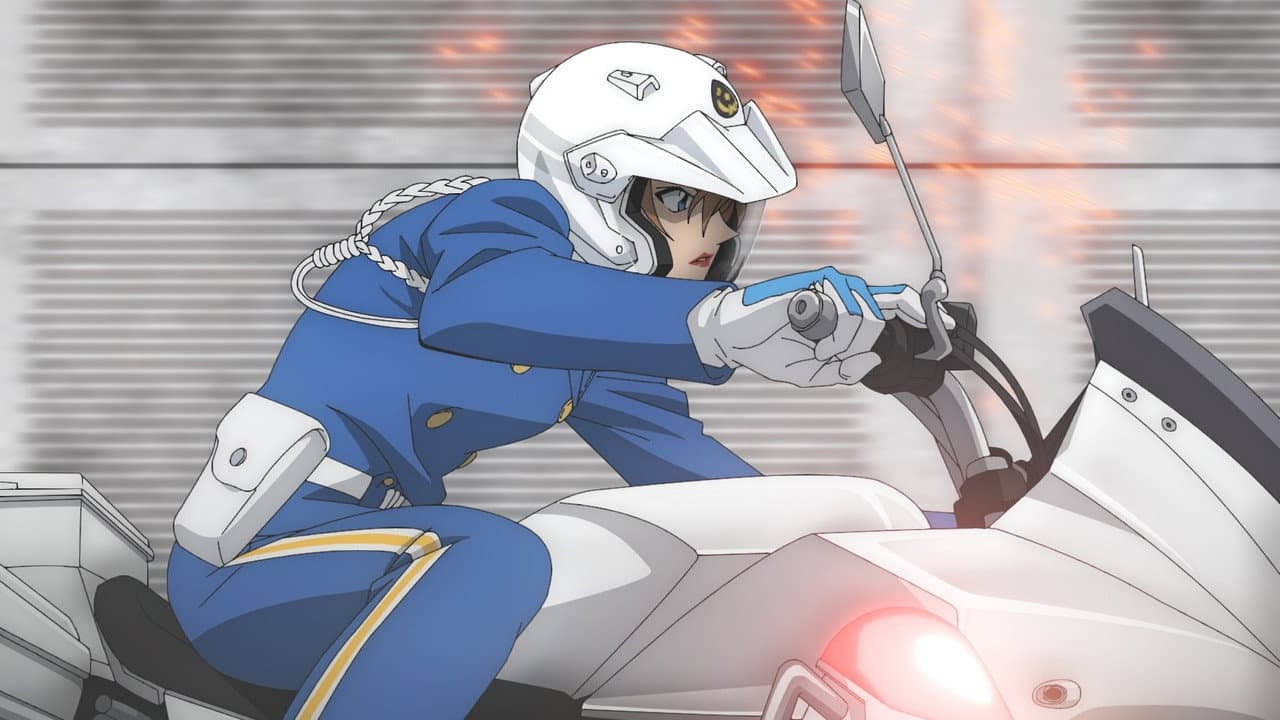
What remains genuinely opaque at this stage is the question of tone and visual ambition. The highway setting implies sustained action sequences — car chases, freeway geography, perhaps large-scale set pieces — and it will be worth watching whether the film prioritizes kinetic spectacle or the slower, more methodical unraveling of a puzzle. Some recent entries in the franchise have tilted heavily toward action blockbuster territory, with the detective work occasionally subordinated to elaborate physical confrontations. Others have maintained a tighter focus on the mystery architecture itself. The phrase "high-speed race against time" in the synopsis gestures toward the former, though synopses for these films tend to foreground momentum and danger regardless of the final tonal balance.
The mention of "hidden identities" is interesting in the context of this franchise specifically, since questions of disguise, false identity, and concealed motivation are essentially the series' structural DNA. Whether "hidden identities" here refers to something specific to this film's antagonist — a character who has constructed an elaborate false persona — or whether it signals a connection to the broader mythology of the organization that originally transformed Shinichi Kudo is not yet clear. The franchise has, in recent years, been more willing to weave its theatrical entries into the larger ongoing narrative, occasionally advancing plot threads that have been developing across the television series. Whether Fallen Angel of the Highway is a standalone case or a film with implications for the franchise's larger arc is one of the more consequential unknowns going in.
The technology angle is similarly underspecified. "Advanced technology" as a plot element can encompass a very wide range in the context of this franchise — from hacking and surveillance to weaponized vehicles or communications interference. The highway setting does seem to invite a particular kind of technological antagonism: systems designed for safety and flow repurposed by someone who understands them well enough to subvert them. If the film follows through on that logic, it could produce the kind of procedural satisfaction the franchise does well, where the solution emerges from Conan's ability to understand a system better than the person who designed the crime around it.
The film arrives with early vote data that is not yet statistically meaningful — thirteen votes on one tracking platform, 176 on another — so there is no reliable audience or critical signal to read from at this point.
The audience most likely to seek this out on its April 2026 release date is, predictably, the franchise's established international fanbase, which has grown considerably in the streaming era and tends to treat each theatrical film as an annual event. Beyond that core, the highway-and-technology premise may attract viewers who respond to action-oriented animation thrillers with a mystery backbone, particularly those who found entry points through recent franchise entries that emphasized large-scale set pieces. Japanese theatrical animation has been drawing broader international attention in recent years, and a franchise film from a studio with TMS Entertainment's track record, distributed through TOHO, carries institutional credibility in that market. Whether this particular entry converts casual interest into genuine engagement will depend on how well it balances the spectacle its setting promises against the deductive rigor the Detective Conan name implies.
Comments
Sign in to join the conversation.
Loading…