 ⭐ Popular
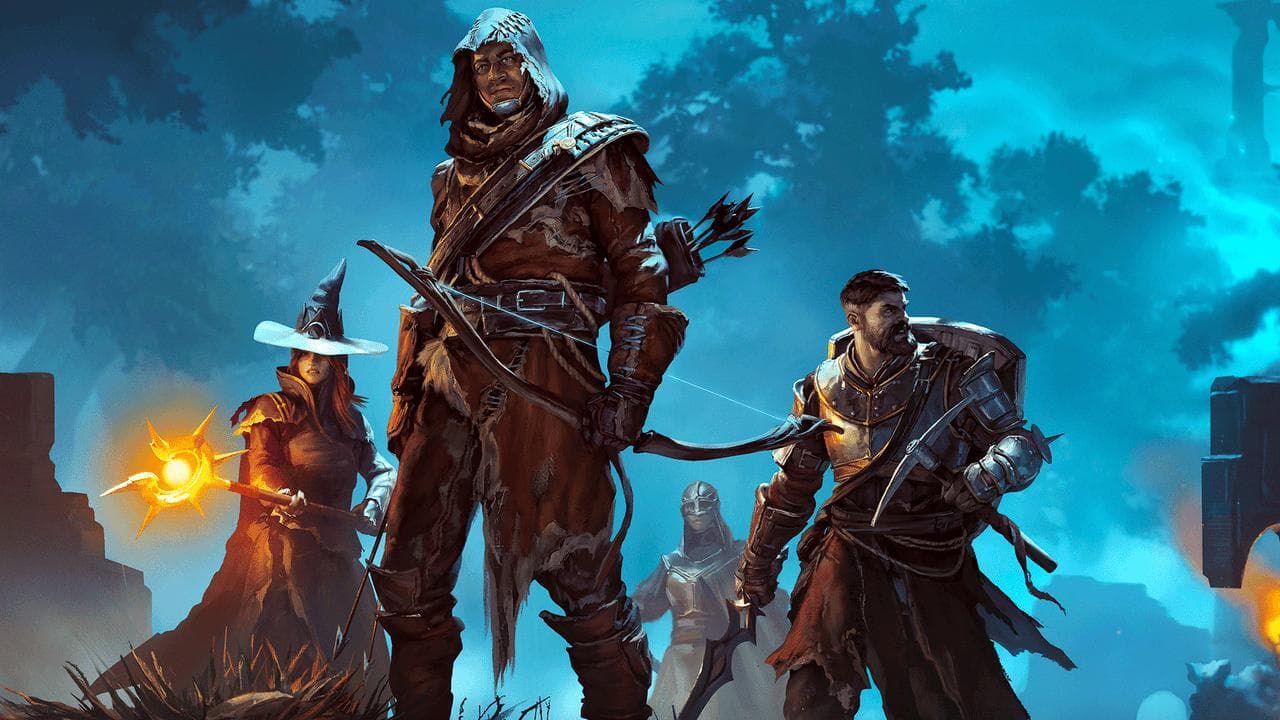
Enshrouded
AdventureOct 15, 2026
EnshroudedReleased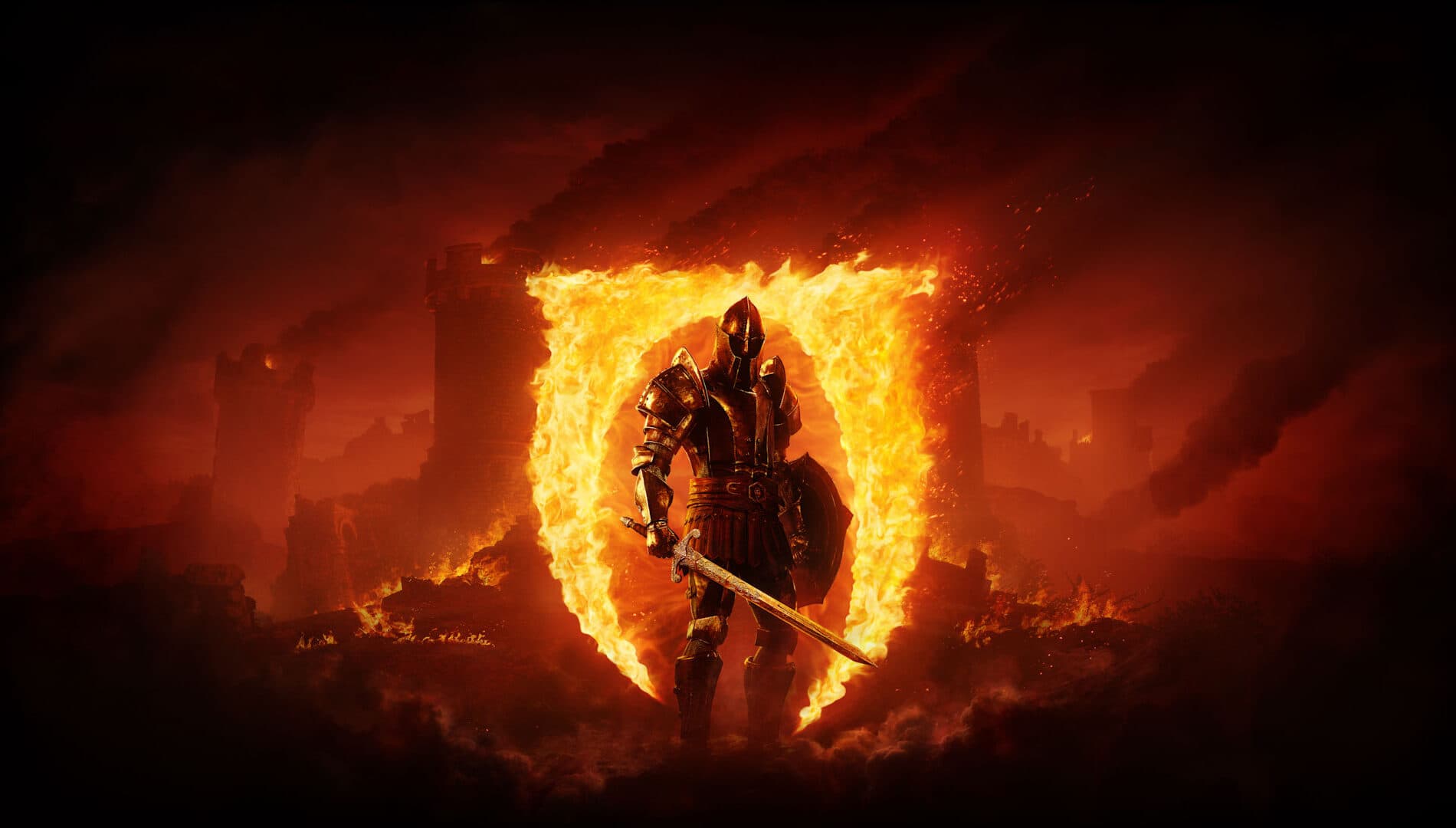 Warm
Details
Rating · Quality score from voters
Popularity · Search interest now
Based on TMDb activity
Links may earn Incoming a commission at no extra cost to you.
Incoming Editorial TeamVerified
The Elder Scrolls IV: Oblivion Remastered is a remastered edition of Bethesda's 2006 open-world RPG, released on April 22, 2025, for PC, PlayStation 5, and Xbox Series X.
The Elder Scrolls IV: Oblivion Remastered was released on April 22, 2025. It is available on PC, PlayStation 5, and Xbox Series X.
The game is available on PC, PlayStation 5, and Xbox Series X. It is not listed for last-generation consoles such as PlayStation 4 or Xbox One.
The Elder Scrolls IV: Oblivion Remastered was developed by Bethesda, the studio behind the original 2006 release and the broader Elder Scrolls and Fallout franchises.
The game falls under action, adventure, and role-playing genres. Like the original, it is an open-world RPG in which players explore a large fantasy setting and engage in both combat and quest-driven progression.
Yes, it is the fourth mainline entry in The Elder Scrolls series by Bethesda. Other entries in the series include Morrowind, Skyrim, and the online title The Elder Scrolls Online.
The Elder Scrolls IV: Oblivion Remastered is scheduled for release on April 22, 2025, across PC, PlayStation 5, and Xbox Series X. The project is a remaster of Bethesda Game Studios' 2006 open-world role-playing game, returning one of the most widely discussed entries in the Elder Scrolls franchise to current hardware after nearly two decades.
Oblivion occupied a particular position in the history of the genre. Released in the middle period between Morrowind and Skyrim, it represented the franchise's push toward a more accessible, visually ambitious style of open-world design at a moment when that ambition was constrained by what the hardware of its era could actually deliver. The game's province of Cyrodiil, its class-based character system, its voiced dialogue, and its Oblivion Gate crisis — a central narrative conflict involving dimensional incursions — became reference points that players and critics cited for years afterward, sometimes admiringly and sometimes critically. It attracted devoted players and equally devoted detractors, which is a kind of cultural staying power that most games never achieve. That combination of nostalgia and unresolved argument about the original's merits is precisely what makes a remaster of this particular title interesting to observe.
What distinguishes a remaster from a remake is a question that the industry has never settled cleanly, and Oblivion Remastered will be evaluated in part through that lens. The platforms — PC, PlayStation 5, and Xbox Series X — are all current-generation, which establishes a baseline expectation about visual fidelity. Current-generation hardware is capable of rendering Cyrodiil at resolutions and frame rates that would have been unimaginable at the time of the original release, and the assumption among prospective players is that the remaster will take some advantage of that headroom. Whether the underlying systems — the leveling mechanics, the NPC schedules, the dungeon design — have been revised, preserved intact, or adjusted in smaller ways remains one of the substantive open questions ahead of the release date.
The original game's leveling system was, for many players, its most controversial feature. Character progression in the 2006 version was tied to a structure that many found counterintuitive: the world scaled in difficulty alongside the player, but the scaling rewarded specific patterns of skill improvement that were not obvious and punished players who distributed their development across too many areas. Whether that system survives in recognizable form, has been quietly rebalanced, or has been more substantially redesigned is exactly the kind of detail that will determine how returning players experience the remaster versus how new players encounter it. Neither group is coming in with identical expectations.
The user rating of 3.89 — drawn from pre-release data — reflects engagement with the title ahead of its availability, and its significance is difficult to assess in isolation without a Metacritic score, which is not yet available. Pre-release ratings on catalogue titles can reflect the weight of nostalgia as much as any informed assessment of what the remaster specifically offers. That number tells you something about the appetite for the release without telling you much about how the release will be received once players have spent time in Cyrodiil on current hardware.
The absence of a Metacritic score is simply a function of timing — it will populate after release. What that means for now is that the critical conversation about what the remaster does well or poorly, and how it situates itself relative to the original, has not yet formally opened. That conversation will be shaped heavily by the choices made around asset quality, performance targets, and the fidelity of the underlying game design to its 2006 source.
There are also questions the existing metadata leaves entirely unanswered. The remaster's relationship to the original's substantial modding community on PC is one of them. Oblivion accumulated one of the more robust mod libraries in the franchise's history, and the question of whether those mods remain compatible with whatever the remaster has changed under the hood is meaningful to a specific and dedicated segment of the audience. Similarly, whether any of the original game's downloadable content — most notoriously the horse armor, which became a durable cultural shorthand for the beginning of a particular era in game monetization — is bundled into the remaster or handled separately is not addressed in the available data.
The action and adventure genre classifications alongside role-playing-game reflect the original's design accurately. Oblivion was never a purely systems-driven RPG in the sense that some of its genre contemporaries were. It leaned on real-time combat, traversal across a large physical world, and player-driven exploration as much as on character-sheet progression. That remains the framework within which the remaster will operate, and players coming to it expecting either a straight action game or a heavily numbers-oriented RPG will likely find it occupying the same middle space the original did.
The audience most likely to seek this out falls into three categories that partially overlap. There are players who were old enough to experience the original in 2006 and have some degree of attachment to it, now curious whether the remaster addresses the original's rough edges or simply polishes the surface. There are players who came to the franchise through Skyrim and have heard about Oblivion as a predecessor without having played it, for whom this release functions as the most practical point of entry into that earlier chapter. And there are players with a general interest in current-generation open-world RPGs who have no particular history with the franchise and are simply evaluating it as a current release. Each group is arriving with a different set of questions, and whether a single release can satisfy all three is the central uncertainty the April 22 date will begin to answer.
⭐ PopularEnshrouded
AdventureOct 15, 2026
EnshroudedReleased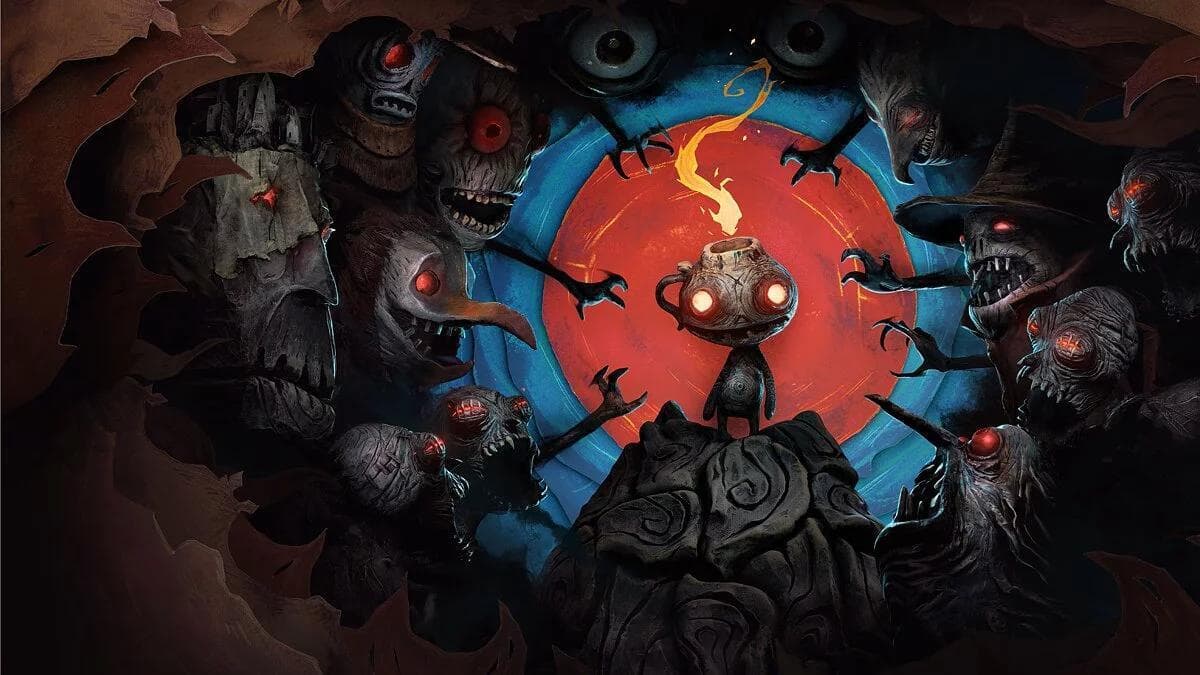 ⭐ Popular
The Midnight Walk
IndieMay 7, 2025
The Midnight Walk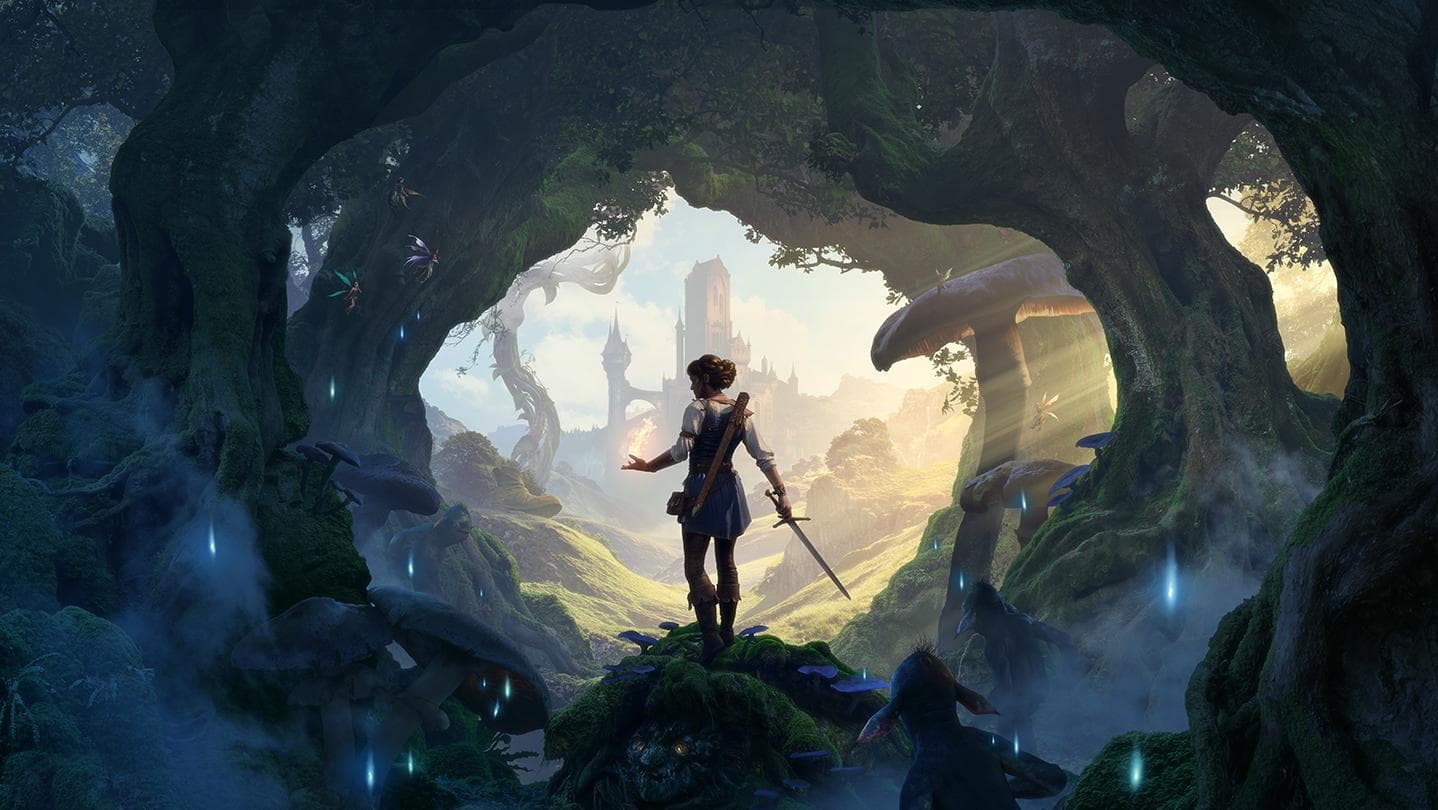 ⭐ Popular
Fable
ActionFeb 23, 2027
FableFeb 2027
Post Trauma
IndieApr 22, 2025
Post Trauma 🔥 Hot
Control Resonant
AdventureSep 24, 2026
Control Resonant ⬆️ Rising
Amerzone - The Explorer's Legacy
AdventureApr 24, 2025
Amerzone - The Explorer's LegacySign in to join the conversation.