 Cool
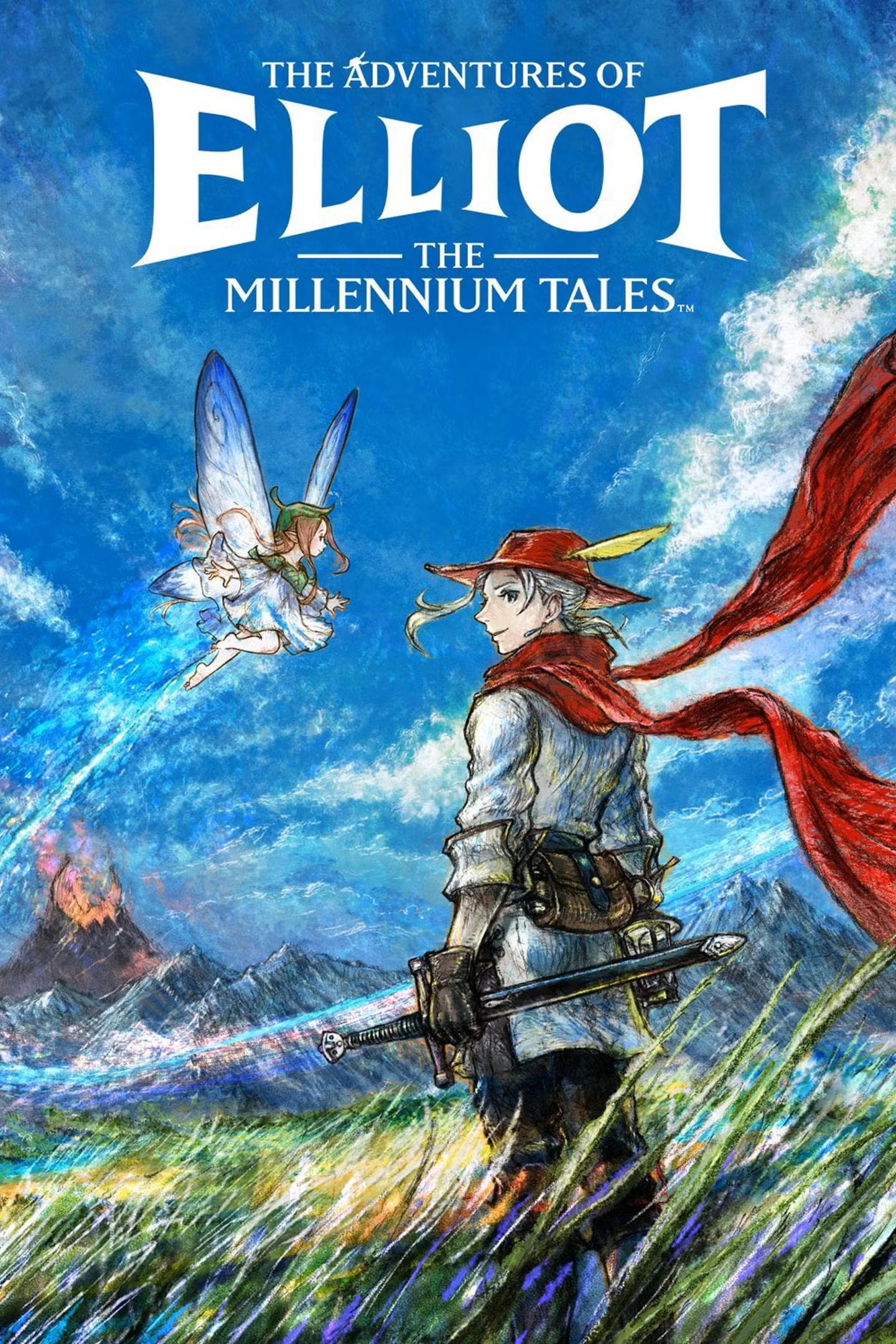
The Adventures of Elliot: The Millennium Tales
Released June 18, 2026
Details
- Developer
- Square Enix
- Platforms
- PCPS5Xbox Series X/SSwitch
- Developer
- Square Enix
- Publisher
- Square Enix
Where to buy
Links may earn Incoming a commission at no extra cost to you.
Gallery (1)
About this release
Square Enix is scheduled to release The Adventures of Elliot: The Millennium Tales on June 18, 2026, across PC, PlayStation 5, Xbox Series X, and Nintendo Switch. The game is both developed and published by Square Enix, placing it squarely within the company's own catalog rather than as a third-party collaboration or licensed property. It falls under the adventure and role-playing game categories, two genres that Square Enix has occupied for decades with varying degrees of commercial and critical attention.
The title itself invites some initial unpacking. "The Adventures of Elliot" positions a named protagonist at the center of the experience — a character-forward framing that differs from the more abstract or world-centric naming conventions the publisher has sometimes favored. The subtitle, "The Millennium Tales," carries the suggestion of scope: stories spanning significant stretches of time, or at least presenting themselves as mythologized, accumulated narrative. Whether that subtitle reflects a structural anthology format, a single continuous story of grand temporal ambition, or simply the kind of evocative subtitle common to RPGs is not yet answerable from what has been announced. What can be said is that the combination of the two phrases — a personal, protagonist-named adventure meeting a subtitle about millennia and tales — positions this as something intended to feel both intimate and expansive simultaneously.
Square Enix's history with the RPG genre is, of course, extensive. The company is responsible for the Final Fantasy series, the Dragon Quest series, and a long catalog of role-playing titles that have helped define what Western and global audiences expect from Japanese-developed RPGs. In recent years the publisher has pursued a wide range of projects across budget scales, from large-scale action RPGs to smaller narrative-driven titles, and has made efforts to maintain presence across all major current-generation platforms. The simultaneous release of The Millennium Tales on Switch alongside PS5 and Xbox Series X suggests the company is pursuing broad reach rather than committing to hardware-specific technical showcasing, which often indicates a design philosophy oriented around accessibility and portability alongside home-console play.
The PC release adds a further dimension. Square Enix has been a consistent presence on PC storefronts for its catalog titles, and a day-and-date PC release alongside consoles signals confidence in that platform as a simultaneous market rather than an afterthought port.
What remains entirely open is the nature of the game's mechanics and tone. The adventure genre label can encompass a wide spectrum — from point-and-click puzzle-solving traditions descended from the earliest graphical adventures, to action-oriented exploration games, to hybrid experiences that blend light combat with heavy narrative branching. Paired with the RPG designation, the combination most commonly suggests something with character progression systems, stat management or skill development of some kind, and a story-forward design. But the precise weight given to combat versus exploration versus dialogue, the perspective from which the player experiences Elliot's world, and whether the game is structured as open-world, linear, or something in between — none of this can be determined from the information currently available.
The protagonist's name, Elliot, is worth noting in the context of Square Enix's broader catalog. The company's most iconic RPG protagonists tend toward either a certain mythic gravity (Cloud, Lightning, Noctis) or deliberate everyman simplicity (depending on the series and its audience). "Elliot" sits in neither of those traditions particularly, carrying an unassuming, somewhat contemporary Western quality. That choice, if intentional in its register, could point toward a more grounded narrative voice or a title aimed at a somewhat different demographic than the company's prestige flagship releases. Alternatively, the name may carry weight within the game's fiction that doesn't translate into the title alone.
The June 2026 release window places the game in a summer slot. Summer releases from major publishers can reflect different strategic calculations depending on the year and competitive landscape — sometimes a quieter commercial window used for mid-tier titles, sometimes a deliberate counter-programming choice against fall release-season crowding. Without more context about Square Enix's 2026 release calendar or the broader competitive field at that date, it would be premature to read much into the June placement.
No Metacritic score exists, as the game has not yet released or been reviewed. The rating field is also unresolved, meaning the final age-classification content has not been publicly confirmed at the time of this writing, leaving some ambiguity about the intended audience age range — though the name and framing carry an adventurous tone that stops short of anything suggesting mature content.
Players who follow Square Enix's output closely, particularly those who engage with the publisher's mid-range and narrative-driven RPG catalog rather than exclusively its blockbuster franchises, are the most obvious audience for this title. The multi-platform release, including Switch, widens the potential reach to players who favor portable or hybrid play sessions. Anyone drawn to character-named adventures with RPG systems and the structural promise of large-scale storytelling — the "tales" of the subtitle doing some real work in setting that expectation — will likely be watching for further details as the June 2026 date approaches.
Comments
Sign in to join the conversation.
Loading…