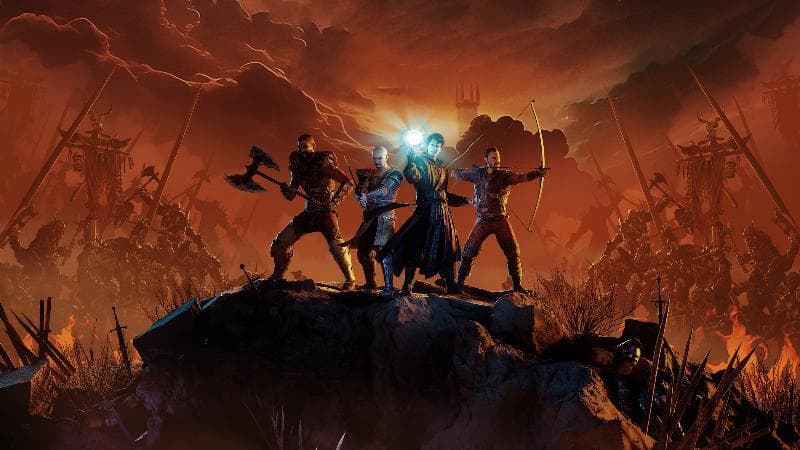
Details
- Developer
- Piranha Bytes
- Platforms
- PCPS5Xbox OnePS4Xbox Series X/S
- Developer
- Piranha Bytes, Alkimia Interactive
- Publisher
- THQ Nordic
- Mood
- atmosphericdark
- Theme
- redemptionsurvival
- For
- adult
- Format
- single player
Rating · Quality score from voters
RAWG
3.5/5
Popularity · Search interest now
Trending
350.0
Based on TMDb activity
Where to buy
Links may earn Incoming a commission at no extra cost to you.
Incoming Editorial TeamVerified
Gothic 1 Remake is a remake of the classic 2001 action role-playing game, releasing on June 5, 2026 for PC, PlayStation 4, PlayStation 5, Xbox One, and Xbox Series X.
Gallery (5)
Key features
- ·Action RPG remake of 2001 original
- ·Available on PC, PS4, PS5, Xbox One, Xbox Series X
- ·Cross-generation console release
- ·Upcoming June 2026 release
FAQ
When does Gothic 1 Remake release?
Gothic 1 Remake releases on June 5, 2026.
What platforms is Gothic 1 Remake available on?
Gothic 1 Remake is available on PC, PlayStation 4, PlayStation 5, Xbox One, and Xbox Series X.
Is Gothic 1 Remake a sequel or a remake?
Gothic 1 Remake is a remake of the original Gothic, an action RPG first released in 2001.
About this release
The Gothic 1 Remake is scheduled for release on June 5, 2026, developed by Piranha Bytes and Alkimia Interactive and published by THQ Nordic across PC, PlayStation 4, PlayStation 5, Xbox One, and Xbox Series X.
The original Gothic, released in 2001 by Piranha Bytes, occupies a particular place in the history of the action role-playing genre — one that its devoted following has tended to describe in terms of atmosphere and systemic depth rather than mainstream accessibility. Set inside a magically sealed prison colony, the game presented a world that felt genuinely indifferent to the player, populated by characters who operated on their own routines and factions that required actual negotiation rather than simple alignment-meter manipulation. It was demanding, somewhat clunky by the standards even of its own era, and became the foundation of a franchise that would stretch across multiple sequels and spin-offs. That it is only now receiving a full remake, a quarter century after its original release, says something about both the difficulty of the undertaking and the persistence of its reputation among a specific constituency of RPG players.
The project carries two developer credits, which is itself worth noting. Piranha Bytes, the original German studio behind the franchise, is listed alongside Alkimia Interactive, a Barcelona-based studio that had been working on this remake for some years under THQ Nordic's umbrella. The presence of both names raises questions about the division of creative responsibility — how much of the original studio's involvement shapes the final product versus the newer team's interpretation of that source material. Remakes of games with strong authorial identities often navigate a tension between fidelity to the original's particular sensibility and the practical need to modernize systems and presentation for contemporary players. Whether the combat, the conversation systems, and the colony's faction dynamics have been rebuilt from scratch, tuned carefully, or left structurally intact beneath updated visuals is not made clear by what has been disclosed.
The genre context is worth considering. The 2020s have seen a wave of high-profile RPG remakes and remasters — some that leaned heavily on graphical upgrades while preserving original mechanics, others that effectively rebuilt games wholesale. Gothic 1 Remake sits in a category where the original's mechanical idiosyncrasies are, for a significant portion of the potential audience, a feature rather than a flaw. The manual combat system, the absence of a traditional quest-marker hand-holding structure, and the persistent NPC schedules were all things that distinguished the original from its contemporaries. How a remake handles those elements will likely define the critical conversation around it more than its visual fidelity.
The multiplatform release strategy — spanning two console generations on both Sony and Microsoft hardware, in addition to PC — suggests THQ Nordic is positioning the title for broad reach rather than targeting only current-generation hardware capabilities. That choice may reflect commercial pragmatism, given the still-substantial installed base of PlayStation 4 and Xbox One owners, or it may indicate something about the technical scope of the project. What it does not tell us is whether there are meaningful differences between the versions or whether the current-generation releases carry any specific enhancements.
The June 2026 release date places the game in a crowded period for the action-RPG calendar, though the specific competitive landscape at that point remains, naturally, subject to change. What is notable is that a June release puts distance between the title and the traditional holiday window, which might indicate confidence in the niche audience's willingness to seek it out on its own merits rather than during a period of intense retail competition.
Several questions remain unanswered by the available information. The extent to which the story and dialogue have been rewritten — or whether the original script has been preserved in translation — matters considerably to the game's identity. Gothic's writing was tonal in a way that resisted easy description: sardonic, occasionally crude, and rooted in a European sensibility that differed from the American RPGs of the same period. A remake that softens or reworks that register would be making a significant editorial decision. Similarly, the question of voice acting — the original English dub has become something of a cult artifact in its own right, deliberately over-the-top in places — is one that fans will want answered before release. None of this is addressed in the available data.
The rating listed, 3.5, appears to represent an audience or user anticipation score rather than a critical assessment, since no Metacritic score exists at this stage. That figure, if taken as a proxy for pre-release enthusiasm, positions the title as moderately anticipated rather than generating exceptional advance interest — which aligns with the reality that Gothic remains a recognizable but not universally known property outside of European RPG communities and the broader action-RPG niche.
Players who came to the genre through the original Gothic or its immediate sequel, and who have followed the franchise's arc through Piranha Bytes' subsequent work, are the most obvious audience. So too are RPG enthusiasts who have developed a taste for older European game design philosophies and want to see what a modernized version of that approach looks like with current production values. What they will actually find on June 5 remains an open question.
Comments
Sign in to join the conversation.
Loading…