Details
- Platforms
- PCmacOS
- Developer
- Alawar Entertainment
- Publisher
- Alawar
- Theme
- dystopian
- For
- indie fans
- Format
- single player
Rating · Quality score from voters
RAWG
3.8/5
Popularity · Search interest now
Trending
375.0
Based on TMDb activity
Where to buy
Links may earn Incoming a commission at no extra cost to you.
Incoming Editorial TeamVerified
Beholder: Conductor is an indie adventure game released on April 23, 2025, for PC and macOS.
Gallery (18)
Key features
- ·Indie adventure genre
- ·Available on PC and macOS
- ·Part of the Beholder franchise
- ·Released April 23, 2025
FAQ
When does Beholder: Conductor release?
Beholder: Conductor released on April 23, 2025. It is available on PC and macOS.
What platforms is Beholder: Conductor available on?
Beholder: Conductor is available on PC and macOS.
What genre is Beholder: Conductor?
Beholder: Conductor is an indie adventure game. It is part of the Beholder series, which is associated with dystopian narrative and decision-driven gameplay.
Is Beholder: Conductor part of a series?
Yes, Beholder: Conductor is part of the Beholder franchise. The series has previously explored themes of authoritarian surveillance and moral choice within a totalitarian setting.
About this release
Beholder: Conductor is scheduled to release on April 23, 2025, for PC and macOS. It arrives as part of the Beholder franchise, a series of indie adventure games that have built a following around surveillance, moral compromise, and life under an authoritarian state.
The original Beholder, released in 2016, placed players in the role of a state-appointed landlord tasked with spying on tenants, filing reports, and navigating the grinding pressures of a totalitarian bureaucracy. The game earned a reputation for its stark moral calculus — every decision carried the weight of consequence, and the fiction of a compliant, law-abiding citizen could collapse at any moment. Beholder 2 shifted the setting from an apartment block to a government ministry, expanding the scope of the surveillance apparatus while keeping the same basic tension between self-preservation and whatever vestige of conscience the player chooses to maintain. The series has occupied a specific niche in the indie space: games that treat oppressive systems not as backdrop but as mechanism, where the gameplay itself enacts the logic of complicity.
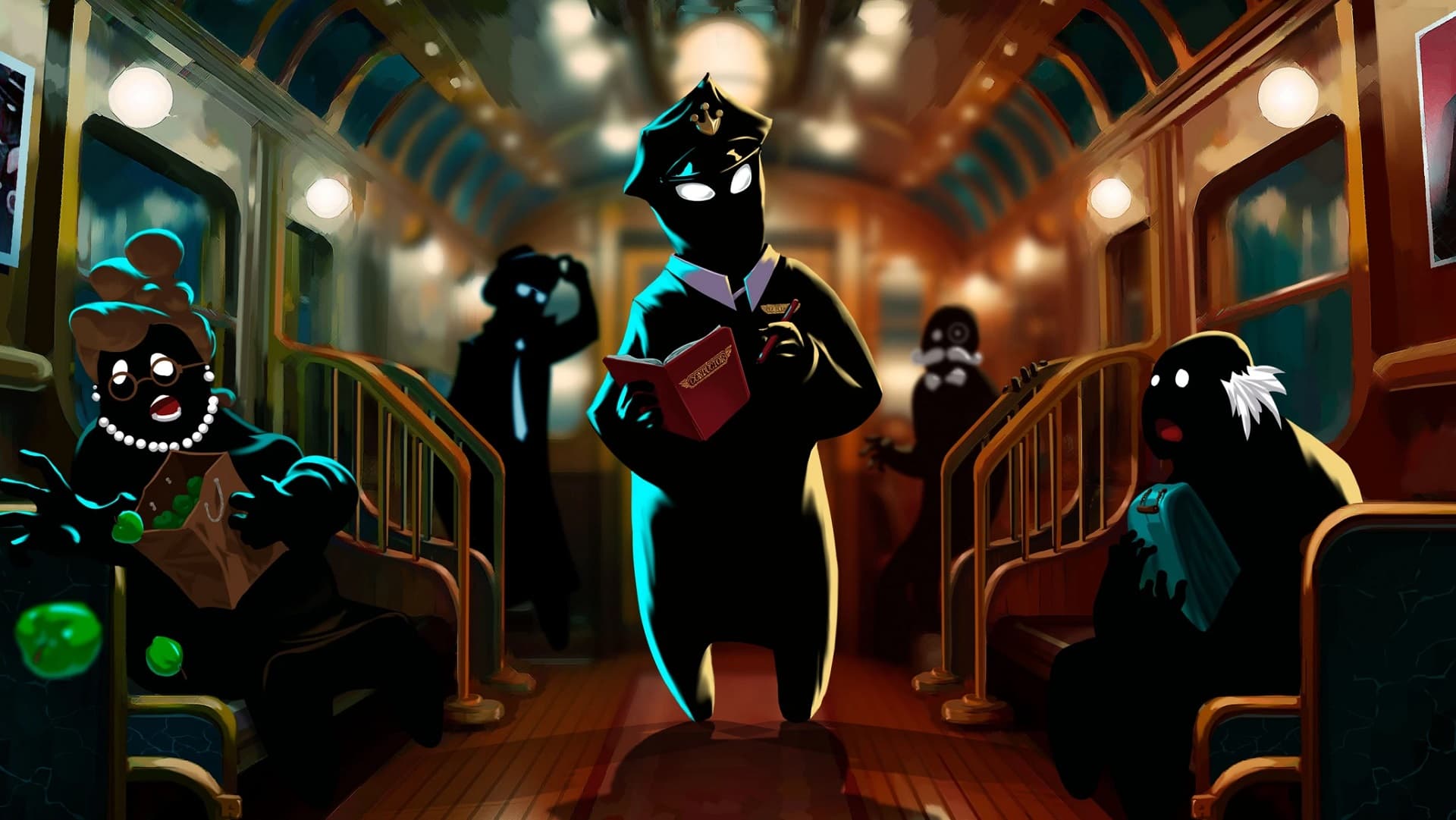
Conductor, the title of this new entry, gestures toward a different kind of institutional role — neither landlord nor mid-level bureaucrat, but something with implications of movement, coordination, transit. Whether that means a literal conductor in a railway or transport context, or whether the word is being used more metaphorically to suggest someone who channels or directs the flow of something — people, information, power — is not made explicit in what has been announced. The franchise's history suggests that whatever the role, it will come with obligations that put the player in an uncomfortable position relative to the people around them.
The game carries a user rating of 3.75 at the time of this writing, though no Metacritic score has been established, which is consistent with a release that has not yet happened and has not yet been reviewed by press. That rating, presumably drawn from early user impressions or wishlist sentiment on a platform like Steam, places it in cautiously positive territory without suggesting any particular groundswell.
What remains genuinely open is how much Conductor departs from the formula the series has established. The Beholder games have been consistent in their aesthetic — a hand-drawn, muted color palette with figures that look slightly gaunt and out of place in their own world — but whether Conductor retains that visual identity, shifts it, or overhauls it entirely is not documented in available materials. The same question applies to the narrative structure. Both previous entries used a fixed cast of characters with branching outcomes, making replay a meaningful proposition rather than a novelty. Whether Conductor maintains that architecture or experiments with something looser is unknown.
The platforms — PC and macOS — continue the series' pattern of prioritizing computer-based play, which suits the games' interface design. The Beholder titles have leaned into menus, documents, dossiers, and management screens in ways that feel native to a keyboard-and-mouse environment. No console version has been announced for launch, which may disappoint players who encountered the series through later ports, but it keeps the release within the franchise's established lane.
One structural question worth noting is the question of tone. The Beholder games have always operated with a certain dark humor underneath their bleakness — the absurdity of the state's demands, the petty venality of neighbors and colleagues, the gap between the regime's official language and the actual texture of daily life. That combination of the grim and the sardonic is not easy to sustain across multiple entries, and there are only so many ways to reframe the same essential predicament before the franchise risks repetition. Conductor, by apparently repositioning the player in a new institutional context, may be the developers' answer to that problem, or it may simply be a reskin of familiar dynamics. Nothing announced so far resolves that question.
The genre classification — indie adventure — is broad enough to encompass almost anything, but within the Beholder lineage it points toward something specific: a game driven more by narrative decision-making and resource management than by reflex or combat. Players who gravitate toward this series tend to be comfortable with ambiguity, with games that don't resolve cleanly into good endings, and with fiction that treats political systems as something to be inhabited rather than merely defeated. Conductor is likely to attract that same constituency, along with anyone who found the earlier entries compelling but lost track of the franchise in the years since.
For returning players, the main question is whether Conductor deepens the franchise's preoccupations or simply repeats them with new set dressing. For newcomers, the April 23 release offers an entry point into a series that has, across two prior games, maintained a consistent and somewhat unusual perspective on what games can do with the experience of living inside a system designed to make you do things you might otherwise resist.
Comments
Sign in to join the conversation.
Loading…