Where to buy
Links may earn Incoming a commission at no extra cost to you.
Gallery (5)
About this release
Assassin's Creed Black Flag Resynced, developed by Ubisoft Montpellier and Ubisoft Shanghai and published by Ubisoft Entertainment, is scheduled for release on July 9, 2026, for PC, PlayStation 5, and Xbox Series X.
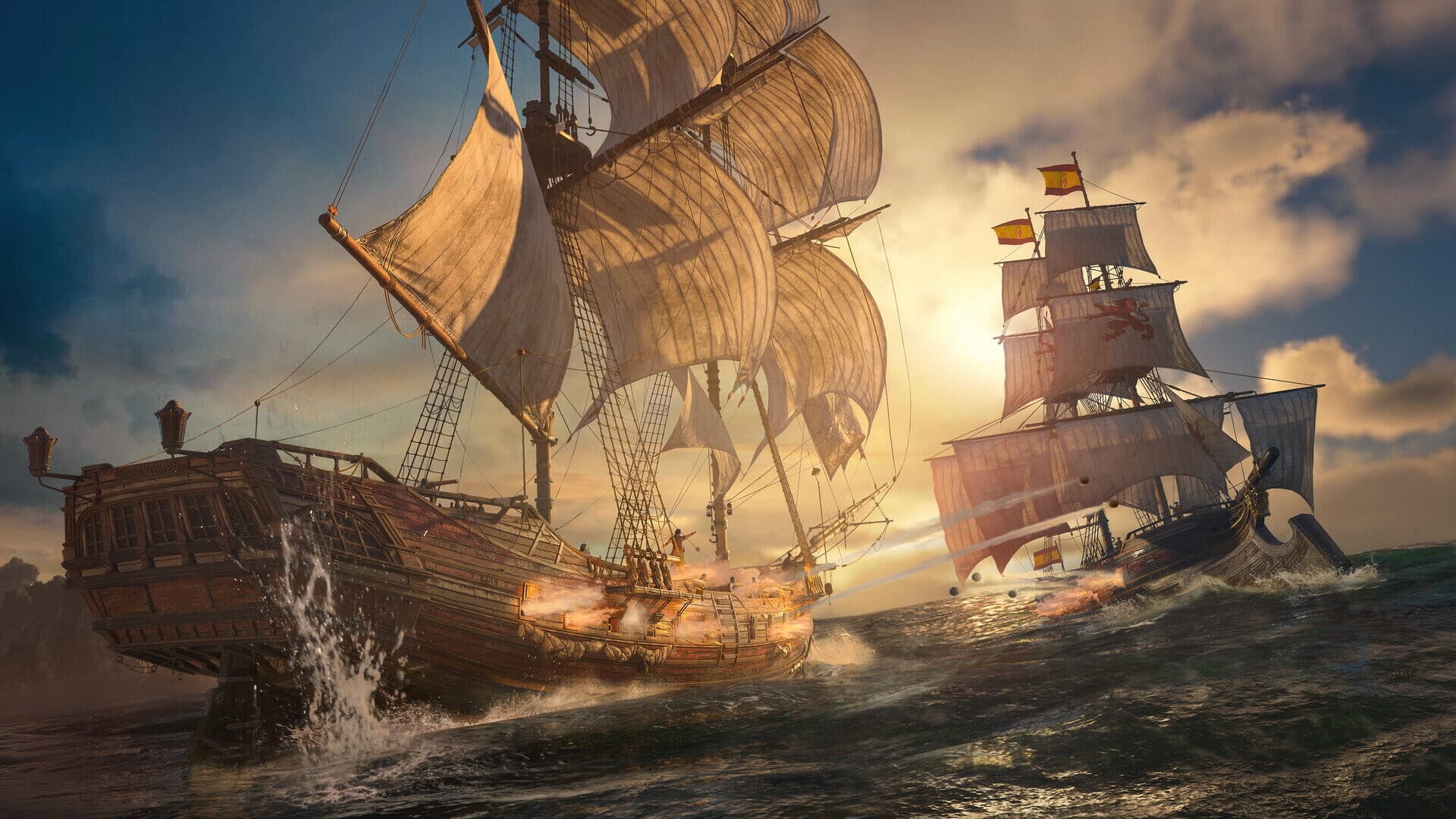
The original Assassin's Creed IV: Black Flag arrived in 2013, developed by Ubisoft Montreal, and occupied an unusual position within the long-running Assassin's Creed franchise. Where its predecessors leaned heavily into the dense urban architecture and political intrigue that had come to define the series, Black Flag pivoted toward open ocean navigation, naval combat, and a Caribbean setting that drew as much from pirate mythology as it did from the series' trademark historical conspiracy framework. Its protagonist, Edward Kenway, was a pirate who stumbled into the Assassin Brotherhood rather than one shaped by it from the beginning — a distinction that gave the game a looser, more freewheeling quality compared to entries on either side of it. The original released to considerable commercial and critical success, and it has maintained a persistent reputation among franchise followers as one of the more tonally distinct entries in the catalog.
Resynced arrives more than a decade after that release, repositioning the title for current-generation hardware under what appears to be a remaster or remake framing, though the precise nature and scope of the work involved is not fully detailed in available materials. What is clear is that Ubisoft Montpellier and Ubisoft Shanghai are handling development rather than Ubisoft Montreal, which led the original. Ubisoft Montpellier has a history within the broader Ubisoft portfolio that includes work across various projects, while Ubisoft Shanghai has contributed to Assassin's Creed productions in supporting capacities over the years. Having two studios jointly credited on a project of this kind is not unusual for Ubisoft's internal structure, but the specific division of responsibilities between Montpellier and Shanghai on Resynced has not been publicly clarified.
The title itself — Resynced — is a piece of in-universe vocabulary, borrowing terminology from the Animus, the fictional memory-reconstruction device that has served as the franchise's framing conceit since its first entry. In the series' logic, "synchronization" refers to how accurately a player's actions align with the historical memory being relived. Naming a rerelease after that process is a deliberate, if fairly contained, piece of brand continuity rather than a reinvention of the product's identity.
Several questions remain open as the July 2026 release approaches. The most fundamental is what "Resynced" actually constitutes in technical terms. The gap between a remaster — which typically involves upscaled resolution, improved frame rates, and modernized rendering — and a remake, which implies rebuilt geometry, reworked systems, and potentially altered or expanded content, is commercially and experientially significant. Nothing in the available information settles that distinction. Players who encountered the original will want to know whether Resynced represents a cleaned-up port optimized for PlayStation 5 and Xbox Series X capabilities, or something more substantially reconstructed. The absence of a Metacritic score or rating at this stage is simply a function of timing, but the lack of disclosed specifics about what has been changed or rebuilt is a more telling gap.
The game's genre classification as action and adventure places it within the broad category that has always housed the Assassin's Creed series, though Black Flag's naval emphasis historically made it something of a hybrid — part open-world nautical experience, part land-based stealth and combat title. Whether Resynced preserves that balance, adjusts it, or expands on either component is unknown. The franchise has shifted considerably in the years since 2013, moving through the action-RPG overhauls of Origins, Odyssey, and Valhalla before the more recent Mirage represented a partial return to the series' earlier, more contained sensibilities. Where Resynced positions itself in relation to that evolution — whether it simply restores what existed or attempts any reconciliation with where the franchise has since traveled — is not addressed in available materials.
A July release date also places Resynced in a summer window that has historically been somewhat quieter than the autumn period that dominates major game launches. Whether that timing reflects a deliberate targeting of summer audiences, a production schedule that landed there naturally, or a strategic positioning against a lighter competitive slate is not something the available data speaks to.
There is also the question of pricing and whether the release will treat the original's downloadable content — which was substantial, including the standalone Freedom Cry expansion centered on Adewale — as included content, sold separately, or restructured in some form. No information on that front has been made available.
The audience most likely to seek out Resynced breaks into two reasonably distinct groups. The first is the existing Assassin's Creed following, particularly those who played the original in 2013 or in the years since and retain enough affection for Edward Kenway's Caribbean adventure to want to revisit it on current hardware with whatever improvements the rerelease offers. The second is players who came to the franchise during the RPG era or more recently and have not encountered the pre-Origins titles; for that audience, Resynced represents a point of entry into a structurally and tonally different kind of Assassin's Creed than the one they know. Whether the release does enough to bridge those two audiences — or serves one more fully than the other — will depend entirely on what Ubisoft Montpellier and Ubisoft Shanghai have actually built, which remains to be seen before July 9, 2026.
Comments
Sign in to join the conversation.
Loading…