
Lisa is the Thai-born main dancer and rapper of BLACKPINK, one of the biggest K-pop groups in history. She moved to Seoul at 14 to train under YG Entertainment, debuted with BLACKPINK in 2016, and spent the next several years becoming one of the most recognizable faces in global pop music. In 2024, when her individual contract with YG ended, she founded her own label, LLOUD, signed with RCA Records, and began building a solo career from scratch. The result was Alter Ego, her debut album, a Coachella set, an acting role in HBO's The White Lotus, and a level of personal visibility she had not had since she was a teenager in a training system that told her exactly who she was supposed to be.
Always Lalisa is the documentary that covers that year. It has its world premiere at the Toronto International Film Festival on September 11, and I have spent the past 24 hours reading everything that has already come out of the press screenings. The reviews and interviews that ran this week, including a September 3 feature in the Toronto Star with director Sue Kim, have given me more than enough to understand what kind of film this is going to be. I did not expect to feel the way I do about it before the premiere. But here I am.
I want to be upfront about what this piece is: it is not a full review. It is me processing what the film apparently shows before I have actually seen it, and trying to explain why I think it matters in a way that goes beyond the usual K-pop documentary framing. Because if what is being reported from those screenings is accurate, Always Lalisa is not a tribute film. It is something more uncomfortable and more honest than that.
What the Documentary Covers
The 97-minute film follows a year in Lisa's life as she launches her solo career through LLOUD, her own label, after parting ways with YG Entertainment for individual activities while remaining a member of BLACKPINK. Director Sue Kim, who previously made The Last of the Sea Women for Apple TV+ (winner of the NETPAC Prize at TIFF 2024), was given access across what turned out to be one of the most publicly visible periods of Lisa's career: the release of her debut solo album Alter Ego in 2025, her Coachella set, her acting debut as Mook in HBO's The White Lotus Season 3, and her return to Thailand to spend time with family and childhood friends.
On paper, that is a lot of wins. A K-pop idol goes solo, releases a critically received album, plays Coachella, lands a prestige acting role, and reconnects with home. You could make a very feel-good documentary out of that raw material. From what I understand of what Sue Kim chose to do with it, she did not.
Who Sue Kim Is and Why That Matters
I had followed The Last of the Sea Women closely enough to understand that Sue Kim is not a director who makes her subjects comfortable by letting them manage their own image. Her previous film was a portrait of haenyeo, the free divers of Jeju Island, and it worked precisely because she refused to let the story stay picturesque. She stayed in the discomfort.
That approach, applied to one of the most guarded subjects in global entertainment, is why I think Always Lalisa is going to be genuinely difficult to watch in the best possible way. Lisa spent years inside an entertainment system that was designed to prevent exactly the kind of visibility this film provides. A skilled documentary director with the access and the intention to actually use it is a rare combination.
"I Used to Not Dare to Speak Up"
The detail from the press coverage that has been circulating most widely is a scene in the film where Lisa is shown watching footage from her monthly evaluation sessions as a YG trainee. She cries.
She moved to Korea from Thailand in April 2011, when she was 14 years old. She was the first non-ethnic Korean trainee YG had ever accepted, selected from an audition process that drew roughly 4,000 participants in Thailand. For the next five years and three months, her life was structured entirely around the requirements of the training system: monthly evaluations, recorded footage of those evaluations, judgments delivered by the label on whether she was improving, whether she was worth continuing to invest in.
According to reporting from the Toronto Star, Lisa says in the documentary: "I finally get to live my own life. I used to not dare to speak up or express my own thoughts, and I've been like that since I was 14."
I keep coming back to that phrasing. Not since I debuted. Not since I became famous. Since she was 14. The suppression did not begin with BLACKPINK's success in 2016. It began the moment she entered the training system at an age when most people have not yet figured out who they are. The film apparently makes visible what that cost, and watching her cry over footage of herself as a teenager being evaluated is the kind of image that cannot be managed after the fact.
The Relationships She Hid
The section of the press coverage that has generated the most conversation is about Lisa's personal life during her time as a BLACKPINK member.
K-pop idol contracts have historically included what the industry calls image management provisions, which in practice often means restrictions on publicly visible romantic relationships. The logic, as understood by the industry, is that a perceived romantic attachment reduces the parasocial investment of a fanbase whose economic value depends partly on imagining access and closeness to the idol. This is not a secret exactly, but it is also not something that is usually stated plainly by the people who lived under those restrictions.
Always Lalisa apparently states it plainly.
Lisa discusses having kept relationships private during her time with BLACKPINK, specifically to protect the group's reputation and the expectations placed on all four members. She is not asking for sympathy in the way that framing makes it sound. She is explaining, with apparent clarity, the terms under which she operated for a decade.
The detail that makes this concrete is the song "Dream" from Alter Ego, her debut album. "Dream" is a ballad, the thirteenth track on the record, written in part by Lisa herself. It addresses an ex, an imagined reunion, the weight of a relationship that ended. The short film she released for it in August 2025, starring Japanese actor Kentaro Sakaguchi, is five minutes of spare, black-and-white imagery that captured something I found hard to explain at the time.
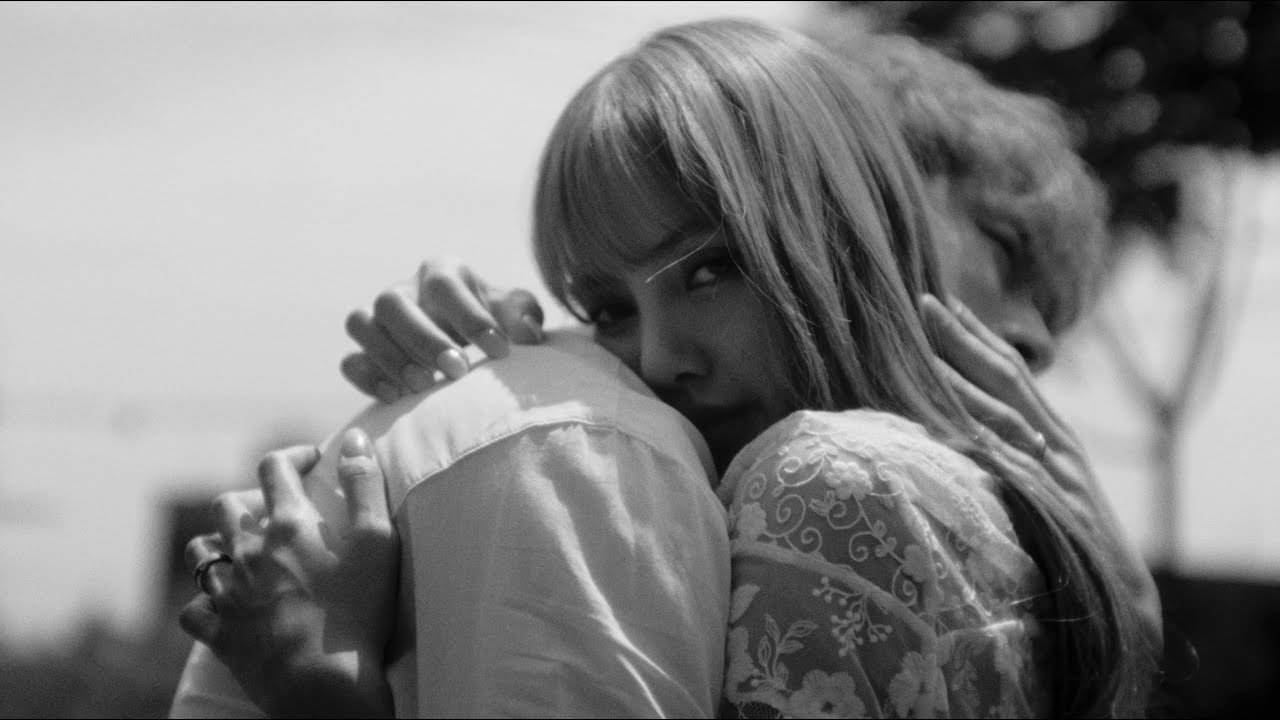
The documentary apparently reveals that "Dream" was written about a real relationship that Lisa had during her years with BLACKPINK, one that she kept hidden because the alternative was making it public while everything about their public lives was controlled. She describes getting permission from the person before releasing the song, with a condition attached: that the person's identity remain private. The song exists because the relationship was real, and the relationship was hidden because the system required it to be.
I am trying to think about what it is like to carry a song like that and not be able to explain where it came from. To release it into the world and watch people write about the imagery, about Kentaro Sakaguchi, about the cinematography, without being able to say: this is about someone specific, someone I cared about, someone I kept out of your field of vision for years because that is what was asked of me. Always Lalisa is, among other things, the film that gets to say that out loud.
The Comments She Was Shown
The hardest section to read about from the press coverage is the one where director Sue Kim shows Lisa real hate comments directed at her.
Lisa has always been a specific target of a particular kind of racism within K-pop fan spaces. As the only Thai member of BLACKPINK and the group's main dancer, she was held to a standard that had a double edge: expected to carry a significant portion of the group's performance weight while also being the member whose presence some corners of the fandom treated as least belonging. The documentary apparently confronts this directly, with Sue Kim showing Lisa actual comments from online spaces and letting the camera stay on her while she reads them. Press coverage of the screenings describes the scene as one of the film's most difficult to watch.
I do not know exactly what Lisa says in response in the film; the full documentary has not yet been widely seen. What the coverage makes clear is that the scene exists and that the film does not look away from it. A decade of that kind of targeted cruelty, accumulated, directed at a person who was also not allowed to respond in kind because her public image was managed for maximum commercial viability, is a specific kind of weight.
What the film apparently does is make that weight visible rather than assemble it into something inspiring. Lisa survived it and is thriving, but the documentary seems less interested in the thriving than in the fact that the surviving was necessary in the first place.
What I Think the Documentary Is Actually Doing
I have watched a lot of music documentaries over the past ten years, and the dominant mode is the one where the subject eventually triumphs and the hardship serves the triumph. The structure is: here is how difficult it was, here is how they got through it, here is where they are now. The difficulty exists to be overcome, and the overcoming is the point.
From everything that has come out of the Always Lalisa press screenings, Sue Kim has made something with a different relationship to that structure. The trainee footage, the hidden relationships, the hate comments: none of these are presented as obstacles that Lisa defeated on the way to Coachella. They are presented as parts of a story that she was not previously in a position to tell. The documentary is not about overcoming. It is about finally being able to say what was actually happening.
That is a harder film to make and a harder film to watch. It is also, I think, the only version of this film worth making.
When You Can See It
Always Lalisa has its world premiere at the Toronto International Film Festival on September 11, 2026. The theatrical and IMAX release begins October 12, 2026 worldwide. Tickets go on sale September 9 via the participating cinema websites. After the theatrical run, the film will stream exclusively on YouTube Premium; an exact streaming date has not been confirmed.
FAQ
Who directed Always Lalisa? Sue Kim, who previously directed The Last of the Sea Women for Apple TV+ (winner of the NETPAC Prize at TIFF 2024). She had extensive access to Lisa across a year of filming.
When does Always Lalisa come out? The world premiere is at the Toronto International Film Festival on September 11, 2026. The global theatrical and IMAX release is October 12, 2026. It will stream on YouTube Premium after the cinema run, with the streaming date still to be confirmed.
Is Always Lalisa available to stream? Not yet. It releases in IMAX and cinemas worldwide on October 12, 2026, and will stream on YouTube Premium at a later date.
What does Always Lalisa cover? The 97-minute documentary follows a year in Lisa's solo career: the release of her debut album Alter Ego, her Coachella performance, her acting debut in HBO's The White Lotus Season 3, and her return to Thailand. It also covers the personal history she was not able to discuss publicly as a BLACKPINK member.
What is Lisa's relationship to "Dream"? "Dream," the thirteenth track on Alter Ego, was written about a real relationship Lisa maintained privately during her time with BLACKPINK. The documentary reveals the song's origin and the circumstances that required the relationship to stay hidden.
Did Lisa have to hide relationships during BLACKPINK? According to reporting from press screenings of Always Lalisa, Lisa discusses keeping relationships private during her time with BLACKPINK to protect the group's image. The documentary addresses this directly.
Always Lalisa premieres at TIFF September 11 and opens in theaters worldwide October 12, 2026. Tracking release dates and streaming arrivals at incoming.to.